

Water Regulations set the safety and quality rules that protect water used in daily life and industrial systems. They influence how equipment is designed, built, and maintained, especially when water is stored, heated, treated, or circulated under pressure. Following these rules reduces contamination risk, supports public health, and keeps industrial operations reliable. RedRiver LLC builds compliant pressure vessels and related systems that help clients meet Water Regulations without creating unnecessary complexity.
Why Water Regulations Matter for Modern Industry
The regulations are what protect the quality and safety of the water that we consume daily, for industrial uses as well as public consumption. At Red River, we recognize the importance of these regulations, especially in relation to pressure vessel design and manufacturing for various industries. Whether it is oil and gas, power production, or public works, there’s no compromise in operating within these water safety standards.
What are Water Regulations?
Water regulations comprise the rules and standards that ensure water remains safe for human consumption as well as industrial use. It addresses critical issues related to contamination, pollution, and proper treatment of wastewaters. For a firm like ours, water regulation govern the storage, process, and treatment of water, particularly in relation to pressure vessels manufactured by us for their application in water systems.
Why Water Regulations Become Important for Public Safety
Those regulations for the regulation of water cannot be overstated. It prevents contamination, minimizes the danger of waterborne diseases, and even protects aquatic ecosystems from industrial pollutants. For Red River, meeting the requirements set forth in these regulations for our pressure vessels is virtually doing our own little share to keep both the public and our environment safe. Poor compliance manifests into potential health hazards and costly legal ramifications for the industries.
How Does It Help in Safeguarding Our Water Supply?
Water regulations are designed to limit contaminants, regulate industrial effluent discharges, and ensure treated water is of an acceptable quality prior to its entry into public distribution. Red River proudly constructs high-quality pressure vessels that meet or exceed compliance requirements so that water quality is preserved during industrial processes.
The Five Key Issues the Water Regulations Are Addressed To
Water regulation is crucial in conserving public health as well as the environment. Below are the five key issues that the water regulations try to avoid:
Prevention of Water Contamination
One of the primary goals of water regulation is to prevent dangerous pollutants from entering water sources. Regardless of whether these are industrial wastes, agricultural runoff, or chemical spills, regulations provide assurance that there will be no pollutants in water that would bring harm to the health of humans and the environment.
Reducing Risk to Waterborne Diseases
Waterborne diseases like cholera and typhoid have dire public health implications. Rules governing the use of water ensure proper sanitation practices and treatment processes, thus reducing the spread of these diseases by ensuring the water is pure and clean for drinking.
Protection from Harm to Aquatic Ecosystems
Industrial effluents and untreated waste can cause extreme damage to aquatic habitats. Regulations control pollution, ensuring hazardous materials do not enter water bodies and harm ecosystems.
Preventing Industrial Water Pollution
Industrial activities are one of the primary causes of water pollution. Regulation determines the amount and nature of pollutants water sources can accommodate, thus protecting the environment and the public water supply system.
Safe Drinking Water Standards
Water regulations demand strict standards for drinking water quality. Such standards have prevented the intake of contaminated water, ensured constant water quality, and maintained the health and well-being of communities.
How Do Water Regulations Benefit Industries and Communities?
Water regulation benefit not only public health but also industries. Their observance enables companies to act responsibly while still providing the community with resources for sustainable use.
Industrial Compliance with Water Quality Regulations
Compliance with water quality regulations supports the legitimacy of industries’ operations and saves them from heavy penalties or litigation. Companies minimize environmental impacts, use water efficiently, and avoid costly contamination issues. When manufacturers like Red River adhere to these standards, it means that the industrial-pressure vessels we supply will be part of a responsible supply chain supporting water safety and sustainability.
Safeguarding Public Health Through Effective Water Management
Strict water regulation benefits communities directly by governing proper water treatments and storage, decreasing harmful contaminants in public water systems. This prevents diseases and ensures clean drinking water for a healthier community.
Water Regulations Support Safe Water and Safe Systems
Water Regulations protect water quality while shaping how industrial systems are designed and maintained. For any operation that stores or processes water under pressure, compliance depends on safe vessel construction, code-aligned fabrication, and consistent inspection. When Water Regulations are integrated early, systems last longer, operate more safely, and reduce the chance of contamination or failure. RedRiver LLC helps clients meet Water Regulations by building pressure vessels and fabricated systems that match real service needs and recognized safety requirements.
Need a reliable partner?
Red River specializes in the design and manufacturing of pressure vessels. We also fabricate related items such as prefabricated spools and skid packages.
Reach Out to us today and experience the Red River difference. Where American Made and American Values come together, we care more.
FAQs
1. How do Water Regulations affect pressure vessel design?
Water Regulations require vessels to avoid contamination risk, resist corrosion, and maintain integrity under pressure. This influences material selection, surface finishes, fabrication methods, and inspection planning.
2. What are the safety standards for pressure vessels used with water?
Pressure vessels used in water service must meet recognized safety standards that define allowable stress, construction rules, testing, and documentation. These standards ensure safe pressure containment without harming water quality.
3. What is ASME code for pressure vessel safety in water systems?
ASME code provides construction and testing rules for pressure vessels, including wall thickness, welding requirements, and inspection levels. Water-service vessels often rely on these rules to meet structural safety expectations.
4. How do pressure vessels comply with safety regulations over time?
Compliance is maintained through correct design, coded fabrication, proper testing, and ongoing inspection. Records and trend monitoring help verify that the vessel remains safe during its service life.
5. How often do pressure vessels need to be inspected for water service?
Inspection frequency depends on service severity, corrosion risk, and regulatory expectations. High-risk or variable services typically require more frequent inspection than stable, low-risk applications.
6. How to inspect a pressure vessel supporting a water process?
Inspection should include visual review, thickness measurement, weld checks, nozzle evaluation, and internal condition monitoring. Findings should be documented and compared to past results.
7. What to include in a pressure vessel inspection checklist for water systems?
A checklist should cover surface condition, thickness readings, weld integrity, nozzle and connection checks, deposit or scaling review, operating history, and full documentation of results.
Key Takeaways
- Water Regulations protect water quality and require safe, corrosion-resistant equipment.
- Pressure vessels in water service must follow Pressure Vessel Safety Standards and Compliance.
- ASME construction rules support safe design that aligns with Water Regulations.
- Pressure Vessel Inspection and Maintenance keeps systems compliant over their lifespan.
- RedRiver LLC builds water-service vessels and fabricated systems that support reliable compliance.
Related Blog Post
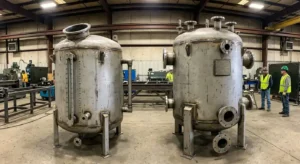
Condensate Tanks: Types, Fabrication, and ASME Code
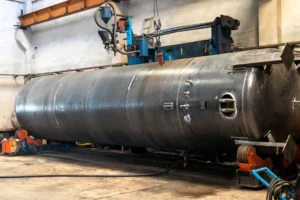
Which Tests Validate Deaeration in Pressure Systems?
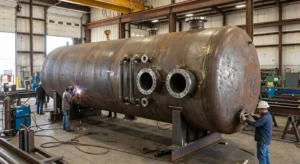
Equalization Tanks: Design, Sizing, and Fabrication
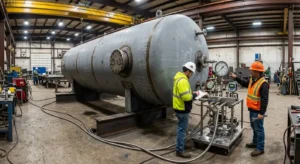
What Are Thermal Storage Testing Standards for TES Vessels?
What Hydro Tests Are Required for Pressure Vessels?
- Regulation 5 for private water supplies: What Owners and Operators Need to Know
- Compliance with Regulation 4 for ASME Pressure Vessels: What It Means for Safe, Reliable Operations
- EU Water Regulations: Key Directives and Industrial Impact
- What Are WRAS Water Regulations? Compliance & Safety Guide
- Understanding Water Level Control Systems
- Understanding EPA Standards | Red River Compliance
About Author



