Properly washing molecular sieves is critical to maintaining their adsorption efficiency and extending their lifespan. RedRiver LLC emphasizes best practices in cleaning, regenerating, and inspecting these vital components. Ignoring proper maintenance can result in equipment failure and costly downtime. This blog outlines key steps and tips to help ensure your sieves stay in peak condition.
The Importance of Properly Washing Molecular Sieves
Proper washing and renovation are essential for retaining the efficiency and durability of your molecular sieves. At Red River, we recognize the vital role molecular sieves play in industries like oil and gas, power generation, and chemical processing. Keeping these components clean and functioning optimally ensures your operations run smoothly.
What Are Molecular Sieves and Their Applications?
Molecular sieves are adsorbent materials that split molecules based on size and polarity. They play a critical role in drying gases and liquids, purifying chemicals, and separating hydrocarbons. Preserving these sieves helps businesses avoid costly disruptions and maintain efficient operations. At Red River, we work closely with clients across various industries to maximize the performance of their molecular sieves.
Why Regular Cleaning of Molecular Sieves Is Crucial
Molecular sieves often accumulate impurities and residual materials, which significantly reduce their effectiveness. Regular cleaning prevents blockages, degradation, and eventual failure. With proper cleaning, molecular sieves maintain their key functions, such as moisture removal and gas purification, ensuring top-quality performance.
The Impact of Contaminants on Molecular Sieve Performance
Contaminants silently disrupt the performance of molecular sieves. Even small amounts of impurities can reduce adsorption capacity, increase pressure drop, and cause mechanical damage. Ignoring these issues can lead to costly unplanned shutdowns and operational inefficiencies.
Step-by way of-Step Guide to Washing Molecular Sieves
Preparing Your Molecular Sieves for Cleaning
Before beginning the cleansing system, it’s critical to put together your molecular sieves well. Start with the aid of making sure that the sieves are completely freed from any last procedure cloth. This regularly entails purging the device with dry, inert gasoline to remove moisture and residual chemicals. Once cleared, carefully get rid of the sieves from their housing, taking care to avoid any infection.
Best Practices for Washing Molecular Sieves
When it involves washing molecular sieves, consistency is prime. Use a mild, non-corrosive solvent to soak the sieves, lightly agitating them to dislodge any trapped particles. Rinse very well with distilled water to do away with any remaining contaminants. After rinsing, it’s critical to dry the sieves using a controlled heating manner to keep away from thermal surprise.
Common Mistakes to Avoid During the Cleaning Process
Avoid the usage of harsh chemical compounds or abrasive substances that may harm the sieves’ shape. Skipping the drying segment or the use of wrong drying techniques can result in moisture retention, lowering the sieves’ effectiveness. Lastly, make certain that the sieves are reinstalled efficiently to preserve machine integrity.
Regeneration and Maintenance of Molecular Sieves
How to Regenerate Molecular Sieves After Washing
After washing your molecular sieves, regeneration is the next vital step. Begin by way of heating the sieves to a special temperature, typically between 200°C and 300°C, depending on the form of the sieve and contaminants. This technique drives off any absorbed moisture and other impurities, restoring the sieves to their premier adsorption capability. Ensure that the heating is achieved regularly to keep away from thermal surprise, which can damage the sieves.
Tips for Extending the Lifespan of Molecular Sieves
To maximize the lifespan of your molecular sieves, regular monitoring and maintenance are key. Avoid exposing them to excessive tiers of moisture or competitive chemical compounds that could reduce their effectiveness. Implement a consistent cleaning and regeneration schedule based on the operational situations and utilization frequency. Using defensive measures, consisting of pre-filters, can also help minimize contamination and extend their service life.
When to Replace Your Molecular Sieves
Despite fine efforts, there comes a time whilst molecular sieves need to be replaced. Signs include decreased adsorption capability, physical degradation, or an inability to regenerate efficiently. Regular overall performance checks will assist you decide when it’s time for a replacement, making sure that your operations continue to be efficient and uninterrupted.
Need a reliable partner?
Red River specializes in the design and manufacturing of pressure vessels. We also fabricate related items such as prefabricated spools and skid packages.
Reach Out to us today and experience the Red River difference. Where American Made and American Values come together, we care more.
Properly Washing Molecular Sieves
Properly washing molecular sieves is more than a routine task—it’s a crucial part of ensuring system efficiency and safety. RedRiver LLC brings unmatched expertise to support your maintenance efforts, helping extend equipment lifespan and maintain high operational standards.
Frequently Asked Questions
1. How frequently should molecular sieves be cleaned and regenerated?
Cleaning and regeneration depend on usage and contamination levels. Monitor performance and schedule accordingly.
2. Can molecular sieves be regenerated without removing them?
Yes, some systems allow in-situ regeneration using heat and inert gas. Suitability depends on your system design.
3. What are the signs that molecular sieves need to be replaced?
Watch for reduced adsorption, physical damage, or failure to regenerate effectively.
4. Are different molecular sieves cleaned differently?
Yes. Types like 3A, 4A, 5A, and 13X have specific requirements. Always follow guidelines for each type.
5. What precautions should be taken during cleaning?
Wear gloves, avoid contamination, and use gradual heating during regeneration. Store properly if not used immediately.
6. How to inspect a pressure vessel?
Use visual inspection, pressure testing, and non-destructive methods to assess condition.
7. What is included in a pressure vessel inspection checklist?
Check welds, pressure relief valves, and structural integrity. Ensure documentation is current.
8. How often do pressure vessels need inspection?
Follow ASME standards and inspect based on usage and environmental conditions.
9. What are the safety standards for pressure vessels?
ASME BPVC sets construction and maintenance standards to ensure safe operation.
10. How do pressure vessels comply with safety regulations?
Through regular certified inspections and adherence to design codes.
Key Takeaways
- Proper cleaning and regeneration improve molecular sieve lifespan
- Contaminants reduce adsorption efficiency and increase pressure drop
- Follow ASME codes for pressure vessel safety and compliance
- Routine inspections prevent costly failures
- RedRiver LLC supports top-tier maintenance and design solutions
Related Blog Post
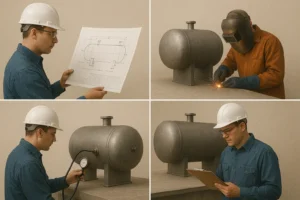
Pressure Vessel Design & Engineering: Concept to Launch
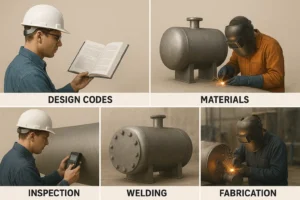
What is Pressure Vessel Design and Engineering: Code-Ready Guide
What are the Key Factors in Pressure Vessel Engineering
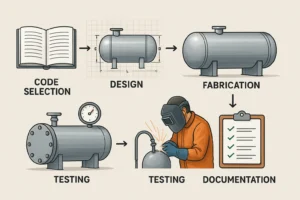
How Do You Design a Pressure Vessel: A Step-By-Step Guide
What is Pressure Vessel Fabrication and Manufacturing
No subpillar set for this blog post.
About Author