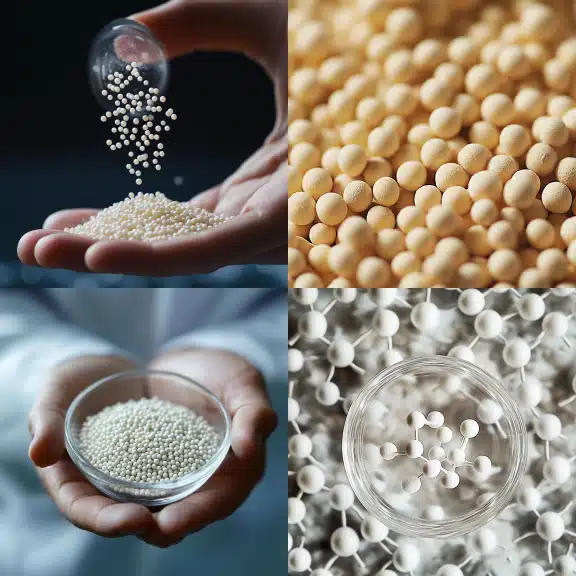
Molecular sieves are powerful materials designed to absorb water with extreme precision. These crystalline substances are essential across multiple industries for moisture control, offering a higher level of adsorption than traditional drying agents. Their performance, longevity, and regeneration capabilities make them a preferred choice in gas and liquid dehydration. RedRiver LLC provides high-quality systems integrating molecular sieves for efficient, compliant operation.
What Are Molecular Sieves and How Do They Work?
When it comes to ensuring the performance and safety of your operations, knowing the tools at your disposal is crucial. One such essential device is the molecular sieve, widely used across various industries. But what exactly are molecular sieves, and how do they function? At Red River, we’ll guide you through the science, applications, and benefits of using molecular sieves, particularly in water absorption strategies. Let’s break it down.
The Science Behind Molecular Sieves
Molecular sieves are crystalline materials with tiny, uniform pores that selectively filter substances. These pores attract and separate specific molecules by size and shape, making them invaluable in processes requiring high precision. The most common type, zeolite, is a synthetic or natural aluminosilicate that excels at absorbing water due to its precise pore structure. In water absorption, molecular sieves efficiently capture moisture, much like sponges, ensuring superior performance.
But their capabilities go beyond just water absorption. Molecular sieves eliminate moisture from gases and beverages, helping operations stay dry and free from unwanted humidity. This dehydration process is critical in industries like, where even minimal water content can trigger severe operational challenges. Learn more about their applications in water knockout systems.
Types of Molecular Sieves and Their Applications
Not all molecular sieves are created equal. Each type is designed to meet specific needs, ensuring you have the right tool for the job. For example:
- 3A Molecular Sieves: Perfect for removing water from ethanol, fuel streams, and insulating glass devices. These sieves trap water while allowing larger molecules to pass through.
- 4A Molecular Sieves: Frequently used to dry natural gas and air, these sieves effectively manage moisture to prevent corrosion and freezing. Learn more about 4A molecular sieves.
- 5A Molecular Sieves: Renowned for capturing larger molecules like carbon dioxide and hydrocarbons, making them ideal for applications in oil refining and petrochemical industries.
Why Molecular Sieves Are Effective in Water Absorption
What makes molecular sieves so efficient at absorbing water? Their ability to selectively attract water molecules while leaving other materials unaffected. This targeted absorption eliminates moisture without compromising the integrity of sensitive materials. Whether you’re working with delicate electronics, pharmaceuticals, or complex industrial processes, molecular sieves and water removal are a perfect match.
It’s not just about the technology it’s about the results. At Red River, we understand that the effectiveness of molecular sieves in water absorption can make or break your operation. That’s why we provide top-tier products and support, helping you optimize your processes while maintaining the highest standards of safety and performance. For a deeper dive into molecular sieve design, see our molecular sieve device guide.
How Molecular Sieves Absorb Water: A Detailed Process
Understanding how molecular sieves absorb water is crucial for industries that require moisture-free environments. The process begins with the molecular sieve’s unique structure, which features tiny, uniform pores. These pores are designed to attract water molecules while allowing larger molecules to pass, making molecular sieves highly effective in water absorption.
The Mechanism of Water Absorption in Molecular Sieves
The secret to water absorption lies in the sieve’s crystalline structure. As water molecules encounter the sieve, they are drawn into its pores through adsorption a process where molecules adhere to the material’s surface. This mechanism ensures efficient removal of water, whether in fuel or liquid form. Explore more in our guide on understanding molecular sieves and their role.
Factors That Affect Water Absorption Efficiency
Several factors, including pore size, temperature, and pressure, impact the efficiency of water absorption. The type of sieve material also plays a role, with certain materials better suited for specific applications. Optimizing these conditions significantly improves the performance of the sieves. For related industrial process insights, see how a glycol system works.
Comparing Molecular Sieves with Other Moisture Control Methods
Compared to other moisture control options like silica gel or activated alumina, molecular sieves offer superior efficiency and precision. Their ability to target and remove water molecules makes them the preferred choice for industries where even minimal moisture poses a risk, ensuring reliability and consistency. For alternatives, review our most efficient desiccant options.
Benefits of Using Molecular Sieves for Water Absorption
Molecular sieves are indispensable in various industries due to their unmatched capacity for water absorption. Beyond moisture control, they enhance both operational reliability and cost-effectiveness, making them a vital tool in maintaining high-performance standards.
Industrial Applications of Molecular Sieves
Industries like oil and gas, pharmaceuticals, and chemical production heavily rely on molecular sieves for moisture management. These sieves play a vital role in preventing pipeline corrosion and freezing in natural gas processing. In pharmaceuticals, they maintain the stability of moisture-sensitive compounds. Their versatility makes them essential across a wide range of industrial applications.
How Molecular Sieves Improve Process Efficiency
By effectively removing water, molecular sieves help industrial processes operate smoothly and efficiently. Their selective adsorption reduces the risk of equipment failure and contamination, minimizing downtime and maintenance costs. This enhanced efficiency leads to more reliable operations and improved productivity, keeping your processes running without interruptions.
Cost-Effectiveness and Longevity of Molecular Sieves
Molecular sieves offer more than just efficiency they deliver excellent value. Their long lifespan and ability to be regenerated multiple times result in ongoing savings with minimal replacement costs. Compared to other moisture control methods, molecular sieves provide a higher return on investment, making them an ideal choice for industries focused on long-term savings and operational efficiency. For details, see are molecular sieves reusable.
Choosing the Right Molecular Sieve for Your Needs
Selecting the right molecular sieve ensures optimal water absorption and seamless operations. With various options available, understanding how to choose the best sieve for your specific application is key to maximizing performance and cost-effectiveness.
Selecting the Proper Pore Size
The pore size of a molecular sieve determines its ability to selectively absorb certain molecules while allowing others to pass. For water absorption, commonly used pore sizes are 3A, 4A, and 5A. The 3A molecular sieve excels at removing water from ethanol and gasoline streams, preventing the absorption of larger molecules. The 4A sieve is versatile, frequently used for drying natural gas, air, and solvents, making it ideal for various moisture management needs. The 5A sieve, with its larger pores, effectively removes moisture and captures larger molecules like carbon dioxide, making it suitable for more complex industrial processes.
Best Practices for Using Molecular Sieves in Water Removal
To maximize the performance of your molecular sieves, it’s crucial to follow best practices. Optimize operating conditions such as temperature, pressure, and flow rates for the specific sieve in use. Regular maintenance, including periodic regeneration, will sustain their effectiveness and extend their lifespan. Proper storage and handling also prevent premature degradation, ensuring your molecular sieves deliver consistent, reliable performance. Learn more about desiccant-driven humidity control.
Molecular Sieves Water Absorption
Molecular sieves water absorption plays a critical role in moisture-sensitive processes. Their ability to adsorb water efficiently, coupled with high durability and reusability, makes them essential in industrial moisture management. RedRiver LLC designs and integrates systems built around molecular sieves to deliver maximum performance, safety, and regulatory alignment.
Partner with Red River for Reliable Molecular Sieve Solutions
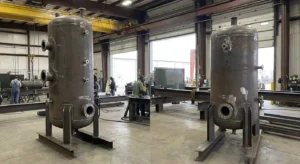
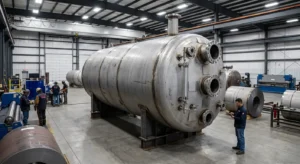
Maximize efficiency, safety, and moisture control in your operations with RedRiver LLC. Our expertly engineered systems integrate high-quality molecular sieves designed for long-lasting performance, precise water absorption, and seamless regeneration. From pressure vessels to complete skid packages, we provide solutions tailored to your industrial needs.
Get in touch today to see how Red River can enhance your process reliability and operational success. Experience American-made quality built on expertise and values you can trust.
Frequently Asked Questions
1. How long do molecular sieves last before needing replacement?
They can last for several years with proper regeneration and maintenance, depending on application and environmental conditions.
2. What is the difference between molecular sieves and other drying agents?
Molecular sieves have uniform pore sizes, offering more precise adsorption compared to silica gel or activated alumina.
3. Can molecular sieves remove water from both liquids and gases?
Yes, molecular sieves are effective for removing water from solvents, fuels, air, and natural gas.
4. How does the regeneration process work for molecular sieves?
Regeneration involves heating or purging to release adsorbed water, restoring adsorption capacity for reuse.
5. What are signs that molecular sieves need regeneration or replacement?
Decreased performance, increased moisture output, and physical degradation indicate the need for action.
Key Takeaways
- Molecular sieves offer high-precision water absorption
- Ideal for moisture control in industrial processes
- Regenerable for long-term use and lower costs
- Support pressure vessel safety and compliance
- RedRiver LLC provides engineered systems for optimal performance
Related Blog Post
Which Materials Suit Make-Up Water Service?
How Big Should Make-Up Water Tanks Be?
Make-Up Water Tanks: Design, Sizing, and Fabrication
When to Spec Equalization Tanks for Industrial Systems
How Do Equalization Tanks Balance Flow?
No subpillar set for this blog post.
About Author