
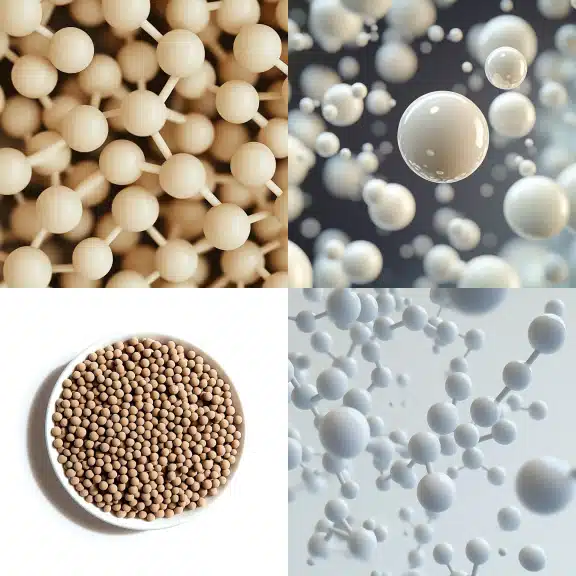
Molecular sieves are powerful filtration tools used across industries like oil & gas and pharmaceuticals for precise moisture and impurity removal. They’re effective but come with downsides: high regeneration costs, sensitivity to contaminants, and environmental concerns. Alternatives like activated alumina or membrane systems may offer lower-cost, lower-maintenance solutions depending on your application.
Understanding Molecular Sieves
Understanding molecular sieves is crucial for industries that require precise separation processes. Molecular sieves play a pivotal role in optimizing operations and reducing inefficiencies across multiple industrial applications. Their ability to selectively capture molecules based on size and structure makes them a powerful tool in modern processing systems. For a deeper technical overview, you can also explore how sieving works in industrial systems in this guide on the basic function of a sieve.
What Are Molecular Sieves?
Molecular sieves are synthetic or natural materials with tiny, uniform pores that can selectively adsorb molecules based on size. This unique property makes molecular sieves indispensable for processes that require precise molecular separation. Whether you’re managing gas purification, drying, or chemical processing, molecular sieves offer exceptional utility.
Unlike ordinary filtration materials, molecular sieves rely on adsorption rather than simple mechanical filtration. Molecules that fit into the microscopic pores are trapped, while larger molecules pass through. This mechanism makes them extremely effective for removing water vapor, carbon dioxide, and other contaminants from gases and liquids. If you want to explore how adsorption works in industrial filtration systems, this resource on adsorption in industrial applications provides helpful insights.
Molecular sieves help filter impurities, ensuring the final product’s purity and efficiency. They are commonly used as desiccants, catalysts, and purification agents across several industries.
Common Uses of Molecular Sieves in Industry
Molecular sieves are utilized across numerous industries due to their reliability and precision. In oil and gas operations, molecular sieves serve as drying agents for gases and liquids, preventing moisture from compromising product quality or causing pipeline corrosion. These drying systems are commonly part of larger separation and filtration processes similar to those explained in coalescing and desiccant filtration systems.
In power generation facilities, molecular sieves safeguard turbines, compressors, and other sensitive equipment by eliminating moisture that could cause corrosion or operational failures. In chemical manufacturing, molecular sieves often function as catalysts or catalyst supports, helping accelerate chemical reactions while reducing unwanted byproducts.
They are also widely used in solvent drying, refrigeration systems, and compressed air systems. To learn more about the specific types and properties used in industrial drying systems, you can review this overview of molecular sieve desiccants.
Why Are Molecular Sieves Popular?
Molecular sieves’ widespread use is attributed to their effectiveness, precision, and durability in demanding industrial environments. They can operate under extreme temperatures and pressures while maintaining consistent adsorption performance.
Another reason for their popularity is their ability to be regenerated. After becoming saturated with moisture or contaminants, molecular sieves can often be restored through controlled heating. This regeneration process extends their usability, although it requires proper procedures such as those outlined in this guide on how to dry molecular sieves.
Additionally, molecular sieves are highly customizable. Different pore sizes and compositions allow engineers to tailor them for specific industrial tasks, making them versatile tools across multiple sectors including petrochemicals, pharmaceuticals, and energy production.
The Drawbacks of Molecular Sieves in Industrial Applications
Limited Lifespan and Durability Concerns
One significant downside of molecular sieves is their limited lifespan. Over time, molecular sieves’ filtering efficiency diminishes, necessitating frequent replacements. This degradation of molecular sieves can disrupt operations and increase maintenance costs.
High Cost of Regeneration and Replacement
Regenerating molecular sieves often requires high temperatures and precise conditions, which can be expensive. Moreover, molecular sieves replacement involves downtime, adding to operational expenses.
Sensitivity to Contaminants and Fouling
Molecular sieves are particularly vulnerable to fouling from oils, particulates, and impurities. This sensitivity reduces molecular sieves’ effectiveness and demands frequent maintenance, especially in harsh industrial environments.
Environmental and Safety Issues
Using molecular sieves may lead to environmental challenges. Improper disposal of spent molecular sieves can cause environmental contamination. Compliance with molecular sieves regulations adds another layer of complexity and cost.
Alternatives to Molecular Sieves: What Are Your Options?
Comparing Molecular Sieves to Activated Alumina
Activated alumina is a viable alternative to molecular sieves, particularly in scenarios where moisture control is crucial. Unlike molecular sieves, activated alumina is less sensitive to contaminants and requires less frequent regeneration. This makes activated alumina a more cost-effective option than molecular sieves in some applications.
When to Consider Alternative Filtration Technologies
If the limitations of molecular sieves, such as high maintenance costs and sensitivity to fouling, are becoming a burden, it may be time to explore other technologies. Options like activated carbon, silica gel, or advanced membrane systems offer potential benefits depending on specific industrial needs. Evaluating these alternatives can lead to more sustainable and efficient operations.
Need a Reliable Engineering Partner?
Red River designs and manufactures high-quality pressure vessels, along with prefabricated spools and skid packages built for demanding industrial applications.
Contact Red River today to learn how our engineering expertise can support your next project.
Frequently Asked Questions
1. How do molecular sieves examine other desiccants in moisture control?
Molecular sieves are extremely effective in moisture control due to their uniform pore size, which allows molecular sieves to selectively adsorb water molecules even at low humidity levels.
2. Can molecular sieves be used in meals and pharmaceutical industries?
Yes, molecular sieves are extensively used in the food and pharmaceutical industries due to their capacity to create a dry surrounding and remove moisture that would smash products or affect their balance. However, there are some considerations to keep in thoughts. For instance, the regeneration procedure for molecular sieves can contain high temperatures, which might not be suitable for all packages. Additionally, the cost of the use of molecular sieves in those industries may be higher than different alternatives, so it is crucial to weigh the benefits in opposition to the capacity downsides, such as value and sensitivity to contamination.
3. What are the environmental influences of using molecular sieves?
The environmental impacts of molecular sieves in most cases stem from their regeneration and disposal strategies. Regeneration regularly requires high strength intake, which can contribute to carbon emissions. Additionally, if molecular sieves are not disposed of properly after their beneficial existence, they could probably launch harmful chemical substances into the surroundings. Some newer technology intends to limit these environmental effects, however, it’s crucial to observe proper disposal protocols and take into account the lifecycle of molecular sieves while evaluating their ordinary environmental footprint.
4. How does the value of molecular sieves compare to other filtration technologies?
Molecular sieves tend to be greater pricey than other filtration technology, which includes activated carbon or silica gel, due to their high performance and precision. The fees associated with molecular sieves include not only the preliminary purchase but also the continued costs of regeneration and ability replacement because of their shorter lifespan. In contrast, alternatives like activated alumina or membrane filtration may also provide a higher cost-gain ratio in specific programs where absolute precision isn’t always as important. When choosing a filtration era, it’s critical to recollect each of the premature fees and the lengthy-term operational fees.
5. Are there any emerging technologies that could replace molecular sieves in commercial applications?
Yes, numerous emerging technologies could function as options for molecular sieves. For instance, advanced membrane filtration is gaining traction in industries that require specific separation and filtration. These membranes can be engineered to selectively filter out particular molecules, much like molecular sieves, however, they often have the benefit of longer service life and lower sensitivity to contaminants. Additionally, hybrid structures that integrate multiple filtration technologies, consisting of membranes with activated carbon, are being evolved to offer more efficient and value-effective answers. As those technologies develop, they will offer possible alternatives to molecular sieves in diverse commercial packages.
Key Takeaways
- Molecular sieves are critical for precise separation and moisture control in industrial processes.
- Their uniform pore size makes them ideal for filtering out specific molecules, especially water.
- Common industries using them include oil & gas, power generation, and pharmaceuticals.
- Major drawbacks include short lifespan, high regeneration costs, and vulnerability to fouling.
- Environmental and disposal concerns must be managed carefully to avoid contamination.
- Alternatives like activated alumina, silica gel, or membrane systems may offer better cost-efficiency or lower maintenance in certain cases.
- Emerging technologies are beginning to challenge molecular sieves with more sustainable, adaptable solutions.
Related Blog Post
Can Condensate Storage Improve Reliability?
Where Do Condensate Tanks Fit in a Steam System?
Which Nozzles Simplify Maintenance on Pressure Vessels?
How to Vent Condensate Tanks in Steam Systems
How Do Baffle Layouts Affect Stratification in TES Tanks?
About Author



