
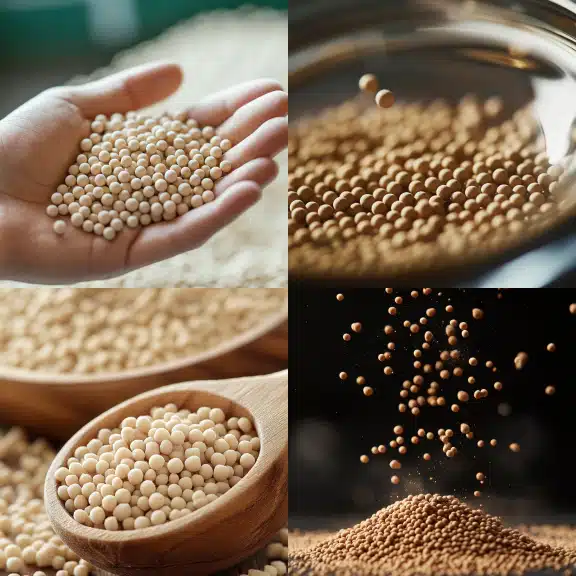
Molecular sieves are porous materials used in the food industry to control moisture and gases, helping to extend shelf life and maintain product quality. They outperform traditional desiccants due to their precision, safety, and compliance with FDA/USDA standards. Ideal for packaging and processing, food-grade sieves reduce spoilage, prevent contamination, and support sustainability by cutting food waste.
What Are Molecular Sieves and Their Role in Food Safety?
When it comes to ensuring safe and high-quality food products, molecular sieves play a crucial role. These highly porous materials absorb moisture and gases, making them essential in various industrial applications. But how do molecular sieves contribute to food safety? The answer lies in their unique design and function. Specifically, they selectively capture harmful molecules while allowing others to pass, maintaining food dryness and extending shelf life.
Common Uses of Molecular Sieves within the Food Industry
Molecular sieves serve multiple purposes in the food industry, from packaging to processing. One of their primary uses is in food packaging, where they protect products from moisture and spoilage. Additionally, molecular sieves help maintain a moisture-free environment in food processing, preventing mold and bacteria growth. Their widespread use ensures the durability and quality of a wide range of food products. You can explore more about their applications in Where Are Molecular Sieves Used? Understanding Their Applications and Benefits.
How Molecular Sieves Work to Preserve Food
How do molecular sieves protect food? These materials capture water molecules and other unwanted substances that could compromise food quality. As a result, they play a critical role in food preservation, where moisture control is essential. Are molecular sieves food-grade? Indeed, high-quality molecular sieves designed for food applications meet strict safety standards, ensuring safe, direct contact with food. Thus, your food remains clean and free from harmful contaminants.
Safety Considerations for Using Molecular Sieves in Food Applications
Food-Grade Molecular Sieves: What You Need to Know
When it comes to food packaging, the quality of the materials matters. To this end, food-grade molecular sieves are specifically designed to meet stringent safety standards in the food industry. They are made from substances that are effective in moisture absorption and safe for direct contact with food. By choosing food-grade options, you ensure your food stays safe without introducing harmful elements.Learn more about food-safe desiccants.
Regulatory Standards and Compliance
Regulatory compliance is essential. Agencies like the FDA and USDA enforce guidelines covering the materials used, production methods, and allowable contact with food. At Red River, all products meet or exceed these standards, offering peace of mind. For insight into compliance with industrial standards, see Understanding ASME Standards for Pressure Vessels.
Potential Risks and How They Are Mitigated
Using non-food-grade molecular sieves can lead to contamination and exposure to harmful materials. To avoid these risks, always choose high-quality, food-grade sieves from trusted providers. For guidance on proper handling and reuse, see Are Molecular Sieves Reusable? Understanding Reusability and Efficiency.
Why Choose Molecular Sieves for Food Storage and Preservation?
Advantages Of Traditional Preservation Methods
Molecular sieves offer significant advantages over conventional preservation methods. Unlike other desiccants, they capture water and other molecules with high precision, ensuring food remains dry and free from spoilage. Moreover, they perform effectively across various temperatures, making them versatile for various storage environments. This precision gives them an edge over alternatives like silica gel or activated charcoal.
Real-World Examples and Case Studies
Many food producers have extended product shelf life by switching to molecular sieves, reducing waste and increasing customer satisfaction. Their consistent performance highlights reliability in food preservation. Learn more about practical molecular sieve applications in Unleashing the Power of Molecular Sieves: Essential Tools for Moisture Control and Gas Purification.
Partner with Red River for Safe, Efficient Food Preservation
Ensure your products stay fresh, safe, and compliant by choosing high-quality, food-grade molecular sieves from Red River. Our expertise in moisture control and food-safe materials means less spoilage, longer shelf life, and peace of mind for your brand.
Contact us today to explore solutions tailored to your food packaging and processing needs, and experience the Red River difference where American quality and values come together.
Frequently Asked Questions
1. What are molecular sieves fabricated from, and are they secure for food programs?
Molecular sieves are normally made from substances like zeolites, which can be microporous, aluminosilicate minerals. These substances are recognized for their potential to selectively entice molecules based totally on size and shape, making them fantastically powerful in moisture and gas absorption. For food programs, it’s essential to apply food-grade molecular sieves, which can be manufactured under strict tips to ensure they do not leach dangerous materials into food. The production technique for food-grade sieves involves rigorous trying out and compliance with industry requirements to ensure they’re secure for direct touch with food merchandise.
2. How do molecular sieves examine other moisture control methods in food protection?
Molecular sieves are greater green and selective in comparison to conventional moisture management methods like silica gel or activated carbon. While silica gel absorbs moisture, it does so much less selectively, doubtlessly permitting different undesirable substances to stay. Molecular sieves, on the other hand, are designed to target and lure particular molecules, inclusive of water, with high precision. This specificity not only makes them more effective at controlling moisture but additionally guarantees that they do not interact negatively with food merchandise. Their capability to characterize effectively throughout various temperatures further units them aside from different methods.
3. Can molecular sieves be reused in food programs, or are they single-use?
While some molecular sieves may be regenerated and reused in certain industrial packages, this is typically now not encouraged for food programs. The regeneration technique usually includes heating the sieves to high temperatures to pressure off the absorbed moisture. However, in food settings, it’s important to ensure that the sieves stay sterile and free from infection. Therefore, using molecular sieves as a single-use object in food programs is the safest exercise to maintain the integrity and protection of the food products.
4. Are there any unique food merchandise that advantages more from using molecular sieves?
Molecular sieves are mainly beneficial for food merchandise which might be notably sensitive to moisture, along with dried results, powdered milk, espresso, spices, and certain meat merchandise. These ingredients are at risk of spoilage or degradation while exposed to even small quantities of moisture. By incorporating molecular sieves into the packaging or storage process, the moisture tiers may be tightly managed, extending the shelf lifestyles and keeping the satisfaction of food. This is specifically critical for merchandise that is exported or stored for lengthy durations, in which constant first-rate is vital.
5. How does the usage of molecular sieves affect the environmental sustainability of food packaging?
Molecular sieves contribute undoubtedly to the environmental sustainability of food packaging in numerous methods. First, with the aid of successfully controlling moisture and increasing the shelf lifestyles of food merchandise, they help lessen food waste, which is a full-size environmental issue. Longer shelf existence means fewer merchandise are discarded because of spoilage, which in turn reduces the overall call for food manufacturing and its related environmental effect. Additionally, molecular sieves themselves are made from herbal materials like zeolites, which can be plentiful and environmentally pleasant. Although the sieves are normally unmarried-use in food applications, their small size and effectiveness suggest that much less packaging cloth overall is required to achieve the identical stage of protection, further reducing the environmental effect.
Key Takeaways
- Molecular sieves are highly porous materials that selectively absorb moisture and gases, making them vital for food safety and shelf life extension.
- They are widely used in food packaging and processing to prevent mold, spoilage, and bacterial growth.
- Only food-grade molecular sieves should be used, as they meet stringent FDA and USDA regulations for safety and quality.
- Compared to silica gel or activated carbon, molecular sieves offer greater precision and efficiency across various temperatures.
Related Blog Post
Which Materials Suit Make-Up Water Service?
How Big Should Make-Up Water Tanks Be?
Make-Up Water Tanks: Design, Sizing, and Fabrication
When to Spec Equalization Tanks for Industrial Systems
How Do Equalization Tanks Balance Flow?
About Author



