
A diesel pressure vessel separator removes water, debris, and impurities from diesel fuel by using pressure, baffles, and filters inside a sealed chamber. This process ensures cleaner fuel, extends engine life, and supports reliable industrial operations.
Understanding How Does a Diesel Pressure Vessel Separator Work
If you are curious about how does a diesel pressure vessel separator work and improving diesel fuel filtration by removing water and contaminants, a diesel pressure vessel separator is the specialized system you need. It keeps water, sediment, and other impurities out of your diesel supply, providing cleaner fuel that reduces equipment wear and lowers the risk of engine issues such as corrosion or blockages. Explore Red River’s capabilities in fuel handling and separation.
A pressure vessel separator typically uses an enclosed chamber built to specific pressure requirements. Diesel passes through internal baffles or coalescing filters, allowing water droplets and solids to settle for removal. Many industries rely on this industrial fuel water separator vessel to maintain performance, especially where diesel reliability is critical.
How It Differs From Simpler Filters
You might be familiar with smaller, in-line filters. They are helpful for basic filtration, but they often lack the efficiency and capacity of a pressure vessel system. A diesel pressure vessel filter separator is built to handle larger volumes of fluid, maintain consistent operating pressure, and collect higher amounts of water without constant intervention. It also operates well under demanding conditions, especially in places where fuel contamination risks are high.
Why Pressure Is So Important
Pressure ensures smooth diesel flow and minimal turbulence. Proper flow prevents tiny water droplets from remaining suspended, allowing the separation elements to capture contaminants more effectively. Many vessels are ASME-certified to safely withstand necessary operating pressures.
Discover Core Design Elements
When you explore a diesel pressure vessel separator, you will notice several key components that work together for reliable operation and effective diesel fuel filtration. From robust shell construction to specialized drains, each part plays a role in removing water and reducing the chance of equipment failure.
Vessel Shell and Baffles
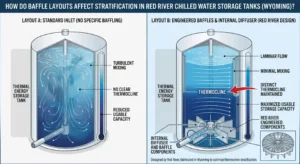
The shell forms the main body of the separator, thick enough to withstand high pressure. Internal baffles redirect fluid flow, helping water droplets and solids settle at the bottom. Learn more about pressure vessel fabrication at Red River.
Coalescing Filters and Demisters
Some separators include coalescing filters or demisters that combine small water droplets into larger ones for easier removal while trapping debris like rust or sediment. Explore solutions for specialized filtration that enhance diesel quality.
Drain and Collection Points
Once water settles, it collects at the bottom and can be drained without stopping the overall process. This ensures minimal downtime and prevents re-contamination. Red River offers modular skid systems that integrate these features efficiently.
Pressure Gauges and Safety Accessories
Monitoring pressures is essential for optimal performance. Most separators include gauges and safety valves to release excess pressure, preventing damage and maintaining efficiency. See our pressure vessel safety solutions.
Focus on Prefabrication Advantages
Prefabrication has become a popular approach for manufacturing separators, skids, and similar equipment. At Red River, a leading provider of custom prefabricated modules and ASME pressure vessel separator solutions, prefabrication is carried out in a controlled environment that leads to several benefits when you need a reliable fuel water separator.
Controlled Environment For Higher Quality
By assembling modules indoors, you avoid many onsite construction challenges, such as unpredictable weather or piecemeal part deliveries. According to Red River’s experience, prefabricating piping packages in a single, climate-controlled facility leads to fewer errors and improved consistency. This means you get a separator that has passed meticulous testing and inspection before it reaches your facility.
Fewer Onsite Complications
When large portions of the separator are delivered as a complete module, you do not have to juggle multiple contractors or worry about scheduling difficulties on the job site. Prefabrication aims to minimize on-location welding and fabrication, which in turn reduces the risk of accidents and lowers insurance costs. With a diesel separator built and tested ahead of time, you also cut down on installation time, letting you focus on operation and maintenance rather than extended construction.
Cost Savings Without Sacrificing Performance
Because prefabrication efficiently coordinates materials and labor, you generally see lower overall expenses. There is less waste, fewer shipping inefficiencies, and more thorough quality checks before a product ships out. For a high-stakes application like diesel fuel separation, these savings matter, especially if you operate multiple units or run a large, continuous process that depends on clean fuel. With an industrial fuel water separator vessel built off-site, you know it will arrive ready to install and operate according to your exact specifications.
Industries Relying on Diesel Separation
Diesel pressure vessel separators are indispensable in various sectors. They can protect generators, power machinery, and ensure smooth engine performance in commercial and industrial plants. By removing water from your fuel supply, you extend the lifespan of expensive equipment.
Power Generation
Diesel quality is critical for generators and large-scale power plants. Contaminated fuel can corrode parts and lead to downtime. Red River provides custom-engineered vessels for these applications.
Construction and Heavy Machinery
Heavy-duty equipment requires continuous diesel flow. Using a fuel water separator vessel ensures site operations remain uninterrupted.
Marine Operations
Marine engines face constant moisture intrusion. Robust separators protect propulsion systems and reduce maintenance. Learn about marine fuel filtration solutions.
Oil and Gas Production
The oil and gas sector handles multiple fuel types and fluid mixtures. Multi-phase diesel separators maintain fuel quality and improve storage and transport efficiency.
How Does a Diesel Pressure Vessel Separator Work in Practice
Diesel flows through a controlled, enclosed vessel where water and debris settle or coalesce for removal. Prefabricated separators provide consistent quality, reduce complications, and save costs over time. Discover Red River’s ASME pressure vessel solutions for reliable operation.
Ready to Protect Your Diesel Systems?
Invest in a reliable diesel pressure vessel separator to keep your engines running smoothly. Contact Red River today to explore prefabricated ASME-certified solutions tailored to your needs.
Frequently Asked Questions
1. What is a diesel pressure vessel filter separator?
A diesel pressure vessel filter separator is a specialized filtration unit designed to remove water, dirt, and other contaminants from diesel fuel under pressure. Built as a pressure-rated vessel, it ensures reliable operation in demanding environments like power plants, marine systems, and industrial fuel handling facilities, helping to protect engines and equipment from premature wear or failure.
2. Why use a diesel fuel water separator vessel?
Using a diesel fuel water separator vessel prevents corrosion, injector failure, microbial growth, and ensures fuel efficiency.
3. Can I combine this vessel with other filtration steps?
Yes. Many operators choose multiple stages of filtration. For instance, using a fuel filter vessel water separator in tandem with a polishing loop or additional coalescing filter can further refine diesel fuel for sensitive equipment.
4. Does it help with regulatory compliance?
In many industries, ensuring clean fuel is critical for meeting safety and environmental standards. A diesel pressure vessel separator that follows codes such as ASME can bolster compliance and reduce the chance of fines or violations.
5. How do I size the vessel for my operation?
You should review your flow rates, pressure requirements, and expected contaminant levels. Manufacturers like Red River can tailor the vessel size, materials, and internals to match your diesel flow capacity and any special water-removal needs.
6. Are there different types of diesel pressure vessel separators?
Yes. Variations exist in size, shape (horizontal or vertical), and internal features. Some designs include two-phase or three-phase separation to accommodate diverse mixtures of fluids and gases. If your application is unique, a custom vessel can be designed.
7. Who builds these separators?
Companies with ASME accreditation and prefabrication capabilities, such as Red River, can design, build, and deliver these vessels. They handle tasks like welding, assembly, and testing within a controlled environment to ensure consistent quality before shipment.
Key Takeaway
- Proper streamlining of diesel flow and pressure helps capture water effectively.
- Internal baffles, coalescing filters, and drains work together to remove contaminants.
- Prefabrication simplifies installation, reduces downtime, and enhances quality control.
- Many industries, from power generation to marine, rely on these separation systems to protect equipment.
- Regular maintenance and an ASME-compliant design boost reliability and longevity.
Related Blog Post
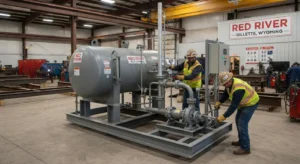
Can Condensate Storage Improve Reliability?
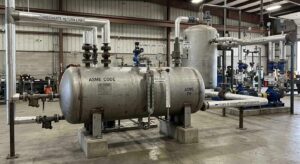
Where Do Condensate Tanks Fit in a Steam System?
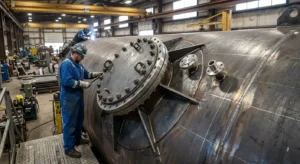
Which Nozzles Simplify Maintenance on Pressure Vessels?
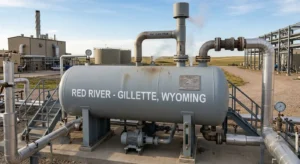
How to Vent Condensate Tanks in Steam Systems
How Do Baffle Layouts Affect Stratification in TES Tanks?
About Author



