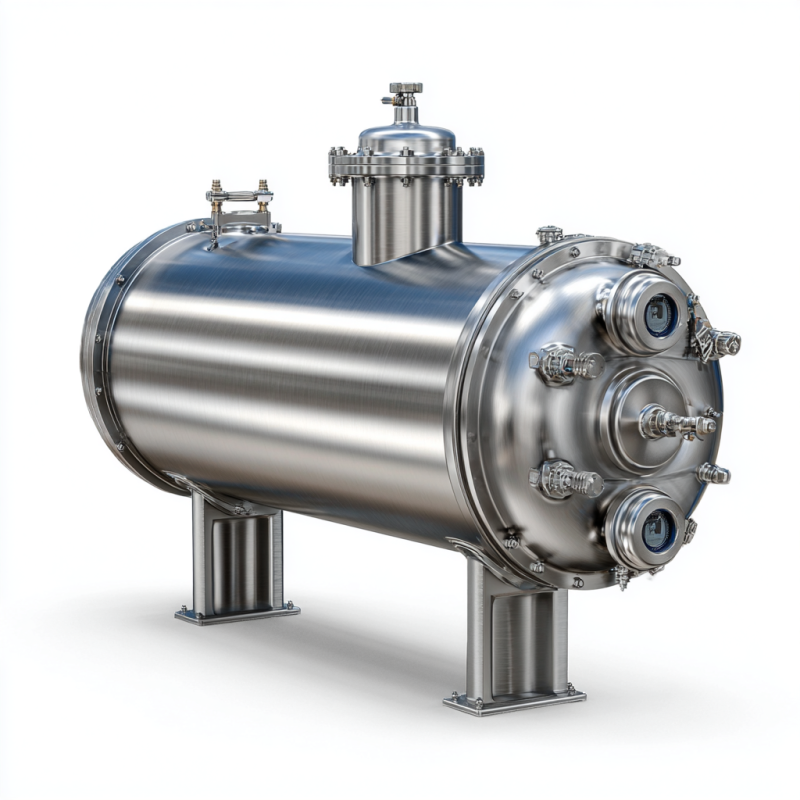
An ASME pressure vessel separator ensures clean, moisture-free fuel for maximum performance. It reduces downtime, prevents corrosion, and boosts equipment reliability.
Why Choose an ASME Pressure Vessel Separator for Clean Fuel
Ready access to clean, moisture-free fuel can make or break your equipment’s performance. An ASME pressure vessel separator gives you reliability you can count on, whether you’re dealing with diesel engines, gas turbines, or large-scale industrial operations. If you’ve experienced the frustrations of corrosion, unexpected downtime, or reduced efficiency caused by water contamination, you’re in the right place. Good news, separating water from fuel effectively is more straightforward than it seems once you understand how these specially designed separators work and why ASME certification matters.
Below, you’ll find a thorough look at the key factors that shape an ASME pressure vessel separator, along with practical advice on design, fabrication, and prefabrication benefits. You’ll also discover how to select the best separator for your needs. By the end, you’ll see how you can boost uptime and cut maintenance costs with a certified system built to keep your fuel in top condition.
Explore An ASME Pressure Vessel Separator
An ASME pressure vessel separator is a specialized device designed to extract water or other impurities from fuel streams, helping your equipment run smoothly. These vessels meet standards set by the American Society of Mechanical Engineers (ASME), ensuring they perform dependably under pressure. Few things are as damaging to engines and power generation systems as water in the fuel supply. That’s why any separator that removes water must handle both fluid pressure and chemical conditions accurately, and that’s exactly what an ASME-certified system does.
Understand the Separation Process
In many industrial contexts, fuel naturally collects condensation or absorbs moisture, making it heavier and prone to contamination. An ASME pressure vessel separator tackles that challenge by leveraging internal components, such as coalescing filters, filter elements, or cyclonic features, that consolidate entrained water droplets. The separated water then drains into a collection chamber, while the purified fuel moves on to the next stage of your process.
For a simple real-world comparison, think about how oil and water separate in a jar when left to settle. An ASME pressure vessel separator accelerates that same concept, but with precisely engineered internals operating under a pressurized environment. This approach helps you maintain clean fuel for everything from emergency generators to industrial-grade turbines.
If you want a closer understanding of the technology behind diesel-based solutions, you can look into how these systems function through resources like how does a diesel pressure vessel separator work. In each case, the fundamental principle is the same: keep water where it belongs (out of your equipment’s fuel lines) and maintain top-notch performance.
Why ASME Certification Matters
While water-fuel separation is the obvious goal, how do you confirm a separator is robust enough to manage high-pressure situations, extreme temperatures, or corrosive fuel types? That’s where an ASME pressure vessel separator comes in. The ASME code sets stringent requirements for design, fabrication, inspection, and testing. When you rely on an ASME pressure vessel separator that meets these standards, you reduce your risk of ruptures, leaks, and subsequent downtime.
ASME-certified vessels undergo thorough quality checks and must adhere to recognized design formulas, safety thresholds, and materials testing. Many manufacturers, such as Red River, hold U4 and R stamps (Red River, About Us), demonstrating advanced capabilities in designing and building an ASME pressure vessel separator. This status means their final product has been vetted to deliver safe, consistent operation, even in harsh industrial conditions. You also gain peace of mind from knowing your ASME pressure vessel separator has been inspected by authorized professionals who can shut down work for any quality concerns long before your separator ever arrives on-site.
Design Considerations for Fuel Water Separation
Not all separation challenges are created equal. Diesel fuel, for instance, might need a coalescer-based solution, while gas turbine fuel can demand a more complex filtration assembly. But there are a few universal design elements that determine whether your ASME pressure vessel separator will live up to expectations.
Material Selection and Corrosion Prevention
Fuel, by nature, can contain trace impurities or react with certain metals, especially in humid or chemically active environments. If left unchecked, corrosion erodes internal walls, flanges, and sealing surfaces. This not only leads to weaker structural integrity, but potentially shortens the vessel’s life span.
To handle these uncertainties, ASME pressure vessel separators are often built using carbon steel or stainless steel materials selected for their corrosion resistance. The exact metal grade depends on:
- Operating temperatures
- Fuel composition
- Risk of chemical exposure or salt-laden environment (e.g., near marine settings)
- Cleaning or maintenance regimens
When you work with an ASME-certified manufacturer like Red River (Red River Team), you can often discuss your specific fuel types and usage scenarios. This makes it simpler to choose an alloy or protective coating that stands up well over time.
Fabrication Techniques for Reliability
The way a vessel is welded, machined, and assembled dictates its reliability in the field. An ASME pressure vessel separator typically undergoes:
- Rigorous engineering design using 3D models or BIM software.
- Welding by certified professionals trained in various methods (like TIG or MIG), depending on the material.
- Inspection points (often multiple times) to catch any internal flaws, micro-cracks, or alignment issues.
- Pressure and leak testing.
Take, for example, many of Red River’s manufacturing processes. They use specialized modeling for accurate isometrics and shop drawings, ensuring each weld is placed exactly where it needs to be for every ASME pressure vessel separator (Red River Team). Once complete, each ASME pressure vessel separator must pass thorough quality control protocols and final approval by an ASME Authorized Inspector.
This careful approach pays off by preventing field failures and guaranteeing consistent separation efficiency in your ASME pressure vessel separator. If you’re curious about larger industrial setups, you can further explore what is an industrial fuel water separator vessel.
Benefits of Prefabricated Separator Solutions
When it comes to installing an ASME pressure vessel separator, one of the biggest questions you might face is: Should you choose a fully prefabricated solution off-site or stick to traditional field construction? Prefabrication is quickly becoming the go-to method. It simply means the separator is designed, built, and tested in a controlled manufacturing environment, then shipped to your location ready for quick assembly.
Reduced Construction Errors
Building modules in a shop environment helps spot design conflicts and resolve them swiftly. Imaging technologies such as BIM modeling reveal any flaws before material is cut or welded. According to Red River’s research, prefabrication of an ASME pressure vessel separator can significantly reduce on-site changes and rework, so you avoid lengthy construction holdups (Red River Team). Because everything is aligned and tested in advance, your ASME pressure vessel separator won’t require scrambling for extra parts or unplanned labor.
By cutting down on rework, you also reduce exposure hours on-site—a factor that can directly impact insurance rates and overall project timelines. Prefabricating an ASME pressure vessel separator is a simpler, safer, and more predictable strategy that’s been proven to keep projects on schedule.
Enhanced Safety and Lower Costs
Prefabricated ASME pressure vessel separators typically require fewer welds completed in the field. In many cases, the only real field work required is connecting pre-tested modules to main lines or hooking up electrical instrumentation. Fewer tasks on-site mean:
- Lower chance of accidents compared to open-air welding and fabrication
- Reduced overhead for specialized labor
- Minimal weather-related issues
Good news, these benefits add up. Prefabrication of an ASME pressure vessel separator drives lower labor costs, speeds up completion, and streamlines the entire commissioning process. You can dramatically cut the risk of on-site hazards by shifting critical work to a controlled facility. The nature of site work also becomes less risky when you’re not performing tasks like welding near flammable materials. You get a safer environment for your teams, and you save money and time in the process.
Selecting Your ASME Pressure Vessel Separator
Choosing an ASME pressure vessel separator calls for balancing multiple factors, including flow rates, operating pressures, available space, and the types of contaminants you expect to see in the fuel. Every detail should be tailored to your installation so you achieve the highest efficiency with minimal headache. In practice, that means working with a manufacturing partner who can help you with custom or OEM solutions. Companies such as Red River highlight the importance of building vessels around your exact parameters, especially if you’re dealing with unique site conditions (Red River Team).
Important Spec Questions
To arrive at the right design, you’ll commonly ask:
- “How much water do I anticipate in the fuel stream?”
- Knowing your worst-case moisture level shapes the required filtration or coalescing capacity.
- “What flow rate do I need?”
- Flow rate in gallons per minute (GPM) or barrels per day (BPD) determines the vessel’s size and internal design to ensure enough dwell time for separation.
- “What pressure and temperature conditions will the vessel encounter?”
- ASME code requires you to define your vessel’s operating and design pressures, along with maximum operating temperature.
- “Do I need automation or monitoring?”
- Modern separators often include instrumentation to monitor fuel quality, water levels, and system pressure. Decide whether you want manual or automated controls.
- “Which materials best suit my fuel type?”
- Diesel might require one type of coating, while a corrosive environment calls for more advanced alloys.
These points help filter down your options. If you deal with diesel fuels, you may also consider reviewing a diesel pressure vessel filter separator or an ASME pressure vessel separator to see how different design choices optimize performance in heavy-duty scenarios. Meanwhile, elaborate turnkey setups for large operations might use climate-controlled enclosures, instrumentation, or integrated pumps.
Working with Experienced Partners
You could shop for an off-the-shelf separator, but industrial processes often exceed what a standard unit can handle. A truly effective ASME pressure vessel separator is shaped by your plant’s specifics, things like location, flow volume, fuel composition, and environmental regulations. That’s why many companies turn to experts like Red River, who collaborate closely with you to confirm the details and integrate each request into the final ASME pressure vessel separator design.
Collaborative design typically looks like this:
- You share your performance goals, space constraints, and any hazard or compliance requirements.
- Engineers generate a customized blueprint using 3D modeling.
- Experts recommend the appropriate materials, internal devices, and external features (coatings, instrumentation, insulation).
Fabrication occurs in a controlled environment, complete with quality checks and hydrostatic testing. - Your finished separator ships out, ready for a streamlined installation on-site.
This approach cuts guesswork and ensures every weld, flange, or nozzle meets ASME standards. When you invest in the right manufacturing partner, your ASME pressure vessel separator delivers more than just hardware, it boosts your facility’s reliability and reduces costly downtime over the long haul.
Unlock Efficiency with an ASME Pressure Vessel Separator
When you’re chasing optimal performance, leaving water contamination unchecked can derail your planning fast. That’s what makes an ASME pressure vessel separator such a valuable asset. From corrosion-resistant materials to precision welding, these vessels guarantee efficiency and reliability under pressure.
Prefabricated solutions, an ASME pressure vessel separator, and expert manufacturing partners all come together to ensure cost savings, reduced risks, and optimized fuel operations. With the right partner and a carefully chosen ASME pressure vessel separator design, your investment pays off with long-term reliability and fewer maintenance disruptions.
Take the Next Step Toward Reliable Fuel Systems
Partner with trusted ASME-certified experts today and secure a high-performance pressure vessel separator tailored to your operations. Contact Red River to begin designing a reliable solution for your facility.
Frequently Asked Questions
1. What is an ASME pressure vessel separator?
It is a container that separates mixed fluids like oil, gas, and water, built to meet ASME safety and pressure standards.
2. Why must separators be ASME pressure vessels?
ASME certification ensures the separator meets strict safety, design, and testing requirements for high-pressure operations.
3. How does an ASME certified pressure vessel separator work?
It separates fluids using gravity and pressure differences with internal baffles and settling sections for efficient phase removal.
4. What are the benefits of using an ASME certified pressure vessel separator?
It improves safety, prevents equipment failure, and ensures reliable operation under high-pressure conditions.
5. How are ASME pressure vessel separators tested for safety?
They undergo hydrostatic or pneumatic tests to confirm structural integrity and leak-tightness according to ASME codes.
Key Takeaway
- An ASME pressure vessel separator is your best defense against water-related fuel problems.
- ASME certification guarantees strict design, welding, and testing standards.
- Prefabrication minimizes on-site labor, lowers costs, and accelerates delivery.
- Material choice, internal systems, and instrumentation collectively shape separation effectiveness.
- Partnering with an experienced manufacturer brings you a customized, long-lasting solution.
Related Blog Post
Can Condensate Storage Improve Reliability?
Where Do Condensate Tanks Fit in a Steam System?
Which Nozzles Simplify Maintenance on Pressure Vessels?
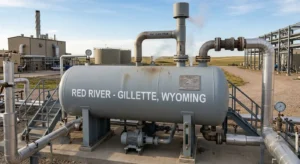
How to Vent Condensate Tanks in Steam Systems
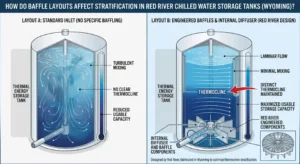
How Do Baffle Layouts Affect Stratification in TES Tanks?
- Gas Turbine Fuel Water Separator Vessel Guide
- Top Reasons to Use a Fuel Oil Pressure Vessel Separator, Red River
- What Is an ASME Pressure Vessel Separator and Why You Need It
- Fuel Filter Vessel Water Separator: RedRiver LLC
- What to Know Before Buying an Industrial Fuel Water Separator Vessel
- Diesel Pressure Vessel Filter Separator – Red River LLC
About Author