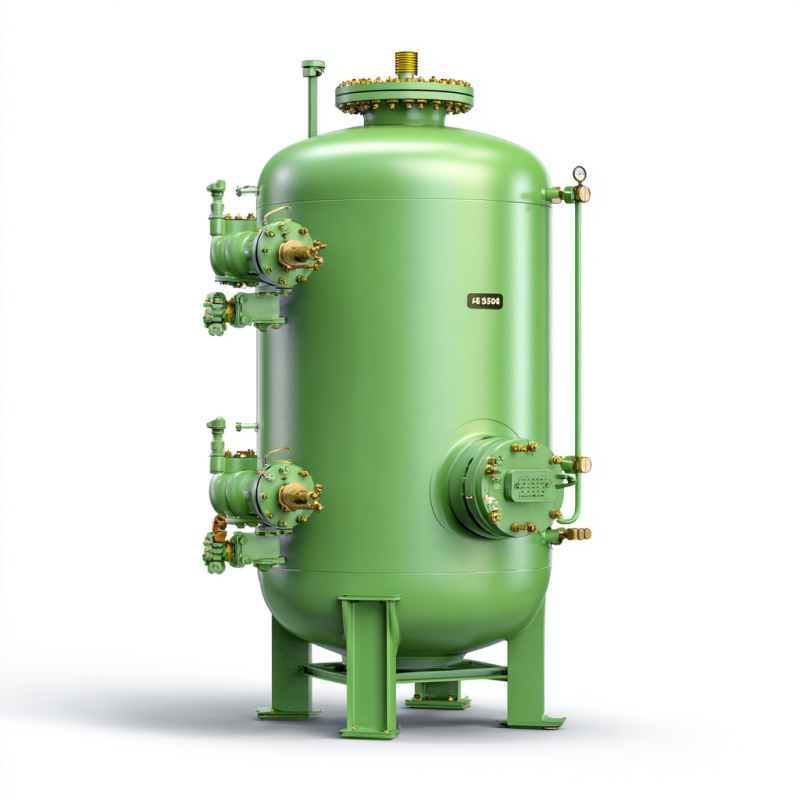
Fuel water separators must be ASME pressure vessels because certification ensures safety, compliance, and durability under extreme conditions. This protects both workers and operations.
Why Must Separators Be ASME Pressure Vessels in Industry?
Fuel water separators play a crucial role in many industries, from oil and gas to public works, because they keep contaminants out of your fuel supply and help your operations run safely. If you have ever wondered why must separators be ASME pressure vessels right from the start, the answer lies in tight manufacturing standards that protect people, property, and the environment. ASME certification achieved through the American Society of Mechanical Engineers) enforces rigorous guidelines on design, welding, and testing, ensuring that a separator vessel can withstand the temperatures and pressures it will face in real-world use. Good news, this is easier to grasp than it seems.
ASME pressure vessels also carry official U4 and R stamps, which mean they have passed thorough inspections by an Authorized Inspector. This ensures every weld joint follows the strict code that reduces the risk of accidents. If you operate in energy production, chemical processing, or agricultural sectors, you can face regulatory audits at any moment. Having an ASME stamp signals your commitment to compliance, which not only meets legal requirements but also protects your staff. You can rest assured that your team is working with equipment that has been tested for mechanical integrity.
The certified approach becomes especially critical for multi-phase separators handling both liquids and gases. In addition, a single mistake in design or manufacturing can cause a fuel spill or pressure release, with potential downtime and cleanup costs. By contrast, an industrial fuel water separator vessel built to ASME standards helps you maintain seamless operations, minimize liabilities, and demonstrate proactive safety measures.
Ensure Compliance and Peace of Mind
Adhering to ASME requirements minimizes your risk of non-compliance with local regulations. At the same time, it reduces the chances of catastrophic failure because the vessel design must pass stringent engineering checks. You avoid the pitfall of installing subpar equipment that can fail under unexpected stress or erosion from corrosive media.
- Regulatory satisfaction: Many jurisdictions insist on the ASME standard for pressurized equipment. You avoid headaches with inspectors when your separator carries solid proof of compliance.
- Better insurance terms: Some insurance underwriters prefer or require that you use certified pressure vessels. Meeting ASME guidelines can make it easier to secure favorable coverage rates.
- Workplace safety: A properly designed separator will capture contaminants and separate fluids smoothly without unsuspected surges that can harm employees.
A 2023 analysis by Red River highlighted that strict adherence to ASME codes leads to better performance across multiple sectors, including oil and gas, renewables, and public works. They note that a top-tier design helps you handle higher pressures safely, so you enjoy a longer lifespan for your separator, along with fewer on-site interventions.
Explore Key Industries and Applications
Large-scale oil and gas operations rely heavily on separators that remove water, sand, and other impurities from crude. When you refine or process these fluids, you need to do so under a range of pressures and temperatures without risking an uncontrolled release. An ASME pressure vessel separator safeguards against these scenarios by meeting code-defined thickness (or shape) requirements.
Other industries that benefit from ASME-certified separator vessels include:
- Energy production: Whether you manage turbines powered by gas or coal, you want a separator that meets tight specifications. This prevents droplets or particles from damaging the turbine blades over time.
- Water treatment: A fuel water separator can be indispensable in municipal or commercial water filtration, removing contaminants from fuel or other liquids. It can also handle specialty fluids associated with advanced treatment processes.
- Agricultural sector: Operations that move liquid fertilizers or oils need consistent performance and must comply with safety checks. A well-built separator in your supply chain cuts the likelihood of downtime.
- Chemical processing: Biofuels, solvents, and other sensitive materials often require multiphase separation. An ASME-built vessel helps avoid leaks and ensures that each output stream meets purity targets.
In many cases, these separator vessels also come prefabricated. Prefabrication in a controlled environment, according to Red River, can lead to fewer errors and improved material handling. You can then transport and install modules quickly. That means faster setup, reduced on-site labor, and minimal weather-related construction delays.
Maintain Your Vessel Effectively
Even if your vessel is ASME certified, you still need to keep it in good shape. Scheduled inspections, routine cleaning, and periodic testing will help it last and reduce the cost of major repairs. Here are a few essential steps for upkeep:
Monitor Internal Conditions
- Use gauges and sensors to track pressure, temperature, and fluid levels. If you see abrupt changes, investigate.
- Regular data logs can alert you to creeping issues (like corrosion) before they become problems.
Conduct Regular Inspections.
- Follow the guidelines outlined by ASME code sections for in-service vessels.
- Look for cracks, worn welds, or scaling inside the separator. Address them early to protect your return on investment.
Clean and Remove Residues.
- Remove sludge, rust, or moisture that can build up.
- If you operate a diesel filtration system, consider reviewing how does a diesel pressure vessel separator work for cleaning tips.
Replace Worn Components.
- Gaskets and seals can degrade over time. Swap them out before they break.
- Keep an eye on the interior surfaces, which might be subject to chemical reactions or abrasion.
Adhere to Correct Start-up and Shutdown Procedures.
- Spikes in pressure or temperature can damage internal parts.
- Follow the recommended manual to ensure your vessel ramps up/down smoothly.
Good news, these tasks are usually straightforward, and your team can master them quickly. By tackling a small list of regular checks, you save significant downtime costs and keep your staff safer.
Why Must Separators Be ASME Pressure Vessels for Long-term Reliability
Ultimately, separators handle processes that place them under constant mechanical and chemical stress. When you ask, “why must separators be ASME pressure vessels,” you are really looking for peace of mind. The short answer is: an ASME stamp verifies that every weld, seam, and component was built to withstand the internal demands of your fuel water separator or other industrial separation process.
An ASME-certified separator demonstrates your commitment to reliable, high-quality equipment. You face fewer inspections, skip unnecessary insurance roadblocks, and focus on what really matters: getting the right separation for your fuels, oils, or chemicals. Combine these vessels with routine maintenance, and you will have a streamlined process that boosts performance at each step.
Take The Next Step with ASME-certified Separators
Ready to upgrade your operations with equipment that guarantees safety and compliance? Work with Red River today to get an ASME-certified separator designed to handle your toughest demands. Protect your staff, meet regulations, and maximize efficiency, start your consultation now.
Frequently Asked Questions
1. What is an ASME pressure vessel separator?
It is a container that separates mixed fluids like oil, gas, and water, built to meet ASME safety and pressure standards.
2. How does an ASME certified pressure vessel separator work?
It separates fluids using gravity and pressure differences with internal baffles and settling sections for efficient phase removal.
3. What does ASME certification involve?
ASME certification entails following a strict set of engineering codes for pressure vessel design, welding, and testing. An Authorized Inspector must review and stamp the product, verifying that materials, dimensions, and assembly meet all required standards.
4. Can a non-ASME separator be upgraded to ASME compliance?
In many cases, getting an existing vessel up to code is more difficult and costly than buying or building a new ASME-certified separator. You may need to analyze welds, thickness, and materials, then make extensive modifications.
5. How often should I inspect my fuel water separator?
You should follow the schedule set by governing regulations in your region or your inspector’s recommendations. In general, a detailed inspection once or twice a year is common, with daily checks on pressure readings and fluid levels.
Key Takeaway
- ASME standards minimize risks by enforcing strict design and manufacturing rules.
- Fuel water separators benefit from robust construction, ensuring safer operations.
- Regular inspections and maintenance keep your ASME vessel in top condition.
- Multiple industries rely on these separators, from oil and gas to agriculture.
Related Blog Post
Condensate Tanks: Types, Fabrication, and ASME Code
Which Tests Validate Deaeration in Pressure Systems?
Equalization Tanks: Design, Sizing, and Fabrication
What Are Thermal Storage Testing Standards for TES Vessels?
What Hydro Tests Are Required for Pressure Vessels?
About Author