
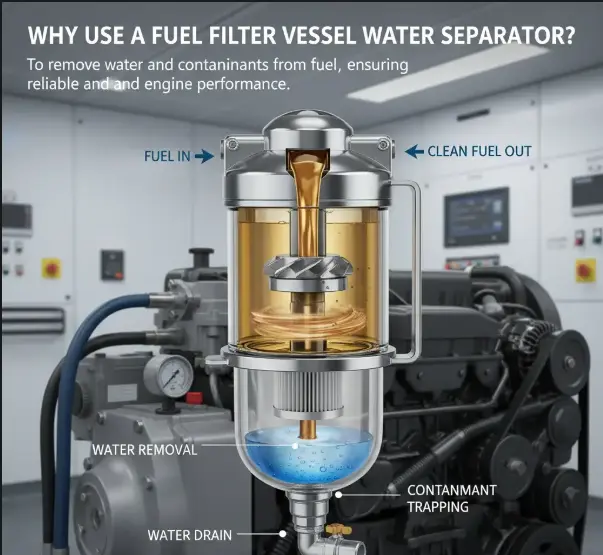
Water in fuel leads to corrosion, clogs, and costly downtime. A fuel filter vessel water separator protects engines by removing both particles and water in one compact unit.
Why Use a Fuel Filter Vessel Water Separator in Operations
Water contamination in fuel can be a hidden but costly threat, especially if you rely on large volumes of diesel or other fuels to power your operations. Studies show that even a small percentage of water in fuel can lead to significant wear on engines, increased maintenance costs, and unscheduled downtimes. You might wonder if there is a practical way to prevent these frustrations and keep your equipment running smoothly. Good news, there is: a specialized vessel called a fuel filter vessel water separator. So, why use a fuel filter vessel water separator? This solution removes water from your fuel supply, helping you preserve engine efficiency and lengthen service intervals.
In this article, you will learn how a fuel filter vessel water separator works, why water contamination happens, and what to look for when selecting the right system for your needs. You will also see how these vessels fit within the broader field of industrial filtration and modular fabrication. By the end, you will have a clear understanding of the benefits and reasons to adopt one in your operation.
Recognize Water in Your Fuel
Unwanted moisture can slip into your fuel supply through multiple channels. Humidity, condensation, and improper storage can all create or introduce water in your fuel tanks. If left unchecked, water causes corrosion in metal components. It can also create microbial growth, leading to fuel fouling and clogged filters.
- Weather transitions: Abrupt changes in temperature and humidity can cause condensation in storage tanks and lines.
- Poor seals: Cracked or worn seals around tank lids, vents, or transportation equipment can allow water infiltration.
- Prolonged storage: The longer you store fuel, the higher the chance of moisture buildup.
Why does water matter so much? Simply put, water and combustion engines do not mix. Water dilutes the fuel, lowering its lubricity, and can lead to rust in metal tanks. Over time, your equipment suffers from corrosion and clogs that hamper performance. This is where a robust solution like a dedicated water separator comes into play.
See How Filtration Works
A fuel filter vessel water separator combines two core functions in one compact unit. First, it filters out harmful solid particles (like rust flakes, dirt, and other debris). Then it actively separates and collects water before it has a chance to enter your engine. This design offers you a double layer of protection. According to Red River, filtration systems often rely on specialized filter housings that target specific particle sizes, ensuring fine-grained protection without restricting flow.
How Separation Technology Removes Water
Once fuel flows into the vessel, the separator element forces droplets of water to coalesce (come together), making them larger and heavier. These heavier droplets then settle into a collection chamber at the bottom of the unit, where they can be drained away. This straightforward process helps preserve the integrity of the fuel while removing the bulk of the contaminants that degrade performance.
If you want to see more on how this technology works in different contexts, you can check out how does a fuel filter vessel water separator work. You will see that the concepts remain similar, even if the configurations or vessel sizes vary.
Benefits of a Single-vessel System
You may be used to running independent filters and water separators. But combining both features into one vessel offers distinct advantages:
- Reduced footprint: Fewer separate components mean you save crucial space on your site or facility.
- Simplified maintenance: A single unit to inspect, clean, or replace ensures faster overall upkeep.
- Efficient flow: Streamlined fuel flow paths mean less turbulence and pressure loss.
- Lower installation costs: Fewer parts and connections can mean quicker, more cost-effective setup.
Optimize Your Industrial Setup
Many industries, from agriculture to power generation, benefit from these combined filter-separator vessels. They handle a range of fuels, including diesel and other refined products. Organizations like Red River take prefabrication seriously to ensure manufacturing consistency and short lead times. Prefabricated (or modular) designs can bring advantages such as reduced onsite labor and fewer scheduling delays due to weather.
Prefabrication Advantages
- Less downtime: A large portion of the build happens off-site in a controlled environment, so major fabrication work does not disrupt your facility.
- Higher safety: By minimizing heavy construction work on-site, your exposure hours go down, often leading to lower insurance risks.
- Quality assurance: Manufacturing in a dedicated shop with advanced tooling and standardized workflows can yield consistent, top-quality products.
As a result, many forward-thinking companies embrace modular solutions, seeing them as a way to streamline processes and prevent the bottlenecks typical of onsite construction. For fuel filter vessel water separators, this can translate to faster installation and predictable outcomes.
ASME Standards and Certifications
You might also see references to ASME pressure vessels in your search for a reliable separator. ASME (American Society of Mechanical Engineers) certifications ensure that the vessel meets rigorous safety and quality standards. Red River holds ASME certifications with U4 & R stamps, verifying they adhere to recognized codes. This is crucial when you are dealing with pressurized equipment, because a certified–proofed design reduces both potential liabilities and maintenance challenges over the vessel’s lifespan.
Why Use a Fuel Filter Vessel Water Separator for Reliability
When water infiltrates your fuel, you risk corrosion, clogs, and downtime that can disrupt important projects or essential operations. By installing a dedicated fuel filter vessel water separator, you efficiently remove water and debris in a single stage. This means confident performance, extended equipment life, and fewer maintenance headaches. You also gain the peace of mind that each drop of fuel you use is free of harmful contaminants.
Whether you run a large industrial setting or smaller on-site power units, a water separator is both a practical and strategic safeguard. You can count on a cleaner fuel supply, more reliable machinery, and the freedom to focus on running your operation instead of juggling frequent repairs. If you are ready to tap into the benefits, you can learn more from fuel filter vessel water separator resources, or explore prefabrication and modular service options from reputable manufacturers like Red River.
Ready to Protect Your Fuel System?
Discover how RedRiver can design and deliver the right fuel filter vessel water separator for your operation. Contact our team today to safeguard your equipment and cut downtime.
Frequently Asked Questions
1. What is a fuel filter vessel water separator
A fuel filter vessel water separator is a component in a fuel system that filters out solid particles and separates any water mixed in the fuel before it reaches the engine, typically housed within a vessel that allows water to accumulate and be drained away.
2. How does a fuel filter vessel water separator work
Fuel passes through a special media in the vessel that coalesces or collects tiny water droplets, causing them to merge and become heavier so they fall under gravity into a sump, while the cleaned fuel proceeds onward to the engine.
3. Why is a fuel filter vessel water separator necessary?
It protects the engine and fuel system components from damage caused by water, such as corrosion, poor combustion, or injector clogging.
4. Where in the fuel line should a fuel filter vessel water separator be located?
It should be installed between the fuel tank and the engine, ideally upstream of the final filter stage so it can remove water before fuel reaches sensitive engine components.
5. When should I drain or change a fuel filter vessel water separator?
You should drain accumulated water regularly, often before it fills the sump and replace the filter element at intervals recommended by the manufacturer or when pressure differential rises or performance drops.
Key Takeaway
- Water intrusion in fuel can accelerate engine wear and drive up maintenance costs.
- A fuel filter vessel water separator removes both solid particles and water in one compact unit.
- Prefabrication can cut installation time, reduce risk, and improve overall quality.
- ASME certification offers an extra layer of safety and confidence in pressurized systems.
- Regular inspections and draining ensure your separator continues to protect your equipment.
Related Blog Post
Can Condensate Storage Improve Reliability?
Where Do Condensate Tanks Fit in a Steam System?
Which Nozzles Simplify Maintenance on Pressure Vessels?
How to Vent Condensate Tanks in Steam Systems
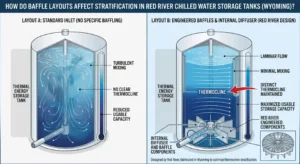
How Do Baffle Layouts Affect Stratification in TES Tanks?
About Author



