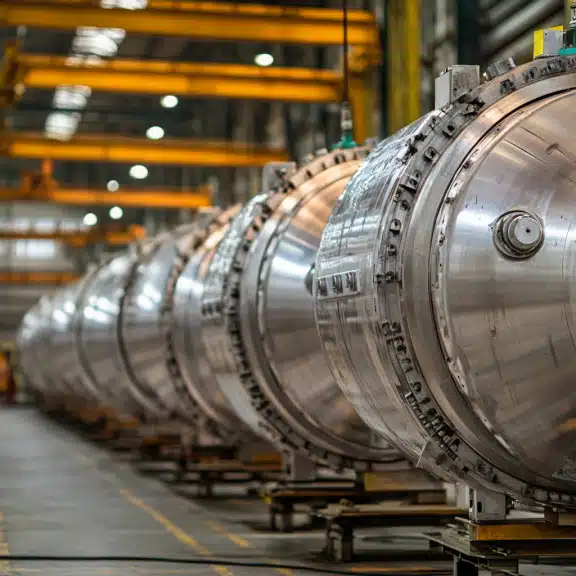
Stainless steel is the preferred material for pressure vessels due to its strength, corrosion resistance, and regulatory compliance across industries. Grades like 304, 316, and 2205 are selected based on pressure, environment, and fabrication needs. Choosing the right grade ensures long-term reliability, safety, and cost efficiency.
Stainless Steel for Pressure Vessels: Properties, Grades & Selection Guide
Stainless steel for pressure vessels is a trusted material choice across demanding industries due to its exceptional strength, corrosion resistance, and formability. Whether you’re designing equipment for chemical processing, power generation, or food production, selecting the right stainless steel grade is essential for safety, compliance, and long-term performance.
Key Properties of Stainless Steel for Pressure Vessels
Corrosion Resistance
One of the most valued properties of stainless steel is its natural resistance to corrosion, particularly in aggressive environments such as marine applications, chemical plants, and high-moisture settings. This makes it ideal for vessels exposed to corrosive gases, acids, and saline.
Strength and Durability
Stainless steel is known for high tensile strength and exceptional durability, making it suitable for high-pressure environments. It withstands internal pressure, mechanical stress, and thermal cycling with minimal degradation over time.
Aesthetic and Hygienic Benefits
Stainless steel offers a clean, polished finish that supports both hygienic and visual applications. Its non-porous surface resists bacterial buildup, making it ideal for pharmaceutical, food processing, and healthcare-related vessels.
Recyclability
Stainless steel is 100% recyclable, aligning with sustainable manufacturing practices and reducing environmental impact throughout the vessel’s lifecycle.
Why Stainless Steel Is Preferred for Pressure Vessels
Versatility Across Industries
From aerospace to wastewater treatment, stainless steel is a go-to material for pressure vessels due to its ability to meet both regulatory and operational requirements.
Performance Impact
Selecting the right grade of stainless steel significantly influences vessel integrity, lifecycle cost, corrosion resistance, and mechanical performance.
Long-Term Cost Efficiency
While stainless steel may have higher upfront material costs compared to carbon steel, its low maintenance and longer service life often result in lower total cost of ownership.
Regulatory Compliance
Stainless steel grades used in pressure vessels must meet industry standards such as ASME, ASTM, and PED to ensure safety, quality, and reliability.
Factors That Influence Stainless Steel Selection
Application Requirements
Different applications demand varying mechanical properties. Evaluate internal pressure, temperature fluctuations, and expected wear.
Environmental Conditions
Exposure to chlorides, acids, humidity, or elevated temperatures requires selecting corrosion-resistant grades like 316 or duplex 2205.
Fabrication & Weldability
Some grades are easier to cut, form, and weld than others. Austenitic grades like 304 and 316 are especially weld-friendly, while duplex steels may require specialized welding procedures.
Space and Structural Constraints
For large vertical or horizontal pressure vessels, the steel must support the structure’s weight and maintain dimensional stability over time.
Need a reliable partner?
Red River specializes in designing and fabricating ASME-compliant stainless steel pressure vessels, prefabricated spools, and skid packages tailored to your process requirements. We offer engineering support, material guidance, and American-made reliability from start to finish.
Contact us today and experience the Red River difference—where performance, precision, and American values come together.
Frequently Asked Questions
1. What are the main factors to consider when choosing stainless steel for a pressure vessel?
Corrosion resistance, temperature tolerance, mechanical strength, code compliance, and fabrication needs all factor into the decision.
2. Why is austenitic stainless steel popular for pressure vessels?
Grades like 304 and 316 offer high corrosion resistance, excellent weldability, and versatility across many industries.
3. What are the advantages of duplex stainless steel?
Duplex grades (like 2205) provide superior strength, chloride resistance, and better performance in aggressive or high-pressure environments.
4. Are ferritic stainless steels suitable for pressure vessels?
Yes, ferritic steels like 430 offer moderate corrosion resistance and lower cost, making them suitable for specific low-pressure, low-corrosion applications.
5.How does stainless steel selection impact long-term maintenance?
Higher-quality grades reduce corrosion, fatigue, and failure risks minimizing inspection intervals and repair costs.
Key Takeaways
- Stainless steel is ideal for pressure vessels due to its excellent corrosion resistance, strength, and compliance with industry standards.
- Common grades include 304 and 316 (austenitic), 410 (martensitic), 430 (ferritic), and 2205 (duplex), each suited for different operating conditions.
- Corrosive environments and high-pressure applications benefit from higher-grade materials like 316L or Duplex 2205.
- The right stainless steel grade improves durability, reduces maintenance, and enhances overall system reliability.
- Material selection should factor in mechanical stress, temperature, environmental exposure, weldability, and lifecycle cost.
- Adhering to ASME and ASTM standards ensures safety, regulatory compliance, and long-term performance.
Related Blog Post
Pressure Vessel Design & Engineering: Concept to Launch
What is Pressure Vessel Design and Engineering: Code-Ready Guide
What are the Key Factors in Pressure Vessel Engineering
How Do You Design a Pressure Vessel: A Step-By-Step Guide
What is Pressure Vessel Fabrication and Manufacturing
About Author