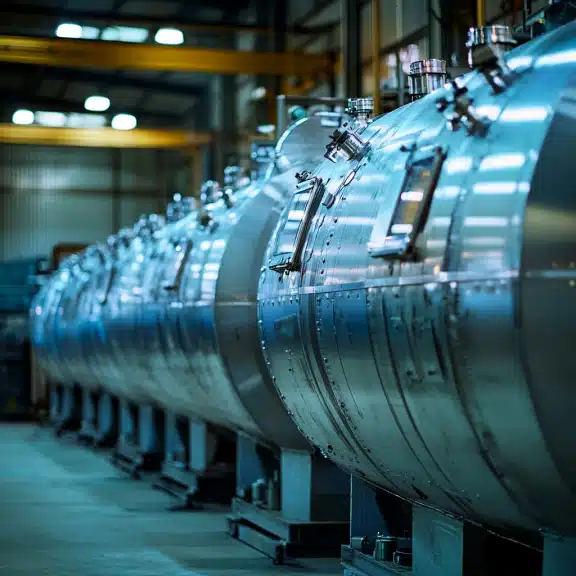
Selecting the right material for pressure vessels is critical to ensure safety, performance, and compliance with industry standards. Key factors include operating pressure, temperature, corrosion resistance, mechanical properties, and weldability. Materials like carbon steel, stainless steel, and aluminum alloys each offer unique advantages depending on the application.
How to Approach Pressure Vessel Material Selection
When designing pressure vessels, material selection plays a crucial role in ensuring safety, durability, and efficiency. One of the primary considerations in material selection is the operating pressure and temperature of the vessel. Different materials offer unique strengths and resistances to high pressures and temperatures. Therefore, it is crucial to match material properties to the specific operational conditions.
Corrosion Resistance
Corrosion compromises the integrity of pressure vessels, often leading to leaks and catastrophic failures. Selecting materials with high corrosion resistance is critical, especially in industries where vessels encounter corrosive substances or environments.
Mechanical Properties
The mechanical properties of materials—such as strength, ductility, and toughness—are essential. Therefore, using materials with robust mechanical properties ensures that pressure vessels can withstand internal pressures and external forces without failure.
Factors to Consider in Material Selection for Pressure Vessels
Steel Alloys
Steel alloys, such as carbon steel and chrome steel, are widely used in pressure vessel construction. Moreover, their exceptional strength, durability, and weldability make them suitable for a wide variety of applications. These materials are capable of withstanding high pressures and temperatures.
Carbon Steel
Carbon steel is a reliable option for pressure vessel construction, offering excellent strength and longevity. It is commonly used in applications where corrosion resistance is not the primary concern.
Stainless Steel
Stainless steel resists corrosion effectively, making it ideal for applications involving corrosive materials or environments. Furthermore, it offers exceptional mechanical properties and retains its integrity even at high temperatures.
Aluminum Alloys
Aluminum alloys are lightweight and resist corrosion effectively, making them suitable for specific pressure vessel applications. However, they may not provide the same robustness as steel alloys and often require special considerations in design and fabrication.
Properties and Characteristics of Material Selection for Pressure Vessels
Strength-to-Weight Ratio
The strength-to-weight ratio is an essential aspect of pressure vessel design because it determines the vessel’s ability to withstand internal pressure while minimizing weight. Moreover, high strength-to-weight ratios are crucial for applications where weight reduction is vital.
Ductility and Toughness
Ductility and toughness are critical properties of materials used in pressure vessels. These characteristics determine the material’s ability to deform and absorb energy without fracturing. Additionally, materials with high ductility and toughness can withstand sudden changes in pressure and temperature.
Weldability and Fabrication Considerations
Weldability is another crucial consideration in material selection for pressure vessels. Additionally, it impacts fabrication efficiency and the quality of weld joints. Materials that are easy to weld are often preferred to ensure robust and reliable connections.
Need a reliable partner?
Red River specializes in the design and manufacturing of pressure vessels. We also fabricate related items such as prefabricated spools and skid packages.
Reach Out to us today and experience the Red River difference. Where American Made and American Values come together, we care more.
Frequently Asked Questions
1. What are the maximum not unusual substances used in pressure vessel creation?
Manufacturers typically use materials like metal alloys, stainless steel, carbon steel, and aluminum alloys to build pressure vessels. These materials offer varying levels of strength, corrosion resistance, and thermal stability, making them versatile for specialized applications.
2. How do I select the proper cloth for my pressure vessel?
Selecting the right material for a pressure vessel relies on several factors, including operating pressure, temperature, and environmental conditions. Additionally, the material’s mechanical properties, corrosion resistance, and weldability are crucial for ensuring optimal performance and safety.
3. What is the significance of weldability in pressure vessel materials?
Weldability significantly impacts pressure vessel creation. Materials with excellent weldability simplify the fabrication process and ensure strong, reliable welds. This reduces the risk of defects and structural failure, improving overall safety and efficiency.
4. How do enterprise standards and regulations affect pressure vessel fabric selection?
Industry standards and policies, such as the ASME Boiler and Pressure Vessel Code, guide the design, creation, and inspection of pressure vessels. Meeting these requirements ensures pressure vessel protection, reliability, and regulatory compliance.
5. Can pressure vessel substances be customized for precise programs?
Yes, pressure vessel materials can be customized to meet specific application needs. For instance, customization may include selecting materials with enhanced corrosion resistance or high-temperature tolerance. Additionally, specialized coatings or linings can be used to protect against harsh substances or environmental conditions. Collaborating with fabric engineers and manufacturers ensures the materials are tailored for exact requirements.
Key Takeaways
- Material selection is critical to ensure the safety, durability, and performance of pressure vessels under various operating conditions.
- Corrosion resistance is essential for vessels exposed to aggressive environments or chemicals, particularly in industries like chemical processing or water treatment.
- Mechanical properties such as strength, ductility, and toughness influence a vessel’s ability to withstand internal pressure and external forces.
- Carbon steel is cost-effective and strong but best suited for non-corrosive applications; stainless steel offers superior corrosion resistance and temperature durability.
- Aluminum alloys provide lightweight benefits and corrosion resistance but may require specialized design considerations.
- Weldability impacts fabrication quality materials that weld easily improve safety, reduce defect risk, and support long-term reliability.
- Compliance with industry standards like ASME BPVC ensures regulatory approval and operational safety.
Related Blog Post
Pressure Vessel Design & Engineering: Concept to Launch
What is Pressure Vessel Design and Engineering: Code-Ready Guide
What are the Key Factors in Pressure Vessel Engineering
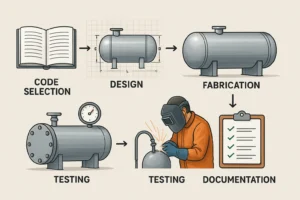
How Do You Design a Pressure Vessel: A Step-By-Step Guide
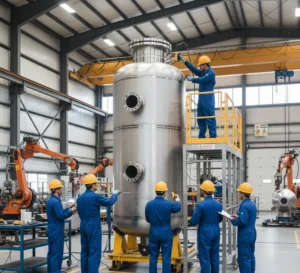
What is Pressure Vessel Fabrication and Manufacturing
About Author