
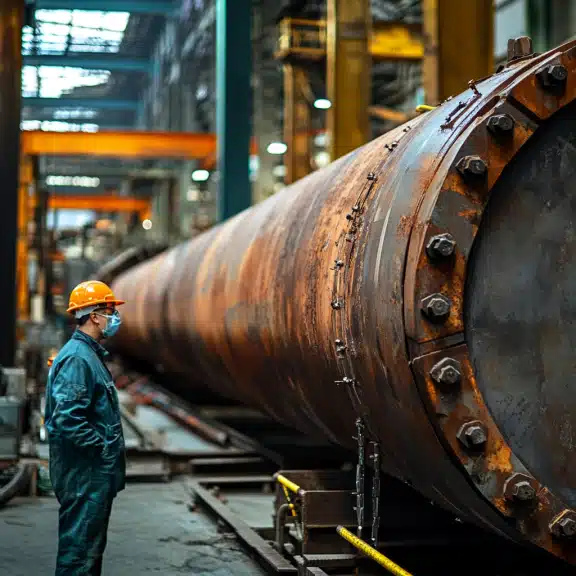
Choosing the right standard steel for pressure vessels is essential for ensuring safety, durability, and regulatory compliance. This guide explores the roles of ASME and ANSI standards, discusses material selection based on performance and environment, and outlines how proper steel choice affects cost, longevity, and operational success.
Standard Steel for Pressure Vessels: Regulations, Selection, and Compliance
Selecting the right standard steel for pressure vessels is critical to ensuring compliance with industry regulations and achieving safe, durable, and cost-effective performance. Organizations like the American Society of Mechanical Engineers (ASME) and the American National Standards Institute (ANSI) define strict standards for the design, materials, and fabrication methods used in pressure vessel construction.
ANSI Standards for Pressure Vessel Materials
ANSI standards outline material specifications, quality control measures, and fabrication procedures for pressure vessel steel. Adherence to these guidelines ensures consistency, safety, and traceability throughout the manufacturing process.
ASME Boiler and Pressure Vessel Code (BPVC) Guidelines
The ASME BPVC is the authoritative code governing pressure vessel design and construction. It provides detailed guidance on steel selection, welding processes, inspection protocols, and testing methods. Compliance is mandatory for ensuring reliable and safe vessel performance across various industrial applications.
Common Grades of Standard Steel Used in Pressure Vessels
- Carbon Steel: Offers high strength and affordability, commonly used in general industrial applications where corrosion is not a major concern.
- Stainless Steel: Provides excellent corrosion resistance and mechanical integrity, making it ideal for food, pharmaceutical, and chemical processing.
- Alloy Steel : Suited for high-temperature or high-pressure conditions, commonly used in petrochemical and power generation sectors.
How to Select Standard Steel for Pressure Vessel Applications
Operating Conditions and Environmental Factors
Steel must be selected based on expected pressure, temperature, and chemical exposure. High-temperature and corrosive environments demand steel grades with suitable thermal stability and corrosion resistance.
Budgetary Constraints and Cost-Effectiveness
While premium alloys offer enhanced performance, their higher cost must be weighed against operational benefits. Engineers should aim to balance performance needs with budgetary limits.
Maximizing Durability with the Right Steel Choice
Durability and maintenance impact long-term costs. Choosing steel with proven longevity and low maintenance requirements helps minimize downtime and lifecycle expenses.
Chemical Compatibility
Steel must be compatible with the process media to avoid degradation, corrosion, or contamination. Selecting chemically resistant materials ensures safe and efficient vessel operation.
Quality Control in Pressure Vessel Production
Strict quality assurance practices, including weld inspections, material testing, and hydrostatic testing, are essential to meet ASME/ANSI requirements. These steps reduce risk, improve reliability, and ensure regulatory compliance.
Need a reliable partner?
Red River specializes in the design and manufacturing of high-quality pressure vessels. We also fabricate prefabricated spools and skid packages. Reach out today to experience the Red River difference where American Made and American Values come together.
Frequently Asked Questions
1. What factors should I consider when selecting standard steel for pressure vessels?
Evaluate operating temperature and pressure, chemical exposure, budget, and long-term maintenance needs. Ensure the steel grade complies with industry standards like ASME BPVC.
2. Are there specific standards for steel in pressure vessel construction?
Yes, ASME and ANSI provide detailed standards that govern material selection, fabrication techniques, and quality assurance for pressure vessels.
3. What are common types of steel used?
Carbon steel, stainless steel, and alloy steel are widely used depending on the application. Each type offers a different balance of strength, corrosion resistance, and cost.
4. Why is quality control important?
It ensures product reliability, identifies flaws before deployment, and maintains compliance with industry regulations.
5. How can I ensure long-term durability of my pressure vessel?
Choose the appropriate steel grade for your conditions, follow a regular maintenance plan, and partner with experienced manufacturers like Red River.
Key Takeaways
- Compliance with ASME and ANSI standards is essential for safety and performance.
- Common standard steels include carbon steel, stainless steel, and alloy steel.
- Material selection depends on pressure, temperature, media compatibility, and environmental exposure.
- Cost-effectiveness should consider both initial investment and lifecycle durability.
- Proper quality control and maintenance planning significantly extend vessel lifespan.
Related Blog Post
Pressure Vessel Design & Engineering: Concept to Launch
What is Pressure Vessel Design and Engineering: Code-Ready Guide
What are the Key Factors in Pressure Vessel Engineering
How Do You Design a Pressure Vessel: A Step-By-Step Guide
What is Pressure Vessel Fabrication and Manufacturing
About Author



