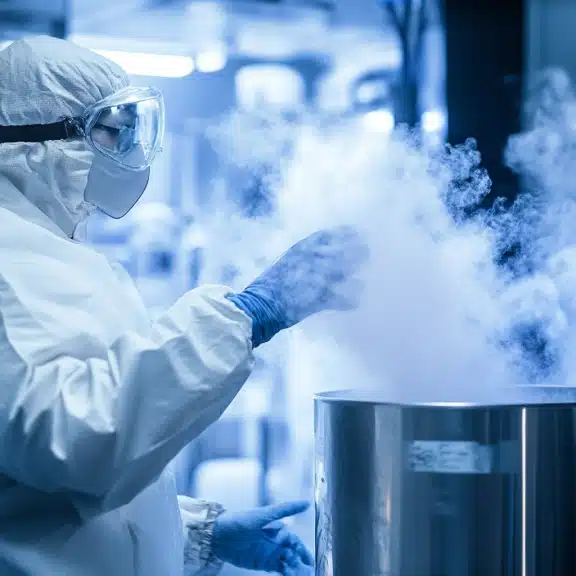
Handling and storing cryogenic fluids safely is essential for preventing accidents. Key safety measures include wearing appropriate PPE, using specialized equipment for fluid transfer, and regularly monitoring fluid levels. Strict adherence to protocols and regulations ensures the safe handling and storage of these fluids, reducing the risk of injuries and environmental hazards.
Best Practices for Handling and Storing Cryogenic Fluids: Safety, Procedures, and Regulations
Handling and storing cryogenic fluids safely is essential for preventing accidents and ensuring operational efficiency. These fluids, due to their extremely low temperatures, require specialized equipment and procedures for their storage and transfer. This guide outlines the best practices for handling and storing cryogenic fluids, focusing on safety measures, handling techniques, and regulatory compliance.
Safety Measures for Handling and Storing Cryogenic Fluids
When handling and storing cryogenic fluids, it is crucial to wear the appropriate personal protective equipment (PPE) to limit the risk of injury. PPE may include insulated gloves, face shields, goggles, and thermal-resistant apparel to protect against extreme cold and potential splashes during fluid transfer or storage.
Safety Measures for Cryogenic Fluid Handling
Proper ventilation and containment systems must be in place to prevent the buildup of pressure or the release of hazardous gases. Adequate airflow helps expel any vapors or gases that might accumulate during handling and storing cryogenic fluids, reducing the risk of exposure to workers.
Handling and Storing Cryogenic Fluids Procedures
Safe Transfer Techniques for Handling and Storing Cryogenic Fluids
When transferring cryogenic fluids from one container to another, it is essential to use safe transfer techniques to minimize the risk of spills or leaks. This includes using dedicated transfer hoses, valves, and fittings designed for handling and storing cryogenic fluids, ensuring proper connections and seals to prevent leaks.
Preventing Leaks and Spills During Handling and Storing Cryogenic Fluids
Proper handling techniques, such as avoiding rough handling or dropping containers, can help prevent leaks or spills of cryogenic fluids. Regular inspections of storage containers and transfer equipment should be conducted to identify any signs of wear or damage that could compromise their integrity.
Monitoring and Controlling Cryogenic Fluid Levels
Continuous monitoring of cryogenic fluid levels is crucial to prevent overfilling or underfilling of storage containers, which could lead to equipment malfunctions or accidents. Automated level monitoring systems and alarms can alert personnel to any deviations from the desired levels, enabling prompt corrective actions.
Need a Reliable Partner?
Red River specializes in the design and manufacturing of pressure vessels. We also fabricate related items such as prefabricated spools and skid packages.
Reach out to us today and experience the Red River difference. Where American Made and American Values come together, we care more.
Frequently Asked Questions
What are the primary hazards when handling and storing cryogenic fluids?
Cryogenic fluids pose several risks due to their extremely low temperatures and potential for rapid expansion. Key hazards include frostbite and cryogenic burns from direct contact with the fluids or surfaces cooled by them. Additionally, exposure to cryogenic vapors can cause asphyxiation in poorly ventilated areas. Strict safety protocols and proper PPE are essential for minimizing these risks.
How do I choose the right vessel for storing cryogenic fluids?
Choosing the appropriate storage vessel depends on factors such as the type and volume of cryogenic fluid, storage requirements, and environmental conditions. Options range from dewars for small-scale applications to larger cryogenic tanks for bulk storage. Considerations include insulation efficiency, material compatibility, and portability. Consulting a qualified engineer or supplier can help identify the best storage solution for your needs.
What safety precautions should I take when moving cryogenic fluids?
Safe transfer of cryogenic fluids requires careful planning and adherence to established protocols. Before transferring fluids, ensure all equipment is properly inspected and maintained. Use dedicated transfer hoses, valves, and fittings designed for cryogenic applications to minimize the risk of leaks or spills. Always wear appropriate PPE and be alert to any signs of overpressure or equipment malfunction during the transfer process.
How can I prevent leaks and spills during the handling and storing of cryogenic fluids?
Preventing leaks and spills starts with proper handling techniques and regular equipment maintenance. Avoid rough handling or dropping containers, as this can damage their integrity and cause leaks. Regularly inspect storage containers and transfer equipment for signs of wear, such as cracks or corrosion. Implementing secondary containment measures and using leak detection systems can further reduce the risk of spills.
What regulatory requirements govern the handling and storage of cryogenic fluids?
The handling and storage of cryogenic fluids are governed by various regulations from organizations like OSHA (Occupational Safety and Health Administration) and ANSI (American National Standards Institute). These regulations cover aspects such as employee safety, equipment standards, and emergency response procedures. Compliance with these guidelines is crucial to ensure the safety of workers and the environment.
Key Takeaways:
- Handling and storing cryogenic fluids requires specialized equipment and procedures to ensure safety and efficiency.
- Personal protective equipment (PPE), proper storage containers, and safe transfer techniques are critical in preventing accidents.
- Regular monitoring of fluid levels and regular inspections of equipment help maintain safe operations.
- Regulatory compliance is essential, with strict guidelines from organizations like OSHA and ANSI to ensure safe handling and storage.
- Preventive measures such as secondary containment and leak detection systems help minimize risks associated with cryogenic fluid storage.
Related Blog Post
Pressure Vessel Design & Engineering: Concept to Launch

What is Pressure Vessel Design and Engineering: Code-Ready Guide
What are the Key Factors in Pressure Vessel Engineering
How Do You Design a Pressure Vessel: A Step-By-Step Guide
What is Pressure Vessel Fabrication and Manufacturing
About Author