
Effective cryogenic liquids management is crucial for ensuring safety when handling substances like liquid nitrogen, oxygen, and hydrogen. Best practices include proper storage, transportation, and monitoring of cryogenic fluids to prevent accidents. Compliance with regulatory standards and proper training are essential for mitigating risks.
Effective Cryogenic Liquids Management: Best Practices for Safety and Efficiency
Effective Cryogenic Liquids Management is essential for ensuring safety and efficiency when handling substances like liquid nitrogen (LN2), liquid oxygen (LOX), liquid hydrogen (LH2), and liquid helium (LHe). These cryogenic liquids, with their exceptionally low boiling points, play a critical role across various industries including scientific research, aerospace, and manufacturing processes.
Best Practices for Cryogenic Liquids Management: Safety, Procedures, and Compliance
Cryogenic Liquids Management is essential for ensuring safety and efficiency when handling substances like liquid nitrogen (LN2), liquid oxygen (LOX), liquid hydrogen (LH2), and liquid helium (LHe). These cryogenic liquids, with their exceptionally low boiling points, are critical in industries ranging from scientific research to aerospace and manufacturing.
Best Practices in Cryogenic Liquids Management
Understanding the properties of cryogenic liquids like liquid nitrogen and hydrogen is key to effective management. These fluids play essential roles in industries and require specialized handling procedures to ensure their safe and efficient use.
Storage Guidelines for Cryogenic Liquids
Proper storage of cryogenic liquids requires well-ventilated spaces, specialized containers, and insulation to prevent temperature fluctuations and pressure buildup. Adequate signage and labeling are essential for communicating the potential risks associated with cryogenic liquids.
Transportation and Transfer Procedures for Cryogenic Liquids
Safe transportation and transfer of cryogenic liquids require the use of specialized containers and equipment. Ensuring that valves, hoses, and transfer systems are designed for cryogenic liquids is crucial to preventing leaks and spills during transit.
Monitoring and Maintenance of Cryogenic Equipment
Regular monitoring of cryogenic fluid levels, temperature, and pressure is vital for the safe storage and handling of cryogenic liquids. Automated monitoring systems are essential for ensuring that these parameters remain within safe limits, preventing accidents and equipment failures.
Regulatory Compliance and Documentation
Complying with regulatory standards is critical when managing cryogenic liquids. Red River helps customers navigate complex regulatory requirements and maintain the necessary documentation to ensure compliance with safety protocols for cryogenic liquids.
Common Mistakes to Avoid When Handling Cryogenic Liquids
- Improper Storage Practices: Always use certified storage solutions for cryogenic liquids to prevent accidents.
- Inadequate Training: Comprehensive training ensures personnel can handle cryogenic liquids safely.
- Failure to Follow Established Procedures: Consistent adherence to protocols is essential for minimizing risks.
- Ignoring Safety Precautions: Proper PPE and safety measures are crucial when working with cryogenic liquids.
Need a Reliable Partner?
Red River specializes in the design and manufacturing of pressure vessels. We also fabricate related items such as prefabricated spools and skid packages.
Reach out to us today and experience the Red River difference. Where American Made and American Values come together, we care more.
Frequently Asked Questions
What are the primary hazards when handling and storing cryogenic liquids?
Cryogenic liquids pose risks like frostbite, cryogenic burns, and asphyxiation due to gas expansion. Proper training, PPE, and ventilation are critical to mitigate these hazards.
What are the best practices for storing cryogenic liquids?
Use specialized containers and ensure proper insulation and ventilation to safely store cryogenic liquids. Containers should be certified to withstand the low temperatures of cryogenic fluids.
What safety precautions should I take when moving cryogenic liquids?
Always inspect equipment before transferring cryogenic liquids, use dedicated cryogenic hoses and valves, and ensure all personnel wear proper PPE.
What are the environmental risks associated with cryogenic liquids?
Improperly handled cryogenic liquids can pose environmental risks if released. Strict safety measures and containment protocols are necessary to prevent environmental damage.
Key Takeaways:
- Cryogenic liquids management requires specialized equipment, storage, and handling techniques to ensure safety.
- Proper storage and transportation of cryogenic liquids involve using certified containers, ensuring adequate ventilation, and following safety protocols.
- Regular monitoring of cryogenic fluids helps prevent accidents and ensures safe operational conditions.
- Compliance with regulatory standards is mandatory for safely handling cryogenic liquids.
- Training and PPE are critical to minimizing risks associated with cryogenic liquids.
Related Blog Post
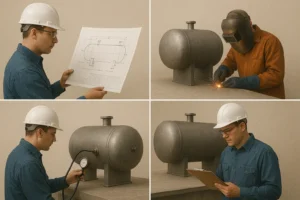
Pressure Vessel Design & Engineering: Concept to Launch

What is Pressure Vessel Design and Engineering: Code-Ready Guide
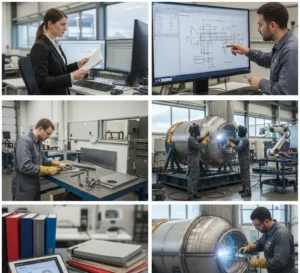
What are the Key Factors in Pressure Vessel Engineering
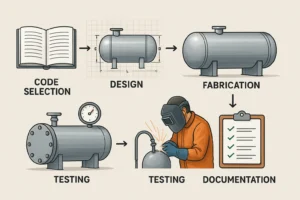
How Do You Design a Pressure Vessel: A Step-By-Step Guide
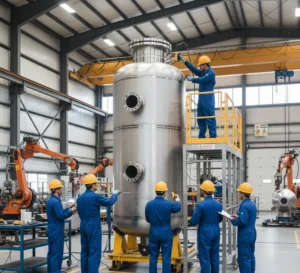
What is Pressure Vessel Fabrication and Manufacturing
About Author