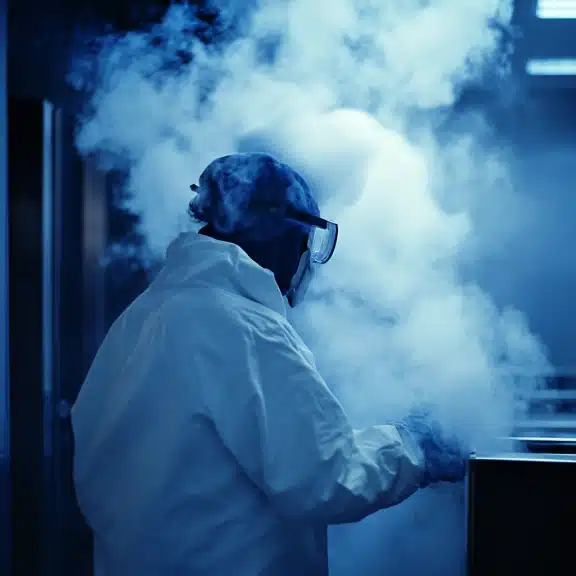
Cryogenic temperatures are essential in scientific advancements and industrial applications. They drive technologies like magnetic cooling, laser cooling, and superconductivity. Red River provides pressure vessels designed to meet the unique challenges of cryogenic applications, ensuring safety and reliability across various industries.
Applications of Cryogenic Temperatures in Modern Industries
Cryogenic temperatures, which refer to extremely low temperatures used in various industries, play a critical role in modern technology and research. Cryogenics involves producing and handling temperatures below -150°C (-238°F). This fascinating field merges physics, engineering, and ingenuity to achieve the seemingly impossible. Moreover, at Red River, we focus on utilizing our expertise in pressure vessel production to meet the diverse cryogenic needs of industries worldwide.
Scientific Breakthroughs Achieved at Cryogenic Temperatures
Cryogenic temperatures are essential in various advancements, from preserving organic samples to supercooling superconductors. These low temperatures drive cutting-edge technologies. Therefore, at Red River, we play a vital role in enabling these breakthroughs by providing safe and reliable containment solutions.
Methods of Achieving Cryogenic Temperatures
Refrigeration Cycle Techniques
The refrigeration cycle forms the backbone of cryogenic cooling. Additionally, our vessels are designed to support the most advanced cycles in use today. Whether it’s the Gifford-McMahon or the Stirling and Joule-Thomson cycles, we ensure comprehensive coverage.
Magnetic Cooling Methods
Magnetic cooling showcases the innovative edge of cryogenics. Furthermore, our vessels accommodate the specific requirements of this progressive method, ensuring both maximum efficiency and uncompromised protection.
Adiabatic Demagnetization
Adiabatic demagnetization represents another frontier in cryogenic cooling. As a result, this method demands precision-engineered vessels capable of withstanding extreme conditions. At Red River, we specialize in crafting vessels tailored to meet these rigorous standards.
Laser Cooling Techniques
Laser cooling, once considered science fiction, is now a reality. Consequently, our vessels are fully equipped to support this groundbreaking technology. At Red River, we stay ahead of the curve, prepared to enable the next wave of innovation in cryogenic generation.
Need a reliable partner?
Red River specializes in the design and manufacturing of pressure vessels. We also fabricate related items such as prefabricated spools and skid packages.
Reach Out to us today and experience the Red River difference. Where American Made and American Values come together, we care more.
Frequently Asked Questions
What substances are excellent and perfect for manufacturing pressure vessels for cryogenic packages?
For cryogenic applications, substances must withstand extremely low temperatures without losing structural integrity. For example, austenitic stainless steels, such as 304 and 316, are favored for their durability at cryogenic temperatures. Moreover, aluminum alloys, known for their power-to-weight ratio and excellent thermal conductivity, are also used. Additionally, advanced composites are gaining traction for reducing weight and enhancing thermal efficiency.
How do cryogenic temperatures affect the layout of pressure vessels?
Cryogenic temperatures impose unique challenges on pressure vessel design. However, materials must retain ductility and resist brittle fractures at low temperatures. Moreover, designs account for thermal contraction, insulation to reduce heat ingress, and safety features to manage rapid gas expansion in heated conditions.
What are the important thing protection considerations when running with cryogenic pressure vessels?
Safety is paramount. In this case, key considerations include proper insulation, venting systems to prevent asphyxiation risks, and robust materials to avoid embrittlement. Furthermore, operators must be trained to handle cryogenic materials safely and use protective gear to prevent cold burns.
Can cryogenic pressure vessels be custom-designed for specific applications?
Yes, customization allows for tailored solutions to meet unique requirements. For instance, adjustments can include size, shape, insulation type, and integration of tracking or safety systems. As a result, custom vessels meet the thermal and pressure demands of diverse applications, such as storage, shipping, or integration into larger systems.
What improvements are being made in the cryogenic pressure vessel era?
Recent advancements focus on performance, protection, and sustainability. Notably, lightweight, durable composite materials offer enhanced insulation. Additionally, smart sensors and IoT technology enable real-time monitoring of vessel integrity, temperature, and pressure. Finally, green insulation materials and strategies aim to reduce the environmental impact of cryogenic storage and transport.
Key Takeaways:
- Cryogenic temperatures are crucial for advancing technologies in fields such as medical research, aerospace, and material science.
- Red River specializes in pressure vessels designed for cryogenic applications, supporting technologies like refrigeration cycles, magnetic cooling, and adiabatic demagnetization.
- Materials like austenitic stainless steel, aluminum alloys, and advanced composites are key in designing cryogenic pressure vessels to withstand extreme temperatures.
- Safety in cryogenic applications involves careful vessel design, proper insulation, venting systems, and trained personnel.
- Innovations in cryogenic pressure vessels include real-time monitoring via smart sensors and the use of sustainable materials for reduced environmental impact.
Related Blog Post
Pressure Vessel Design & Engineering: Concept to Launch
What is Pressure Vessel Design and Engineering: Code-Ready Guide
What are the Key Factors in Pressure Vessel Engineering
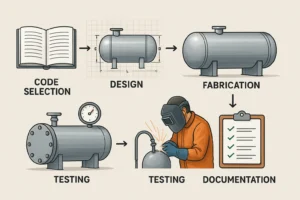
How Do You Design a Pressure Vessel: A Step-By-Step Guide
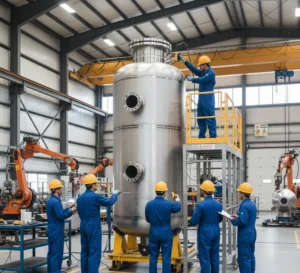
What is Pressure Vessel Fabrication and Manufacturing
No subpillar set for this blog post.
About Author