
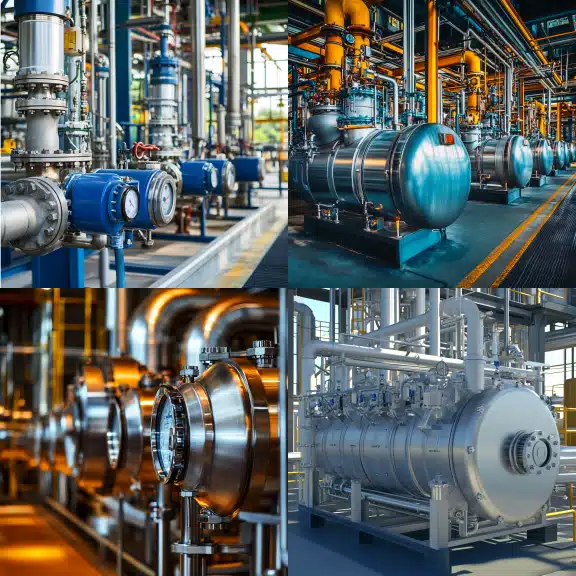
The difference between 2-phase and 3-phase separators lies in their ability to handle different components in oil and gas operations. A 2-phase separator separates gas from liquid, while a 3-phase separator can separate gas, oil, and water into distinct phases. The choice depends on the complexity of the mixture and operational requirements.
The Difference Between 2-Phase and 3-Phase Separators
In the oil and fuel industry, separating hydrocarbons, water, and solids effectively is essential for maintaining performance and safety. The efficiency of this process directly impacts downstream operations. Choosing between a 2-phase and a 3-phase separator is a critical decision. At Red River, we simplify this complexity and help you select the best option for your operation.
The Importance of Effective Separation
Optimized separation techniques enhance production, ensure safety, and reduce costs in oil and fuel operations. Efficient separation of crude oil, natural gas, and water ensures the purity of each component, reduces operational risks, and minimizes environmental impact. At Red River, we specialize in providing reliable pressure vessels designed to meet the unique demands of your separation processes.
What Are 2-Phase and 3-Phase Separators?
Understanding the difference between 2-phase and 3-phase separators is key to choosing the right system for your operation. A 2-phase separator separates gas from liquids, typically oil and water mixtures. In contrast, a 3-phase separator separates gas, oil, and water into three distinct phases for further processing. The primary difference lies in the complexity of the process and the variety of components each separator handles.
Common Applications for 2-Phase vs. 3-Phase Separators
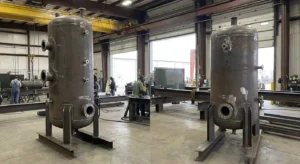
The preference between a 2-section and 3-section separator regularly depends on the precise requirements of your operation. For example, 2-section separators are typically used in scenarios where the primary focus is gas-liquid separation, such as in vertical separators. In contrast, 3-phase separators are essential in oil and fuel fields where isolating gas, oil, and water streams efficiently is required.
Key Differences Between 2-Phase and three-Phase Separators
Understanding the 2-Phase Separator Process
A 2-phase separator uses gravity and specialized internal components to separate gas from liquid, producing cleaner gas and a mixture of oil and water for further treatment. It’s an efficient solution for operations where gas-liquid separation is the primary goal. Learn more about separator types and their applications.
How 3-Phase Separators Work
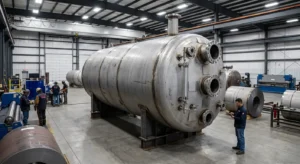
A 3-phase separator goes a step further by separating gas, oil, and water into three distinct streams. This separator includes additional internal systems that facilitate the separation of oil and water. It’s typically used in fields where all three components need isolation for processing or disposal. The role of separator pressure vessels in industry ensures efficient multiphase handling.
Benefits and Limitations of 2-Phase and 3-Phase Separators
2-phase separators are simpler, more cost-effective, and ideal for applications focused on gas-liquid separation. However, they are less effective when handling complex liquid blends. In contrast, 3-phase separators provide more complete separation but come with higher costs and operational complexity. For guidance on vessel performance, check understanding pressure vessels in the oil and gas industry.
Efficiency Comparison: 2-Phase vs 3-Phase Separators
In terms of performance, 3-phase separators offer more complete separation, handling complex multiphase streams efficiently. For simpler applications, however, a 2-phase separator may be more efficient due to its lower operational costs and simpler design. The preference between the 2 depends on your specific operational needs and the complexity of the fluids being processed.
Choosing the Right Separator for Your Operations
Selecting the right separator is crucial to maximizing efficiency and ensuring optimal performance. Consider operational conditions like pressure and temperature that can affect separator performance. If precise separation of gas, oil, and water is required, a 3-phase separator is the better choice.
Factors to Consider in Separator Selection
When selecting among a 2-segment and a 3-phase separator, recollect the precise composition of your process stream. If your operation involves keeping apart fuel from a combination of oil and water, a 2-segment separator may additionally suffice. However, if precise separation of fuel, oil, and water is required, a 3-section separator is the better choice. Additionally, keep in mind the running conditions, together with pressure and temperature, that may affect separator performance.
Cost Implications: 2-Phase vs 3-Phase Separators
Cost is a sizable component in separator choice. 2-phase separators are commonly more value-powerful, with easier designs and decreased upkeep necessities. In comparison, 3-section separators, whilst greater costly, provide extra versatility and might cope with extra complex streams. “It’s essential to weigh the initial investment against long-term operational efficiency.
How Red River Can Help You Decide
At Red River, we’re committed to supporting you find the proper separator in your particular wishes. Our skilled crew can assess your operational necessities and endorse the maximum suitable solution, making sure that your separator investment can provide the most value. With our deep enterprise knowledge and willpower to American values, you may agree with Red River to guide you in making the first-rate desire in your operation.
Ready to Optimize Your Separation Process?
Partner with Red River to select the ideal 2-phase or 3-phase separator for your operation. Our experienced team evaluates your specific needs, ensuring maximum efficiency, safety, and long-term performance.
Contact us today to discover how Red River’s American-made pressure vessels can deliver the reliability and results your operation deserves.
Frequently Asked Questions
1. What are the principle industries that use 2-segment and 3-segment separators?
2-segment and 3-segment separators are critical in several industries, primarily in oil and gasoline, wherein the separation of hydrocarbons, water, and gas is essential for refining and processing. Beyond oil and fuel, those separators are also utilized in petrochemical vegetation, wastewater remedy centers, or even in some food processing operations wherein the separation of liquid stages is important. Their potential to correctly separate distinctive stages makes them versatile equipment throughout various sectors.
2. How do running situations like pressure and temperature affect the performance of 2-segment and 3-phase separators?
Operating situations inclusive of pressure and temperature appreciably affect the performance of both 2-phase and 3-segment separators. Higher pressures can beautify the separation system by way of growing the density distinction between levels, which aids in quicker separation. Temperature can also play an important role; for instance, higher temperatures can reduce the viscosity of drinks, bearing in mind less difficult separation. However, extreme temperatures may also require specialized materials and designs to ensure the integrity and overall performance of the separator below such situations.
3. Can 2-section separators be upgraded to 3-segment separators if the operational wishes trade?
In some cases, 2-section separators may be changed or upgraded to function as 3-segment separators if operational requirements evolve. This upgrade generally includes adding extra inner components, inclusive of weirs or mist extractors, to facilitate the separation of a third segment, normally water. However, it’s vital to assess whether or not the present vessel’s design, including its size and fabric, can accommodate the additional section without compromising performance or protection.
4. What renovation is needed for 2-section and 3-section separators to ensure lengthy-time period performance?
Regular upkeep is vital to ensure the long-term efficiency of each 2-segment and three-section separator. This consists of recurring inspections for put and tear, cleaning of inner components to save you from clogging, and checking for corrosion, especially in separators handling corrosive fluids. Additionally, it’s vital to reveal the performance of the separators regularly, adjusting operations as had to preserve most fulfilling separation performance. Scheduled downtime for thorough inspections and upkeep is likewise advocated to prevent unexpected failures.
5. How do you decide the precise size of a separator for a selected operation?
Determining the right size of a separator includes several elements, along with the go with the flow price of the entering flow, the composition of the phases, and the desired separation performance. Engineers have to keep in mind the most expected float fees and the physical properties of the fluids, which include density and viscosity, to size the separator efficiently. A separator that is too small won’t provide ok separation, leading to operational inefficiencies, even as an outsized separator can be unnecessarily high-priced. Computational fluid dynamics (CFD) modeling and different layout equipment are often used to simulate the separation process and optimize the separator’s size and layout for particular programs.
Key Takeaways:
- 2-Phase Separator: Separates gas and liquid, ideal for simpler applications where oil and water are mixed.
- 3-Phase Separator: Separates gas, oil, and water into distinct streams, offering more comprehensive separation for complex mixtures.
- Cost Efficiency: 2-phase separators are simpler and more cost-effective for gas-liquid separation, while 3-phase separators are more versatile but come with higher costs.
- Application Considerations: Choose a 2-phase separator for simpler applications and a 3-phase separator for operations requiring the separation of all three phases (gas, oil, and water).
Related Blog Post
Which Materials Suit Make-Up Water Service?
How Big Should Make-Up Water Tanks Be?
Make-Up Water Tanks: Design, Sizing, and Fabrication
When to Spec Equalization Tanks for Industrial Systems
How Do Equalization Tanks Balance Flow?
No related articles found.
About Author



