
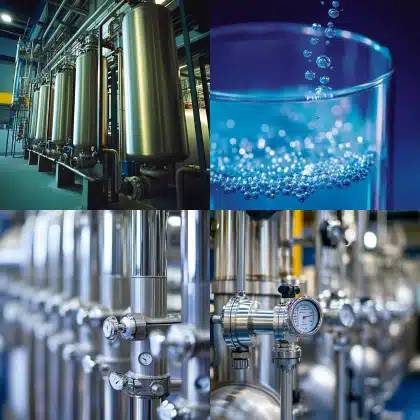
Coalescing agents in filtration systems are essential for merging small droplets into larger ones, improving separation efficiency and system performance. These agents enhance operational reliability, reduce maintenance needs, and extend equipment lifespan. Industries such as oil and gas, power generation, and chemical processing benefit from optimized coalescence processes. RedRiver LLC incorporates these principles into pressure vessel design for safe, efficient, and effective industrial applications. Understanding coalescing agents helps ensure cleaner outputs, cost savings, and regulatory compliance.
Understanding Coalescing Agents in Filtration Systems
Coalescing Agents in Filtration Systems play a critical role in enhancing efficiency, improving separation, and streamlining industrial processes. A coalescing agent plays a crucial role in many commercial procedures, particularly in filtration systems where separating liquids and gases is vital. But what exactly is a coalescing agent? In simple terms, it promotes the fusion of small droplets into larger ones, making them easier to separate from the fluid flow. This process ensures that filtration systems operate efficiently, reducing contamination risks and enhancing overall performance.
The Role of Coalescing Agents in Filtration Systems
Filtration systems are essential for many industries. Coalescing agents improve their functionality by merging small particles into larger ones, simplifying the removal of contaminants. This enhancement boosts filtration efficiency and extends the lifespan of filtration systems. Industries such as biogas, minerals, and chemicals heavily rely on these agents to maintain purity and achieve optimal performance.
Why Coalescing Agents Are Essential in Industrial Applications
Coalescing agents improve separation processes in various industries, including oil and gas, electricity, and manufacturing. They assist in breaking down and removing unwanted materials, enhancing product quality and system longevity. By minimizing wear and tear, these agents save both time and money, making them indispensable in industrial applications.
How Coalescing Agents in Filtration Systems Improve Efficiency
The Mechanism Behind Coalescing Agents
Coalescing agents play a critical role in filtration by merging smaller droplets into larger ones. This process significantly improves the separation of liquids from gases. By reducing the surface tension of dispersed particles, coalescing agents make it easier for droplets to combine and form larger clusters. These larger droplets are then efficiently captured by filtration media, enhancing system performance.
How Coalescing Agents Separate Particles
In filtration systems, separating particles is vital for maintaining purity and efficiency. Coalescing agents group small, dispersed debris into larger particles, which are easier to remove. As these clusters grow heavier, they are more effectively filtered out. This method not only improves the clarity of the filtered substance but also extends the lifespan of the filtration system by reducing the workload on filters.
Enhancing Filtration Efficiency with Coalescing Agents
Incorporating coalescing agents into your filtration system boosts performance and reliability. These agents reduce the need for frequent filter replacements, cut operational costs, and improve the overall quality of the output. At Red River, we prioritize optimized filtration and offer pressure vessels designed to maximize efficiency, ensuring smooth and reliable operations.
Applications of Coalescing Agents in Industrial Filtration Systems
Common Industries Using Coalescing Agents
Coalescing agents play a vital role across industries that require the separation of liquids and gases. The oil and gas industry depends on these agents to purify natural gas and remove contaminants from crude oil. Power generation facilities use them to ensure the clean operation of mills by removing water and particulates from fuel. Additionally, industries such as biogas manufacturing, chemical processing, and water treatment rely on coalescing agents to maintain optimal performance in their operations.
Benefits of Using Coalescing Agents in Particle Separation
Coalescing agents enhance the efficiency of filtration systems by aggregating smaller debris into larger particles, making them easier to capture. This process results in cleaner outputs, whether for purified gasoline, refined oil, or treated water. Additionally, coalescing agents reduce wear and tear on filtration systems, extending their service life and lowering maintenance costs.
Improving Operational Efficiency with Coalescing Agents
Integrating coalescing agents into filtration systems significantly boosts operational performance. These agents reduce the need for frequent replacements, minimize downtime, and ensure consistent product quality. At Red River, we design our pressure vessels to work seamlessly with coalescing agents, providing reliable solutions that increase productivity and lower operational expenses. Our dedication to quality ensures that your systems operate efficiently and deliver exceptional results.
Choosing the Right Coalescing Agent for Your Needs
Factors to Consider When Selecting a Coalescing Agent
Choosing the right coalescing agent is critical for achieving optimal performance in your operation. The first consideration is the type of particles or droplets you need to separate, as different agents are designed for specific materials. Factors like temperature, pressure, and chemical composition also play an important role since these conditions directly impact the agent’s efficiency. Additionally, the agent must be compatible with your filtration system to prevent damage or inefficiencies.
Tailoring Coalescing Agents to Specific Industrial Processes
Every industrial process has unique requirements, and selecting the right coalescing agent is essential. In the oil and gas industry, for instance, agents must handle hydrocarbon separation from water. In power generation, the focus may shift to removing particulates from gas. Understanding your system’s specific challenges allows you to choose an agent that maximizes efficiency and durability. At Red River, we collaborate with you to create customized solutions tailored to your industrial needs.
Expert Tips for Optimizing Coalescing Agent Performance
To get the maximum from your coalescing sellers, everyday tracking and maintenance of your filtration system are critical. Ensure that your sellers are replaced at recommended periods and that your device is operating in the most suitable variety for temperature and pressure. Collaborating with industry professionals like Red River can offer precious insights and recommendations tailored to your unique procedure, making sure that your coalescing retailers carry out at their first-rate. With our information and dedication, we assist you achieve superior results, riding your operations to new degrees of efficiency and achievement.
Coalescing Agents in Filtration Systems
Coalescing agents in filtration systems are critical for improving separation efficiency, operational reliability, and cost-effectiveness. By understanding and applying these agents correctly, industries can enhance product quality, reduce downtime, and extend equipment lifespan. RedRiver LLC integrates these principles into pressure vessel design, ensuring systems operate safely, efficiently, and sustainably.
Need a reliable partner?
Red River specializes in the design and manufacturing of pressure vessels. We also fabricate related items such as prefabricated spools and skid packages.
Reach Out to us today and experience the Red River difference. Where American Made and American Values come together, we care more.
Frequently Asked Questions
1. What is the difference between a coalescing agent and a demulsifier?
A coalescing agent merges small droplets into larger ones for easier filtration, while a demulsifier breaks emulsions by weakening forces holding immiscible liquids together. Both improve separation, but the choice depends on specific system requirements.
2. Can coalescing agents be used for both liquid-liquid and gas-liquid separations?
Yes. In liquid-liquid systems, coalescing agents merge droplets from one phase into another. In gas-liquid systems, they combine liquid droplets suspended in gas for easier filtration.
3. How do you measure the effectiveness of a coalescing agent?
Effectiveness can be measured by:
- Purity and clarity of separated fluids
- Pressure drop across filtration systems
- Reduced filter fouling or wear
4. Are there environmental considerations for coalescing agents?
Yes. Agents should be non-toxic and biodegradable. Proper disposal of used agents and separation byproducts must follow environmental regulations to prevent contamination.
5. Can the same coalescing agent be used across different industries?
Not always. Each industry has specific fluid types, droplet sizes, and operational conditions. Customization is often necessary to ensure optimal performance.
6. How often should coalescing systems be inspected?
Inspection frequency depends on fluid type, contamination level, and operational conditions. Following pressure vessel inspection and maintenance schedules ensures reliable performance.
7. What should a coalescing pressure vessel inspection checklist include?
Key items include droplet separation efficiency, filter condition, system temperature and pressure, and compliance with ASME code for pressure vessel safety.
Key Takeaways
- Coalescing agents merge small droplets into larger masses for improved separation.
- Efficiency depends on particle size, temperature, viscosity, and medium composition.
- Industrial benefits include enhanced filtration, lower costs, and operational reliability.
- RedRiver LLC designs pressure vessels to maximize coalescence while adhering to safety standards.
- Regular monitoring and maintenance ensure consistent performance and regulatory compliance.
Related Blog Post
Which Materials Suit Make-Up Water Service?
How Big Should Make-Up Water Tanks Be?
Make-Up Water Tanks: Design, Sizing, and Fabrication
When to Spec Equalization Tanks for Industrial Systems
How Do Equalization Tanks Balance Flow?
No related articles found.
About Author



