
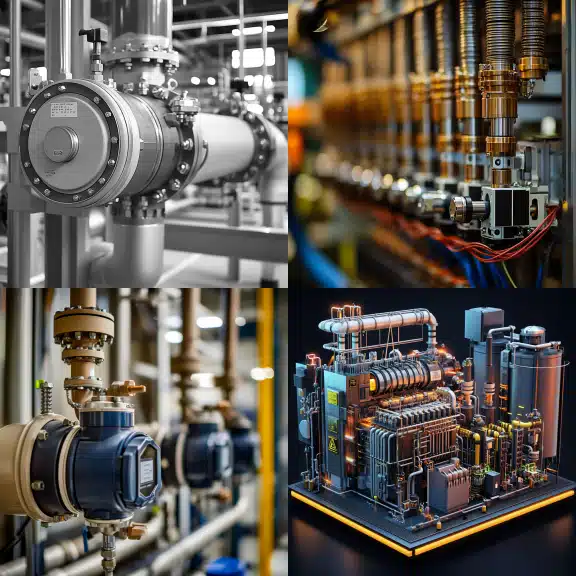
A 2-phase system in industrial applications is essential for efficiently separating and handling liquids and gases, particularly in industries like oil and gas, power generation, and chemical processing. These systems help improve efficiency, reduce costs, and enhance sustainability in various industrial processes
What is a 2-Phase System?
A 2-phase system in industrial applications is a critical component for many industrial operations, particularly in the oil and gas sectors. These systems are essential for efficiently separating and handling liquids and gases. But what exactly does a 2-phase system do, and why is it so vital for industrial processes? Let’s break it down.
Defining 2-Phase Systems
Simply put, a 2-phase system in industrial applications facilitates the simultaneous movement of two substances typically liquid and gas within the same device. This system is essential for ensuring efficient fluid separation, making it indispensable across various industries. Understanding its functionality is key to optimizing its performance and maximizing its benefits.
Importance of 2-Phase Systems in Industrial Applications
Why are 2-phase systems so widely used in different industries? Their popularity stems from their ability to boost efficiency and streamline processes. For example:
- Oil and Gas: These systems are regularly employed to separate fuel from liquids, ensuring each phase is processed effectively.
- Electricity Generation: 2-phase systems help manage heat exchange, which is critical for maintaining optimal operating conditions.
- Manufacturing and Energy Production: By preserving pipeline integrity and reducing operational costs, these systems help improve efficiency and lower costs.
Key Components of a 2-Phase System
A 2-phase system in industrial applications comprises carefully designed components that work together to ensure precise fluid and gas separation. These components typically include:
- Phase Separators: Devices that effectively separate liquids and gases.
- Flow Meters: Instruments that monitor and control the rate of fluid flow.
- Heat Exchangers: Tools that regulate heat exchange, crucial for energy applications.
Each of these components contributes to the system’s overall success, ensuring reliable performance.
The Working Principles of 2-Phase Systems in Industrial Applications
How Does a 2-Phase System Operate?
A 2-phase system works by guiding liquid and gas through distinct pathways to prevent blending. It relies on precise mechanical processes to maintain balance between the two phases. This careful regulation ensures efficient operation, whether in oil and gas processing, energy production, or other industrial applications.
The Science Behind 2-Phase Flow
The technological expertise behind 2-Phase System in Industrial Applications enables the efficient movement of liquid and gas through the device. Factors such as pressure, temperature, and flow rate significantly impact their operation. Understanding these dynamics is essential for optimizing machine performance and preventing issues like improper phase separation or pressure drops.
Common Challenges in 2-Phase Systems and Their Solutions
2-phase structures often face challenges such as uneven phase distribution, pressure fluctuations, and unstable flow. Addressing these issues typically requires robust engineering and regular maintenance to ensure efficient and dependable operations. At Red River, we focus on designing systems that overcome these obstacles, ensuring reliable performance and green solutions for industrial processes.
Benefits of Using a 2-Phase System
2-phase systems offer numerous benefits, including:
- Cost-Effectiveness: By reducing the need for additional equipment, these systems streamline processes and conserve resources, lowering operational expenses.
- Reliability: These systems ensure consistent performance across various conditions, reducing downtime and improving efficiency.
- Sustainability: 2-phase systems enhance sustainability by optimizing energy usage and reducing waste, leading to productivity gains even in demanding settings.
Cost-Effectiveness in Industrial Settings
2-phase systems are also known for reducing operating costs. By simplifying tasks such as separation and heat exchange, these systems minimize the need for additional equipment, streamlining processes and conserving resources. This reduction in operational complexity ensures maximum resource utilization while lowering expenses.
Enhancing System Reliability and Performance
Reliability is vital for industrial operations, and 2-phase systems excel in this regard. By maintaining clear separation between phases, these systems ensure consistent performance across different conditions. Their enhanced reliability leads to fewer disruptions, reduced downtime, and improved operational efficiency.
Need a reliable partner?
Red River specializes in the design and manufacturing of pressure vessels. We also fabricate related items such as prefabricated spools and skid packages.
Reach Out to us today and experience the Red River difference. Where American Made and American Values come together, we care more.
Frequently Asked Questions
What industries commonly use 2-phase systems?
2-segment systems are widely used in industries where separating liquid and fuel phases is crucial. Key industries include:
- Oil and Gas: These systems isolate natural gas from crude oil during extraction and processing.
- Power Generation: They support electricity generation by optimizing fuel and water separation processes.
- Chemical Processing: Systems such as reactors and distillation columns rely on them to manage and separate materials for production.
- Pharmaceuticals: Used in the manufacturing of medications where accurate liquid separation ensures high-quality production.
These industries depend on the reliability and efficiency of 2-segment systems to maintain productivity and achieve top-rated performance.
How do 2-segment systems contribute to power efficiency?
2-phase systems enhance energy efficiency by effectively managing fluid and fuel levels, reducing waste, and maximizing heat transfer. This is particularly important in energy-intensive applications like power generation, where minimizing energy consumption is key.
What challenges arise in maintaining 2-segment systems, and how can they be addressed?
Maintaining 2-segment systems often involves dealing with these common challenges:
- Phase Imbalance: An uneven liquid-to-gas ratio can lead to inefficiencies or damage. Regular monitoring and adjustments are critical.
- Pressure Drops: Sudden pressure drops may disrupt separation processes. Monitoring systems and pressure control valves can prevent these issues.
- Corrosion: Exposure to incompatible materials can corrode system components. Using corrosion-resistant materials and performing regular inspections can mitigate this risk.
By focusing on preservation strategies, proper material selection, and frequent inspections, these challenges can be effectively managed, ensuring long-term reliability.
What factors must be considered when designing a 2-section device?
When designing a 2-segment system, several critical elements must be considered:
- Flow Rates: Maintaining an appropriate liquid and gas flow rate is crucial for stable performance.
- Material Compatibility: The materials used must resist corrosion and degradation while meeting specific application requirements.
- Operating Conditions: Factors such as pressure and temperature impact the system’s overall design and performance.
- Phase Separation Requirements: Devices should be tailored to meet specific separation needs for optimal efficiency.
These considerations are essential to ensure the system operates effectively and handles liquid and gas levels with precision.
How can the performance of a 2-segment device be optimized?
Optimizing the performance of a 2-section machine includes several techniques:
- Advanced Monitoring: Utilizing actual-time monitoring structures to music segment conduct, pressure, and float fees can help quickly perceive and deal with issues earlier than they affect performance.
- Regular Maintenance: Routine inspections and upkeep make sure that all components are functioning efficaciously and that put and tear do now not lead to inefficiencies or failures.
- System Calibration: Regular calibration of sensors, float meters, and other vital additives guarantees that the machine operates within its designed parameters.
- Integration of Automation: Implementing automation and managing structures can decorate the precision of segment management, reducing human mistakes and enhancing normal performance.
Key Takeaways:
- 2-phase systems facilitate the simultaneous handling of liquid and gas, ensuring efficient separation and processing.
- Key components include phase separators, flow meters, and heat exchangers, all contributing to the system’s reliable performance.
- Industries like oil and gas, power generation, and pharmaceuticals rely heavily on 2-phase systems for improved efficiency, reduced operational costs, and enhanced system reliability.
- These systems help address challenges such as phase imbalance, pressure fluctuations, and unstable flow, ensuring smooth operations.
- Proper maintenance and system optimization are crucial for maximizing performance and minimizing downtime.
Related Blog Post
Pressure Vessel Design & Engineering: Concept to Launch
What is Pressure Vessel Design and Engineering: Code-Ready Guide
What are the Key Factors in Pressure Vessel Engineering
How Do You Design a Pressure Vessel: A Step-By-Step Guide
What is Pressure Vessel Fabrication and Manufacturing
No related articles found.
About Author



