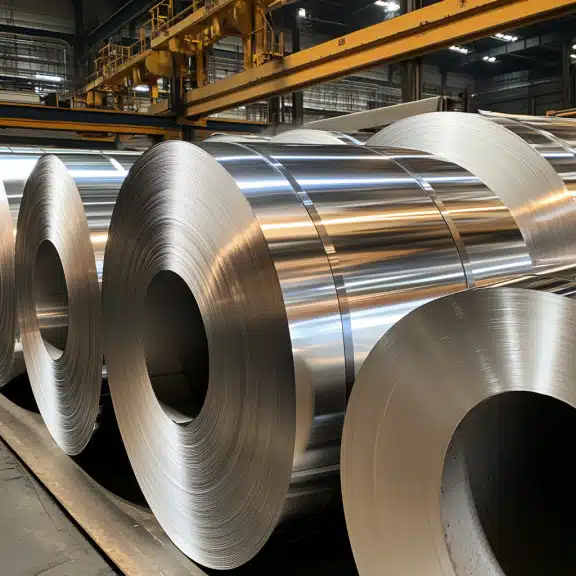
Introduction to 316 Stainless Steel
316 chrome steel, recognized for its high-quality corrosion resistance and strength, is the cloth of preference for traumatic environments. It’s no longer just metallic; it is a testament to resilience, embodying the American values of difficult work and reliability that Red River stands for.
The Significance of 316 Stainless Steel in Industry
From oil and gas to biogas, the packages of 316 stainless steel are various because of the industries we serve. Its extraordinary durability makes it necessary to grow solutions that are now not the best ultimate but additionally force development in each area.
Step-by using-Step Guide to Making 316 Stainless Steel
Initial Melting and Casting
Our journey starts with melting and casting, wherein precision and control set the degree for excellence. It’s right here that the foundation of first-rate is laid, one pour at a time.
Forming the Stainless Steel
Shaping the future, literally. Our forming tactics, from rolling to forging, are designed to produce the most powerful and maximum resilient stainless-steel, geared up to tackle any task.
Heat Treatment Processes
Heat treatment is in which power meets flexibility. Our carefully managed strategies ensure that each piece of 316 stainless steel can resist extreme conditions at the same time as maintaining its integrity.
Descaling and Surface Treatment
A flawless finish is not pretty much aesthetics; it’s about overall performance. Our descaling and floor remedies beautify resistance to corrosion, making sure of longevity and reliability.
Cutting and Shaping Techniques
Precision is fundamental, and our modern-day techniques make sure that every cut, and every shape is ideal. It’s about crafting answers that suit you precisely, without compromise.
Advanced Techniques in 316 Stainless Steel Production
Argon Oxygen Decarburization Process
Our dedication to excellence is meditated in our use of superior procedures like argon oxygen decarburization, making sure that each batch of 316 stainless steel exceeds expectations.
Need a reliable partner?
Red River specializes in the design and manufacturing of pressure vessels. We also fabricate related items such as prefabricated spools and skid packages.
Reach Out to us today and experience the Red River difference. Where American Made and American Values come together, we care more.
FAQ: Understanding 316 Stainless Steel in Pressure Vessel Manufacturing
Why is 316 stainless steel favored for pressure vessel production over different forms of chrome steel?
316 stainless steel is preferred for its advanced corrosion resistance, particularly in environments that can be exposed to corrosive elements like salt water or harsh chemicals. This is because it adds molybdenum, which drastically enhances its corrosion resistance in comparison to different stainless steels, along with 304. Additionally, 316 chrome steel offers high-quality sturdiness and strength, making it best for high-pressure packages in diverse industries, together with oil and gas, biogas, and prescription drugs.
Can 316 stainless steel pressure vessels be utilized in excessive temperatures?
Yes, 316 stainless-steel pressure vessels are capable of withstanding intense temperatures, both high and occasional. Its excessive chromium and nickel content material offer the right heat resistance, making it appropriate for programs regarding hot techniques. On the flip side, 316 stainless steel also continues its power and sturdiness at cryogenic temperatures, making it flexible for an extensive range of temperature-associated programs.
How does the producing technique of 316 chrome steel pressure vessels ensure safety and compliance?
The manufacturing method of 316 stainless steel pressure vessels entails stringent nice manage measures at each step, from the initial melting and casting to the very last warmth treatment and floor completion. Each vessel undergoes rigorous checking out for chemical composition and mechanical properties to make certain it meets or exceeds enterprise standards, along with the ones set via the American Society of Mechanical Engineers (ASME). This complete method guarantees every vessel’s protection, reliability, and compliance with regulatory necessities.
What are the environmental influences of manufacturing 316 stainless steel, and how does Red River deal with them?
Manufacturing 316 stainless steel, like any commercial technique, could have environmental influences, along with power intake and emissions. However, Red River addresses these worries by imposing sustainable production practices, such as recycling scrap metal, using electricity-efficient production technologies, and adhering to strict environmental policies. Additionally, the sturdiness and toughness of 316 stainless steel contribute to its sustainability, as merchandise made from this fabric requires much less frequent alternatives and preservation.
How does the choice of 316 stainless steel affect the renovation and lifespan of pressure vessels?
Choosing 316 stainless steel for pressure vessels substantially enhances their preservation profile and lifespan. Its exquisite corrosion resistance reduces the need for common maintenance and maintenance, specifically in corrosive environments. This way lowers lengthy-term fees and less downtime for upkeep. Furthermore, 316 chrome steel’s durability ensures that pressure vessels can withstand demanding conditions for longer periods, offering better investment value over time.
Related Blog Post
Condensate Tanks: Types, Fabrication, and ASME Code
Which Tests Validate Deaeration in Pressure Systems?
Equalization Tanks: Design, Sizing, and Fabrication
What Are Thermal Storage Testing Standards for TES Vessels?
What Hydro Tests Are Required for Pressure Vessels?
About Author