Understanding the 4 Types of Stainless Steel: A Comprehensive Guide

Overview of Stainless Steel
Stainless steel is a corrosion-resistant alloy composed generally of iron, with chromium as its key alloying detail. This precise composition paperwork a shielding oxide layer on the surface, improving its resistance to rust, stains, and corrosion.
Properties of Stainless Steel
Stainless metallic exhibits an extensive range of houses, such as high strength, sturdiness, and aesthetic enchantment. Its resistance to warmth, chemicals, and put-on makes it appropriate for various programs across industries.
Classification of Stainless Steel
Austenitic Stainless Steel
Austenitic chrome steel is famous for its outstanding corrosion resistance, ductility, and formability. Commonly utilized in meal processing devices, chemical tanks, and architectural packages, this form of stainless steel gives versatility and reliability in disturbing environments.
Characteristics of Austenitic Stainless Steel
- High corrosion resistance
- Excellent formability and weldability
- Non-magnetic properties
Common Applications of Austenitic Stainless Steel
- Food processing device
- Chemical processing vessels
Architectural structures
Ferritic Stainless Steel
Ferritic stainless steel is valued for its magnetic properties, high corrosion resistance, and affordability. Ideal for car additives, kitchen utensils, and ornamental trim, ferritic chrome steel offers power and aesthetic appeal in diverse programs.
Characteristics of Ferritic Stainless Steel
- Magnetic houses
- Good corrosion resistance
- Lower carbon content material
Common Applications of Ferritic Stainless Steel
- Automotive exhaust structures
- Kitchen Appliances
Decorative trim
Martensitic Stainless Steel
Martensitic stainless steel gives excessive strength, hardness, and resistance, making it suitable for reducing equipment, surgical devices, and industrial devices. With its warmth-treatable residences, martensitic stainless steel promises fantastic performance in traumatic environments.
Characteristics of Martensitic Stainless Steel
- High strength and hardness
- Good corrosion resistance
- Hardenable through heat remedy
Common Applications of Martensitic Stainless Steel
- Cutting equipment
- Surgical device
Industrial device
Duplex Stainless Steel
Duplex stainless steel combines the exceptional attributes of austenitic and ferritic stainless steel, providing more desirable strength, corrosion resistance, and weldability. Widely used in offshore oil systems, chemical processing flowers, and desalination systems, duplex stainless steel provides incredible overall performance in harsh environments.
Characteristics of Duplex Stainless Steel
- High power and corrosion resistance
- Good weldability
- Balanced microstructure
Common Applications of Duplex Stainless Steel
- Offshore oil platforms
- Chemical processing device
- Desalination systems
Need a reliable partner?
FAQ's
What are the main variations among austenitic and ferritic stainless steel?
Austenitic chrome steel is non-magnetic and offers excellent corrosion resistance and formability, making it ideal for programs where hygiene and aesthetics are critical, such as in meal processing devices. On the other hand, ferritic stainless steel is magnetic and recognized for its high corrosion resistance and affordability. It’s usually used in automotive exhaust systems and kitchen home equipment where strength and durability are prioritized over non-magnetic homes.
Can martensitic stainless steel be welded?
Yes, martensitic stainless steel can be welded, however, it requires preheating and publish-weld warmness treatment to limit the chance of cracking and brittleness. Proper welding techniques and techniques, alongside the choice of suitable filler materials, are essential to accomplishing high-quality welds with martensitic chrome steel.
What are the benefits of duplex stainless steel over other styles of stainless steel?
Duplex stainless steel gives a unique combination of high electricity, extremely good corrosion resistance, and desirable weldability, making it enormously suitable for annoying packages in aggressive environments. Its duplex microstructure affords improved resistance to pressure corrosion cracking and pitting corrosion compared to austenitic and ferritic stainless steels.
How does the composition of stainless steel affect its performance in pressure vessel packages?
The composition of stainless steel, mainly the percentage of alloying factors like chromium, nickel, and molybdenum, considerably impacts its mechanical residences and corrosion resistance. Higher chromium content material complements corrosion resistance, at the same time as the addition of nickel improves ductility and sturdiness. Molybdenum contributes to multiplied resistance to chloride-brought-on corrosion in aggressive environments.
What elements must I recollect while choosing the proper stainless steel for my pressure vessel?
When choosing the ideal stainless steel for your pressure vessel, elements along with running situations (temperature, pressure, and corrosive environment), mechanical properties required (strength, ductility), fabrication necessities, and cost considerations have to be taken into account. Consulting with skilled professionals and carrying out thorough material testing can assist ensure the choicest choice for your precise software.
Related Blog Post
- Is stainless steel easy to form?
- How is 316 stainless steel made?
- Is stainless steel hard to produce?
- Why stainless steel does not rust?
- Why is stainless steel not magnetic?
- Is stainless steel stronger than steel?
- Is stainless steel expensive to make?
- What are the 3 grades of stainless steel?
- What makes stainless steel so expensive?
- Why isn't everything made out of stainless steel?
- What country produces the most stainless steel?
Solutions
In the realm of industrial solutions, Red River emerges as a pioneer, offering a diverse range of custom-engineered products and facilities. Among our specialties is the design and production of Custom/OEM Pressure Vessels, meticulously crafted to meet individual client requirements, ensuring performance under various pressure conditions. Our expertise extends to the domain of prefabrication, where Red River leads with distinction.
The company excels in creating prefabricated facilities, modules, and packages, reinforcing its stance as a forerunner in innovation and quality. This proficiency is further mirrored in their Modular Skids offering, where they provide an array of Modular Fabricated Skid Packages and Packaged equipment. Each piece is tailored to client specifications, underlining their commitment to delivering precision and excellence in every project they undertake.


Related Blog Post
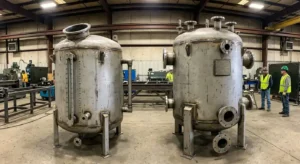
Condensate Tanks: Types, Fabrication, and ASME Code
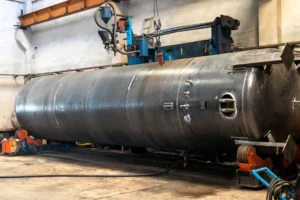
Which Tests Validate Deaeration in Pressure Systems?
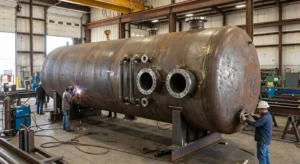
Equalization Tanks: Design, Sizing, and Fabrication
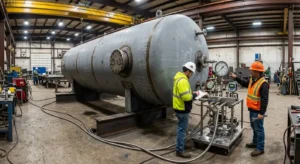
What Are Thermal Storage Testing Standards for TES Vessels?
What Hydro Tests Are Required for Pressure Vessels?
No subpillar set for this blog post.
About Author