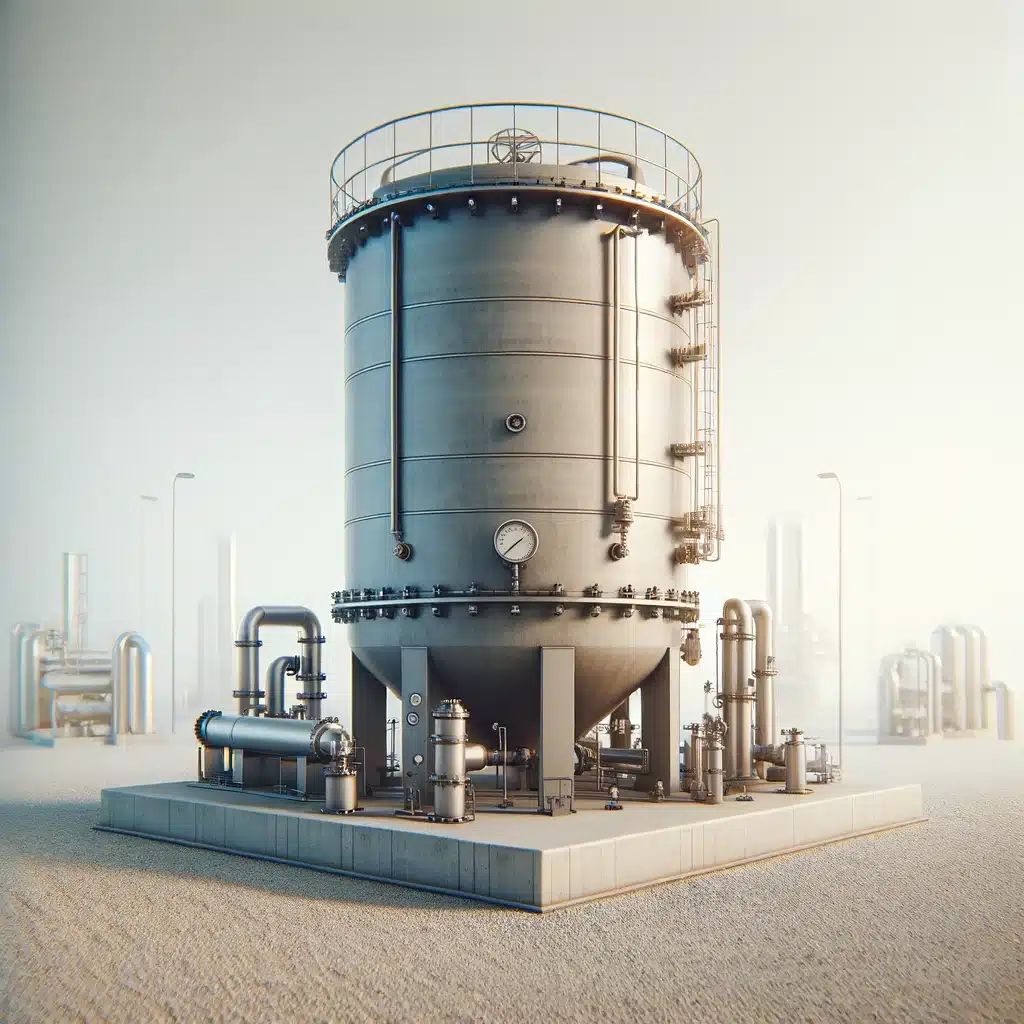
Process Flow of a Separator
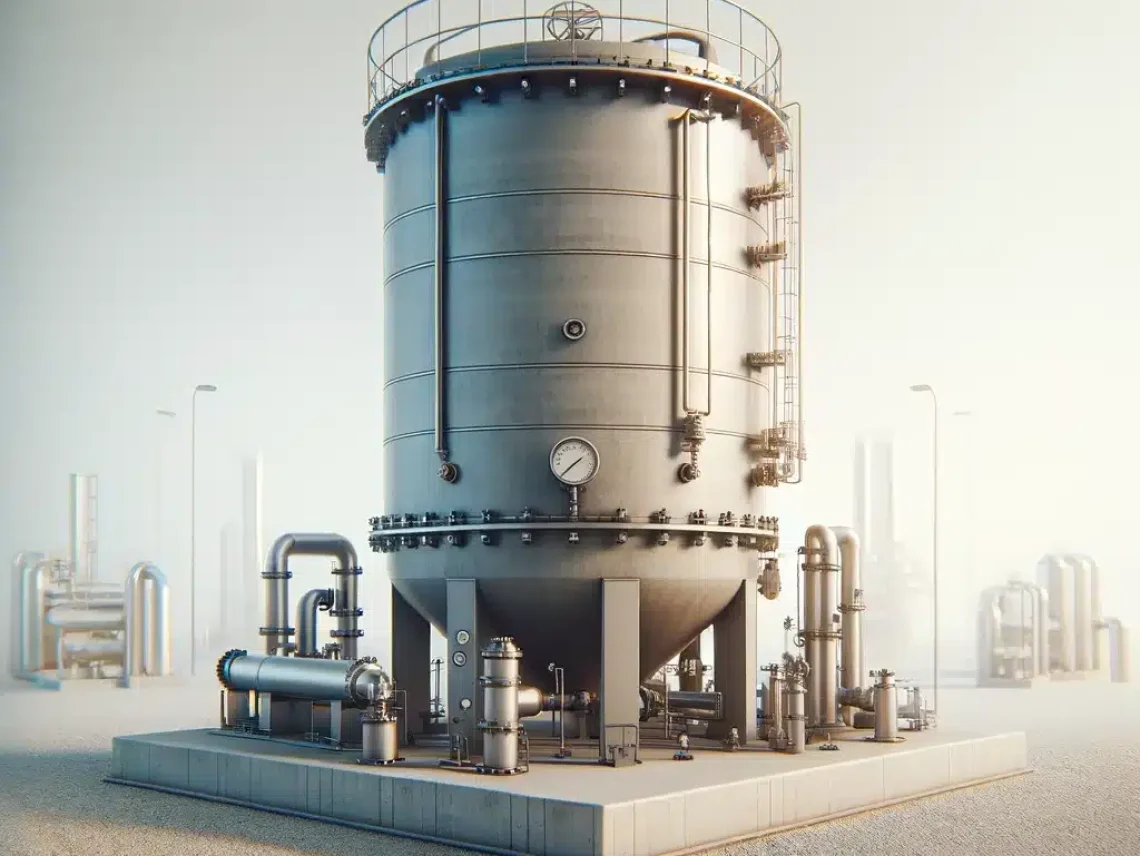
Pressure Control Mechanisms
Pressure manipulation mechanisms play a crucial role in ensuring the efficient operation of a separator, particularly in applications where stress regulation is critical. These mechanisms help maintain optimal strain levels within the separator, ensuring consistent performance. Furthermore, they prevent issues such as over-pressurization or pressure fluctuations. By carefully managing pressure levels, separators achieve precise material separation, tailored to the properties of the input mixture.
Initial Separation Stage
Introduction of Mixture
To begin the process, the mixture enters the separator. This mixture may consist of beverages, gases, or solids, depending on the specific application. Our separators handle diverse mixtures with exceptional precision and reliability.
Gravity Separation
Next, gravity takes over, playing a key role in the separation process. Heavier components settle at the bottom, while lighter ones rise to the top. Consequently, this gravitational separation prepares the stage for further refinement during subsequent steps.
Secondary Separation Stage
Further Filtration Process
Next, the mixture undergoes advanced filtration to enhance the separation. Using state-of-the-art mechanisms, our separators thoroughly remove any remaining impurities, ensuring a pure final product.
Removal of Remaining Impurities
At this stage, separators eliminate any remaining impurities or undesirable additives from the aggregate. Equipped with advanced technology, our systems deliver high levels of purity and performance while meeting stringent industry standards.
Final Product Collection
Collection Mechanisms
After completing the separation process, separators gather the final products and distribute them to designated collection points. Precision-engineered mechanisms ensure seamless retrieval and minimize wastage.
Quality Control Measures
Throughout the process, maintaining strict quality control remains a top priority. At Red River LLC, we implement rigorous control measures to ensure the integrity and purity of the separated materials. Each separator undergoes meticulous inspection to guarantee optimal performance and reliability.
Need a reliable partner?
FAQ
What are the different types of separators used in pressure vessel applications?
Several types of separators are used in pressure vessel applications, each catering to specific separation needs. These include gravity separators, centrifugal separators, coalescing separators, and magnetic separators. Gravity separators utilize the force of gravity to separate substances based on their differing densities. Meanwhile, centrifugal separators rely on centrifugal force to achieve separation.
How does the process flow of a separator vary depending on the type of application?
The process flow of a separator can vary significantly depending on the specific application and the type of separator used. For instance, in the oil and gas industry, separators often separate oil, gas, and water components from produced fluids. This process typically involves initial separation in the primary chamber, followed by secondary stages to remove remaining impurities.
What factors should be considered when selecting a separator for a pressure vessel?
When selecting a separator, consider the properties of the substances to be separated, such as density, viscosity, and particle size distribution. Additionally, evaluate separation efficiency, operating pressure and temperature conditions, available installation space, and compliance with industry standards. Overall cost-effectiveness is also crucial for choosing the right separator.
How can I ensure optimal performance and efficiency of a separator within my pressure vessel system?
When selecting a separator, consider the properties of the substances to be separated, such as density, viscosity, and particle size distribution. Additionally, evaluate separation efficiency, operating pressure and temperature conditions, available installation space, and compliance with industry standards. Overall cost-effectiveness is also crucial for choosing the right separator.
What are some common challenges associated with separators in pressure vessel applications, and how can they be addressed?
Common challenges include fouling or clogging of filtration components, fluctuating operating conditions, and inadequate separation efficiency. Address these issues through regular maintenance, implementing appropriate filtration technologies, and optimizing process parameters for consistent performance.
Solutions
In the realm of industrial solutions, Red River emerges as a pioneer, offering a diverse range of custom-engineered products and facilities. Among our specialties is the design and production of Custom/OEM Pressure Vessels, meticulously crafted to meet individual client requirements, ensuring performance under various pressure conditions. Our expertise extends to the domain of prefabrication, where Red River leads with distinction.
The company excels in creating prefabricated facilities, modules, and packages, reinforcing its stance as a forerunner in innovation and quality. This proficiency is further mirrored in their Modular Skids offering, where they provide an array of Modular Fabricated Skid Packages and Packaged equipment. Each piece is tailored to client specifications, underlining their commitment to delivering precision and excellence in every project they undertake.


Related Blog Post
Condensate Tanks: Types, Fabrication, and ASME Code
Which Tests Validate Deaeration in Pressure Systems?
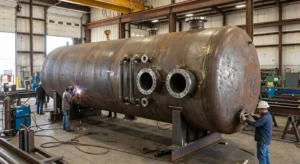
Equalization Tanks: Design, Sizing, and Fabrication
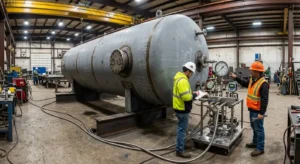
What Are Thermal Storage Testing Standards for TES Vessels?
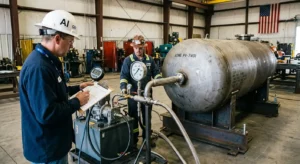
What Hydro Tests Are Required for Pressure Vessels?
No subpillar set for this blog post.
About Author