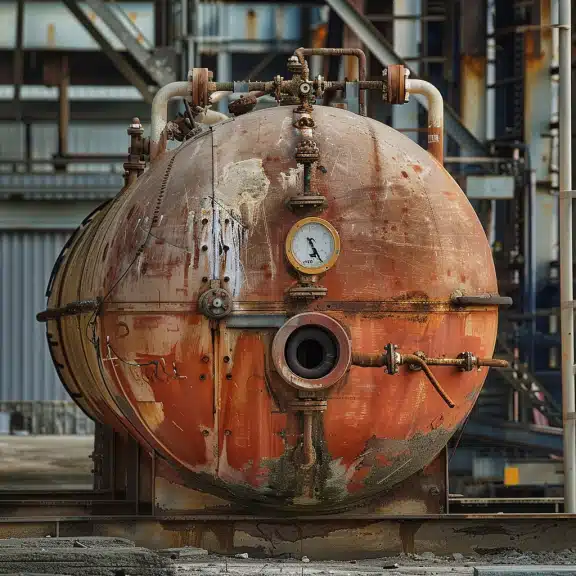
Understanding the Disadvantages of Pressure Tanks

Introduction to Disadvantages of Pressure Tanks
Pressure tanks, necessary in diverse business packages, save pressurized air or water to ensure a consistent supply. However, like several eras, they arrive with their very own set of demanding situations.
Disadvantages of Pressure Tanks: Importance of Knowing Pressure Tank Drawbacks
Understanding these drawbacks is crucial for the industries we serve, together with industrial/public works and minerals/elements sectors. It guarantees you select the right solution for your unique needs.
Common Issues with Disadvantages of Pressure Tanks Systems
Frequent Maintenance Requirements
Regular preservation is key to ensuring the durability and performance of pressure tanks. At Red River, we provide protection solutions that decrease downtime and ensure safety.
Disadvantages of Pressure Tanks: Challenges in Pressure Regulation
Maintaining consistent pressure is important for operational performance. Our team at Red River is professional in navigating these demanding situations, providing solutions that keep gold standard pressure tiers.
Disadvantages of Pressure Tanks: Potential for Water Contamination
Ensuring the purity of contents in pressure tanks is a pinnacle of precedence. We put into effect stringent first-class management measures to prevent contamination.
The Financial Aspect: Cost and Efficiency
Initial Installation Costs
While the in-advance fee can be significant, our team works to offer fee-powerful answers without compromising on first-class.
Disadvantages of Pressure TanksLong-Term Operational Expenses
We recognize the importance of coping with long-term expenses. Our pressure tanks are designed for efficiency and sturdiness, reducing general charges.
Disadvantages of Pressure Tanks: Comparing Efficiency with Alternative Systems
We assist you evaluate pressure tanks with other options, ensuring you are making a preference that aligns together with your monetary and operational dreams.
Disadvantages of Pressure Tanks: Safety and Health Implications
Risks of Pressure Tank Failures
With our dedication to protection manner, we lay our tanks to decrease the risks of failures, protecting each of your group and operations.
Health Concerns with Pressure Tanks
We adhere to strict fitness standards to ensure our tanks do now not pose any health risks.
Need a reliable partner?
FAQ Section: Understanding Disadvantages of Pressure Tanks
What are the important thing factors to keep in mind while selecting a pressure tank for a selected software?
When selecting a pressure tank, recall the tank’s capacity, material compatibility (stainless steel, carbon metal, and many others.), operating pressure variety, and the particular necessities of your software, consisting of temperature sensitivity or chemical resistance. It’s also essential to assess the distance available for set up and any regulatory compliance particular for your industry.
How does the material of a pressure tank affect its overall performance and durability?
The material of a pressure tank plays an essential role in its overall performance and toughness. Stainless steel tanks offer amazing corrosion resistance, making them ideal for harsh environments or for storing corrosive materials. Carbon metal tanks, whilst more cost-powerful, may also require extra coatings for corrosion resistance. The desire for material affects the tank’s sturdiness, maintenance desires, and suitability for specific forms of contents.
Can pressure tanks be customized to meet specific enterprise requirements, along with biogas or mineral extraction?
Yes, pressure tanks may be customized to meet particular industry necessities. For biogas packages, tanks may be designed to handle the corrosive nature of biogas and the unique pressure necessities. In mineral extraction, tanks can be tailored to withstand abrasive materials and fluctuating pressure situations. Customization can include precise linings, coatings, and adjustments in design to cater to particular operational needs.
What are the standard maintenance practices required for pressure tanks to ensure protection and efficiency?
Typical preservation practices for pressure tanks encompass normal inspections for corrosion, leaks, and structural integrity. Pressure remedy valves must be tested to make certain they perform efficaciously. It’s also critical to reveal and hold the ideal pressure tiers and to check for any sediment buildup or infection inside the tank. Regular renovation allows the early identification of ability troubles, ensuring safety and operational efficiency.
How do environmental factors like temperature and humidity affect the performance of pressure tanks?
Environmental factors consisting of temperature and humidity can drastically affect the overall performance of pressure tanks. Extreme temperatures can impact the pressure within the tank, with high temperatures potentially increasing the internal pressure and occasional temperatures likely decreasing it. Humidity can contribute to outside corrosion, especially in tanks fabricated from materials susceptible to rust. Therefore, it is essential to not forget environmental conditions while designing and placing pressure tanks and to implement protective measures like insulation or coatings as needed.
Related Blog Post
- How to design pressure tank?
- Do water pressure tanks leak?
- Why do well pressure tanks fail?
- Can a pressure tank be too small?
- Does pressure tank use electricity?
- What is the lifespan of a pressure tank?
- Can you have too big of a pressure tank?
- Can you add air to a pressure tank with water in it?
- How big of a pressure tank do you need for a house?
- What happens if you have too much air in pressure tank?
Solutions
In the realm of industrial solutions, Red River emerges as a pioneer, offering a diverse range of custom-engineered products and facilities. Among our specialties is the design and production of Custom/OEM Pressure Vessels, meticulously crafted to meet individual client requirements, ensuring performance under various pressure conditions. Our expertise extends to the domain of prefabrication, where Red River leads with distinction.
The company excels in creating prefabricated facilities, modules, and packages, reinforcing its stance as a forerunner in innovation and quality. This proficiency is further mirrored in their Modular Skids offering, where they provide an array of Modular Fabricated Skid Packages and Packaged equipment. Each piece is tailored to client specifications, underlining their commitment to delivering precision and excellence in every project they undertake.


Related Blog Post
Can Condensate Storage Improve Reliability?
Where Do Condensate Tanks Fit in a Steam System?
Which Nozzles Simplify Maintenance on Pressure Vessels?
How to Vent Condensate Tanks in Steam Systems
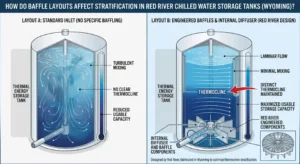
How Do Baffle Layouts Affect Stratification in TES Tanks?
No subpillar set for this blog post.
About Author