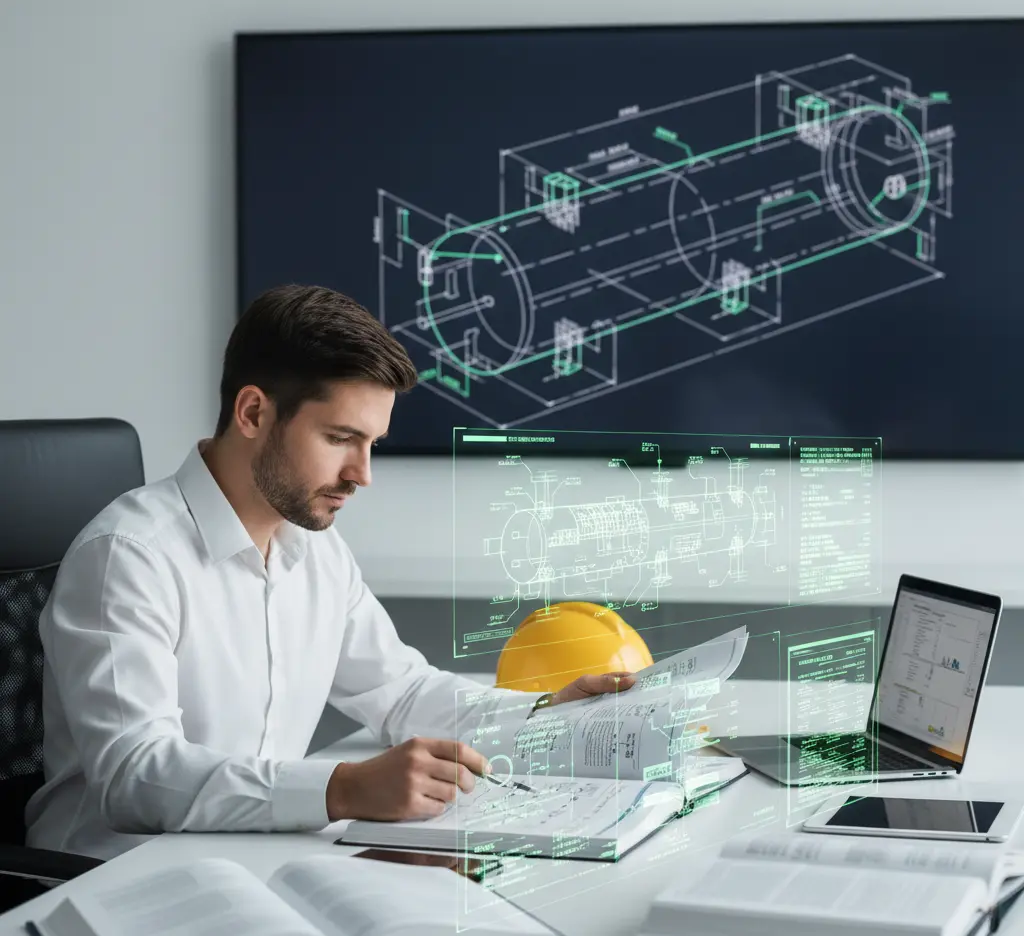
The ASME code for pressure vessel safety sets rules for design, materials, welding, inspection, and documentation. Following it ensures vessels operate safely, reduces risk, and meets regulatory requirements. RedRiver LLC helps translate these standards into practical engineering and fabrication practices.
What is ASME Code for Pressure Vessel Safety in Design and Engineering
What is ASME code for pressure vessel safety is the cornerstone of pressure vessel design, guiding engineers from initial concept to final documentation. The code establishes clear technical rules for wall thickness, material selection, weld qualification, and final testing before a vessel enters service. By adhering to these rules, engineers avoid guesswork and ensure alignment with recognized Pressure Vessel Safety Standards and Compliance.
When engineers ask what is ASME code for pressure vessel safety during design, they are essentially translating operating pressures, temperatures, and loads into a safe, buildable vessel. The code provides formulas for allowable stresses, joint efficiencies, and corrosion allowances. Following these rules simplifies discussions with regulators, owners, and inspectors, ensuring compliance at every stage.
Materials, Stresses, and Overall Integrity
At its core, what is ASME code for pressure vessel safety addresses materials and mechanical behavior. The code defines allowable stress values and acceptable materials for different temperatures, allowing designers to select plates, heads, and nozzles that maintain strength under operating conditions.
The code guides corrosion and erosion considerations, with engineers adding thickness for long-term safety. Structural details like openings, supports, and attachments follow ASME pressure vessel rules. Reinforcing nozzles, designing manways, and supporting vessels per ASME pressure vessel rules ensures safe load transfer, maintaining integrity and reducing overstress or fatigue risks.
Welding in Pressure Vessel Engineering and the Role of Fabrication
Welding is a critical aspect of pressure vessel safety. In Pressure Vessel Engineering, welding joins plates, heads, and fittings to create a continuous pressure boundary. Because welds can be high-stress points, the ASME code prescribes controlled procedures. Written welding procedure specifications define variables like process type, filler material, preheat, and interpass temperature. Test coupons qualify each procedure before production welding.
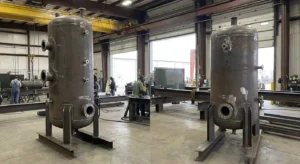
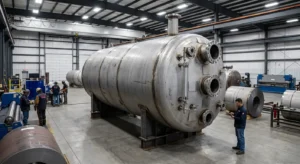
Daily fabrication practices follow these codes. Shop welders join shell courses, attach heads, install nozzles, weld saddles or legs, and secure internal components. Common welding methods include manual shielded metal arc, gas tungsten arc, and flux-cored arc welding, selected based on material, thickness, and required toughness. Each weld aligns with ASME code safety requirements.
RedRiver LLC treats welding as a central pillar of quality. By qualifying welders, maintaining procedures, and integrating inspection into fabrication workflows, every weld meets both the letter and spirit of the ASME code.
Inspection, Testing, and Documentation Under the Code
Understanding what is ASME code for pressure vessel safety also means recognizing required inspections and tests. Before, during, and after fabrication, vessels undergo visual inspection, radiographic or ultrasonic examination, and hydrostatic or pneumatic tests. These tests validate compliance with Pressure Vessel Safety Standards.
Owners and regulators rely on nameplate stamps and detailed data reports showing design conditions, materials, and test results. This documentation demonstrates the vessel was built under supervision of an authorized inspector.
Ongoing inspections for in-service vessels draw from original code conditions. Risk-based inspection programs rely on ASME guidelines for intervals, methods, and acceptance criteria. Detailed records weld maps, material tests, and procedure qualifications ensure traceability and audit readiness.
Operations, Maintenance, and Life Cycle Thinking
While the ASME code focuses on design and fabrication, it also informs operation and maintenance. Operators use design pressures and temperatures to define safe operating ranges. Relief valves are sized per code formulas and maintained to operate reliably.
Maintenance teams consult original design and material data when repairing or modifying pressure vessels. Work on pressure-containing parts typically follows the same logic as new construction under ASME standards. Training crews on pressure vessel safety standards ensures respect for operational limits and supports safe shutdowns when needed.
RedRiver LLC bridges written standards and daily practice, integrating fabrication, inspection, and maintenance into a cohesive safety culture.
What is ASME Code for Pressure Vessel Safety in Real Projects
In real projects, what is ASME code for pressure vessel safety is both a technical framework and a practical guide. It shapes how engineers size shells and heads, how fabricators plan Welding in Pressure Vessel Engineering, how inspectors choose examination methods, and how owners prove that their equipment meets Pressure Vessel Safety Standards and Compliance expectations.
By grounding design, welding, inspection, and documentation in what is ASME code for pressure vessel safety, organizations reduce risk and create a shared language for everyone involved with a vessel. Following proper Welding procedure specifications (WPS) ensures weld integrity and compliance. Questions such as how do pressure vessels comply with safety regulations or what are the safety standards for pressure vessels become easier to answer. Partnering with RedRiver LLC ensures all Welding procedure specifications (WPS) and code requirements are respected from initial design to final nameplate.
Work with RedRiver LLC for Code Aligned Pressure Vessel Solutions
RedRiver LLC helps clients navigate ASME code requirements with clarity and precision. From new vessel design to evaluating existing assets and specialized welding applications, the team ensures code compliance and practical solutions.
Visit RedRiver LLC to start a conversation about pressure vessel projects and discover how the team can support inspection, fabrication, and documentation aligned with the ASME code.
Frequently Asked Questions
1. What are the safety standards for pressure vessels?
Safety standards define the rules for design, testing, inspection, and documentation to ensure vessels operate safely under pressure.
2. How do pressure vessels comply with safety regulations?
Compliance is achieved by using approved materials, certified welders, code-compliant design, required inspections, and proper documentation.
3. How are materials selected under the ASME pressure vessel code
ASME code for pressure vessel safety guides material selection, allowable stresses, temperature limits, and ensures adequate strength.
4. What is welding in pressure vessel engineering under the ASME code
Welding in pressure vessel engineering under the code is a controlled process ensuring joints meet required strength.
5. How is welding used in pressure vessel fabrication day to day
Welding in pressure vessel fabrication joins shells, heads, nozzles, and supports, following ASME code for safety.
6. What are the common welding methods for pressure vessels
Common welding methods for pressure vessels include SMAW, GTAW, GMAW, and flux-cored, following ASME code.
7. How do pressure vessels comply with safety regulations once the code is applied
Following ASME code ensures vessel compliance, verified by inspection, testing, documentation, and authorized inspector approval.
8. How can RedRiver LLC help with ASME code pressure vessels
RedRiver LLC ensures ASME code compliance, supporting design, material selection, welding, inspection, documentation, and vessel optimization.
Key Takeaways
- What is ASME code for pressure vessel safety describes a structured set of engineering rules that guide safe design, fabrication, and testing of pressure vessels.
- The code underpins Pressure Vessel Safety Standards and Compliance, making it easier to explain how do pressure vessels comply with safety regulations and satisfy regulators and insurers.
- Welding in Pressure Vessel Engineering, including what is welding in pressure vessel engineering and what are the common welding methods for pressure vessels, is tightly governed by the code to protect joint integrity.
- Strong documentation, inspection, and testing practices demonstrate ongoing alignment with what are the safety standards for pressure vessels throughout the life of each vessel.
- RedRiver LLC helps organizations apply what is ASME code for pressure vessel safety in practical ways, delivering vessels that are both compliant and well suited to their intended service
Related Blog Post
Which Materials Suit Make-Up Water Service?
How Big Should Make-Up Water Tanks Be?
Make-Up Water Tanks: Design, Sizing, and Fabrication
When to Spec Equalization Tanks for Industrial Systems
How Do Equalization Tanks Balance Flow?
About Author