

Safety standards for pressure vessels dictate design, welding, inspection, testing, documentation, and maintenance to ensure long-term safe operation. Following these standards reduces risk, protects people and assets, and ensures regulatory compliance. RedRiver LLC helps translate these requirements into practical engineering and fabrication workflows for reliable, code-compliant vessels.
What are the Safety Standards for Pressure Vessels Throughout the Lifecycle
What are the safety standards for pressure vessels is a question that touches every stage of the vessel lifecycle, from early design through decommissioning. These safety standards define how materials are selected, how welding is qualified, how inspections are carried out, and how documentation proves that each step followed the right technical rules.
At the design stage, safety standards for pressure vessels usually begin with recognized codes and standards that set rules for wall thickness, allowable stresses, corrosion allowances, and safety factors. Engineers use these rules to ensure that the vessel can withstand expected internal and external pressures, temperature swings, and loading conditions. Following these standards at the design phase sets a strong foundation for every later decision.
During fabrication, teams also need to adhere to safety standards because this is where design intent meets real-world processes like cutting, forming, and welding. Any shortcut in fabrication can compromise integrity, so a well-defined quality system keeps shop work aligned with the same pressure vessel safety standards that guided the design.
Once vessels are in service, safety standards shift toward inspection, testing, and maintenance. Regular checks, non-destructive examination, and pressure testing confirm that the vessel remains safe to operate. By applying safety standards over the entire lifecycle rather than as a one-time task, operators create a culture of safety rather than simply chasing compliance.
Design Rules and Code Based Guidance
When engineers ask what are the safety standards for pressure vessels, they often look first to codified design rules. Pressure Vessel Safety Standards and Compliance rely heavily on widely recognized documents such as the ASME Boiler and Pressure Vessel Code, which provide formulas and criteria for safe design.
Teams often ask, what is ASME code for pressure vessel safety and how it applies to our equipment. The ASME code lays out detailed requirements for design calculations, allowable materials, fabrication processes, inspection methods, and stamping that indicates a vessel has been built according to code.
These standards cover aspects such as
- Minimum required thickness for shells and heads
- Rules for openings, nozzles, and reinforcements
- Allowable stresses based on material properties and temperature
- Requirements for nameplates, markings, and data reports
Following pressure vessel codes gives fabricators and owners a clear, defensible basis for every design decision. RedRiver LLC helps clients interpret the code, apply the right design margins, and document each decision for future inspections and audits.
Welding in Pressure Vessel Engineering and why It Matters
Welding in Pressure Vessel Engineering plays a central role in turning plate and fittings into a safe, unified structure. A frequent question from newer engineers is, what is welding in pressure vessel engineering and why does it get so much attention in safety standards. The answer is simple, welds are often the most highly stressed and most inspected areas of a vessel, so they must meet strict criteria.
In practice, what are the safety standards for pressure vessels cannot be separated from welding quality and adherence to pressure vessel design codes. How welding is used in pressure vessel fabrication depends on these codes and the design, including joining shell courses, attaching heads, welding nozzles and manways, adding support lugs, and installing internal components. Common methods like SMAW, GTAW, and GMAW are selected per material and thickness. Detailed welding procedure specifications ensure each weld meets pressure vessel design codes consistently.
RedRiver LLC takes Welding in Pressure Vessel Engineering seriously by qualifying welders and procedures, maintaining detailed records, and integrating inspection into every weld stage. That way, when auditors or regulators ask how do pressure vessels comply with safety regulations around welding, the documentation is clear, complete, and aligned with code expectations.
Inspection, Testing, and Documentation for Ongoing Safety
Safety standards are not just theoretical; proof is required. For new construction, hydrostatic or pneumatic tests, alongside visual and non-destructive examinations, confirm the vessel meets design assumptions. Questions often arise, how do pressure vessels comply with safety regulations? The answer lies in correct and documented inspections and interpretations.
In service, inspections focus on corrosion, cracking, deformation, or other damage. Many operators use risk-based inspection strategies, prioritizing equipment with higher consequences of failure. Complete documentation including data books, weld maps, material certificates, and inspection reports helps prove compliance during audits, insurance reviews, or internal assessments.
Operational Controls and Training
Even the best-designed and fabricated vessel requires careful operation. In this phase, safety standards for pressure vessels involve setting pressure and temperature limits, monitoring conditions, and ensuring relief devices are properly sized and maintained. Operators need clear procedures for normal operation, start-up and shut-down steps, and emergency response. Training programs explain how each role supports these standards. RedRiver LLC translates technical requirements into practical guidance, providing clear labeling, control panel layouts, and training materials to make safety standards understandable and actionable for everyone.
Partnering with Experts to Manage Complexity
For many organizations, the technical depth behind what are the safety standards for pressure vessels can feel overwhelming. Codes evolve over time, new materials and welding processes are developed, and regulators refine expectations. Rather than trying to keep pace alone, many teams choose to partner with specialists.
RedRiver LLC brings deep experience in design, welding, fabrication, and inspection, and understands how welding in Pressure Vessel Engineering ties into broader compliance strategies. Whether you need to answer what is ASME code for pressure vessel safety for a new project, or you are reviewing how do pressure vessels comply with safety regulations in your existing fleet, expert guidance can save time and reduce risk.
By collaborating with RedRiver LLC, you gain a partner that treats what are the safety standards for pressure vessels as a living framework. The goal is not only to secure a code stamp at the end of fabrication, but to support safe, reliable operation for the entire life of each vessel.
What are the Safety Standards for Pressure Vessels in Practice
Safety standards shape how you design, weld, inspect, and operate critical equipment. They guide material selection, wall thickness, welding procedures, and inspection schedules. Understanding these standards turns complex codes into a practical roadmap that protects people, equipment, and production.
Partnering with RedRiver LLC allows teams to focus on operations while experts manage compliance, documentation, and quality control.
Work with RedRiver LLC for Safer, Smarter Pressure Vessel Projects
RedRiver LLC combines engineering excellence with strong relationships. From early design conversations to final testing and ongoing support, the team ensures clarity, transparency, and dependable results.
If your organization is asking what are the safety standards for pressure vessels and how to apply them to a new project or existing asset, RedRiver LLC can help. Explore their services and request a quote via this link.
Frequently Asked Questions
1. What are the safety standards for pressure vessels
Pressure vessel safety standards are codes, regulations, and best practices for design, welding, inspection, testing, maintenance.
2. How do pressure vessels comply with safety regulations
Compliance is achieved by using approved materials, certified welders, code-compliant design, required inspections, and proper documentation
3. What is welding in pressure vessel engineering
Welding in pressure vessel engineering joins components into a pressure-resistant structure using qualified procedures and inspected welds.
4. How is welding used in pressure vessel fabrication
Welding in pressure vessel fabrication joins shells, heads, nozzles, supports, and internals, following inspected procedures.
5. What are the common welding methods for pressure vessels
Common pressure vessel welding methods include SMAW, GTAW, and GMAW, selected per material, thickness, and standards.
6. What is ASME code for pressure vessel safety
The ASME Boiler and Pressure Vessel Code provides the rules for design, fabrication, inspection, and certification.
7. How can RedRiver LLC help with pressure vessel safety
RedRiver LLC ensures pressure vessel safety by applying standards to design, welding, fabrication, inspection, and documentation.
Key Takeaways
- What are the safety standards for pressure vessels covers design, welding, inspection, testing, and operation across the entire vessel lifecycle.
- Codes such as the ASME Boiler and Pressure Vessel Code form the backbone of Pressure Vessel Safety Standards and Compliance.
- High quality welding in Pressure Vessel Engineering, backed by qualified procedures and inspectors, is essential to structural integrity.
- Clear documentation and regular in service inspections demonstrate how pressure vessels comply with safety regulations over time.
- RedRiver LLC provides practical expertise so organizations can apply what are the safety standards for pressure vessels with confidence and consistency.
Related Blog Post
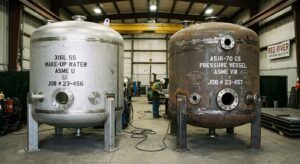
Which Materials Suit Make-Up Water Service?
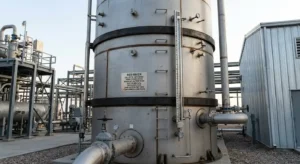
How Big Should Make-Up Water Tanks Be?
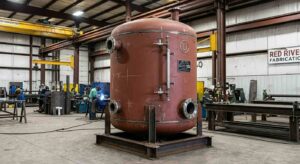
Make-Up Water Tanks: Design, Sizing, and Fabrication
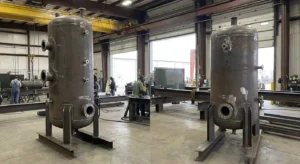
When to Spec Equalization Tanks for Industrial Systems
How Do Equalization Tanks Balance Flow?
About Author



