
Safety Guidelines for Operating Water Pressure Vessels
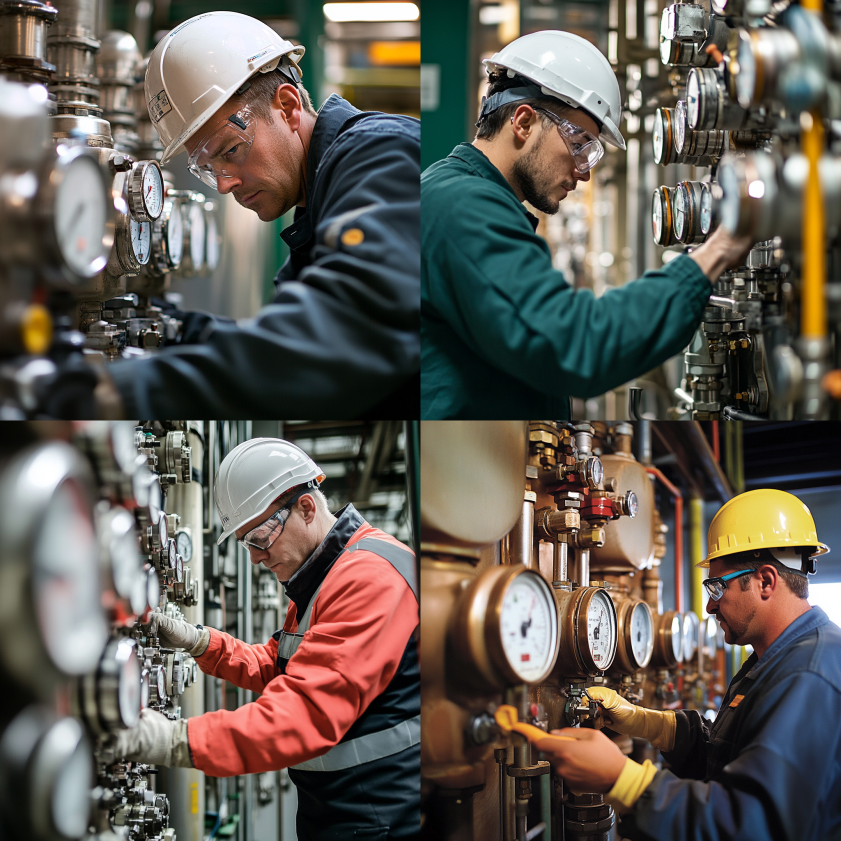
Safety in operating water pressure vessels is critical because failures can cause serious injuries, property damage, and regulatory penalties. Following OSHA and ASME safety guidelines through inspections, training, and maintenance protects workers while improving system reliability and lifespan. Why Safety Matters in Water Pressure Vessel Operations Water pressure vessels are critical components in a wide […]
Signs Your Water Pressure Vessel Needs Replacing
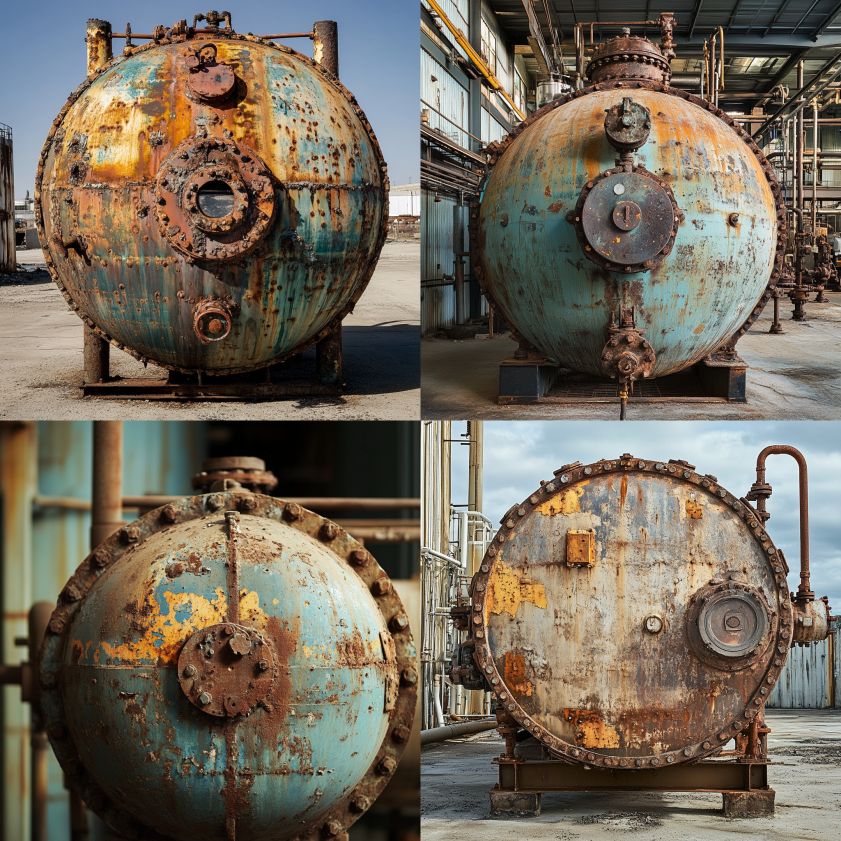
Failing water pressure vessels cause pump cycling, pressure fluctuations, leaks, and corrosion that can lead to costly system damage if ignored. Recognizing these warning signs early and replacing the vessel on time protects your pump, prevents water damage, and ensures consistent water pressure. Preventing Water System Failures: How to Recognize When Your Pressure Vessel Needs […]
Benefits of Using Pressure Vessels in Desalination Plants
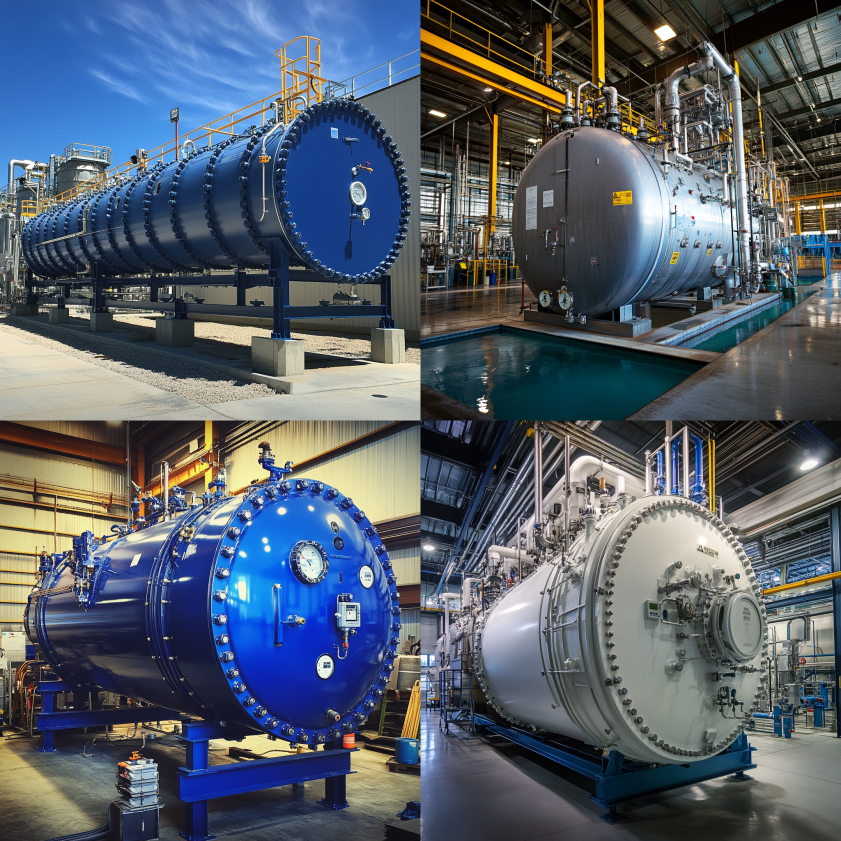
Pressure vessels are essential to modern desalination, enabling safe, efficient operation under extreme pressures while resisting corrosion from saltwater environments. By housing membranes, stabilizing flow, and supporting modular designs, they ensure reliable, high-quality freshwater production at scale. Engineered Excellence: How Pressure Vessels Power Modern Desalination Solutions Pressure vessels are essential to modern desalination, enabling safe, […]
Vessel Post-Weld Heat Treatment: Key Steps for Reliability
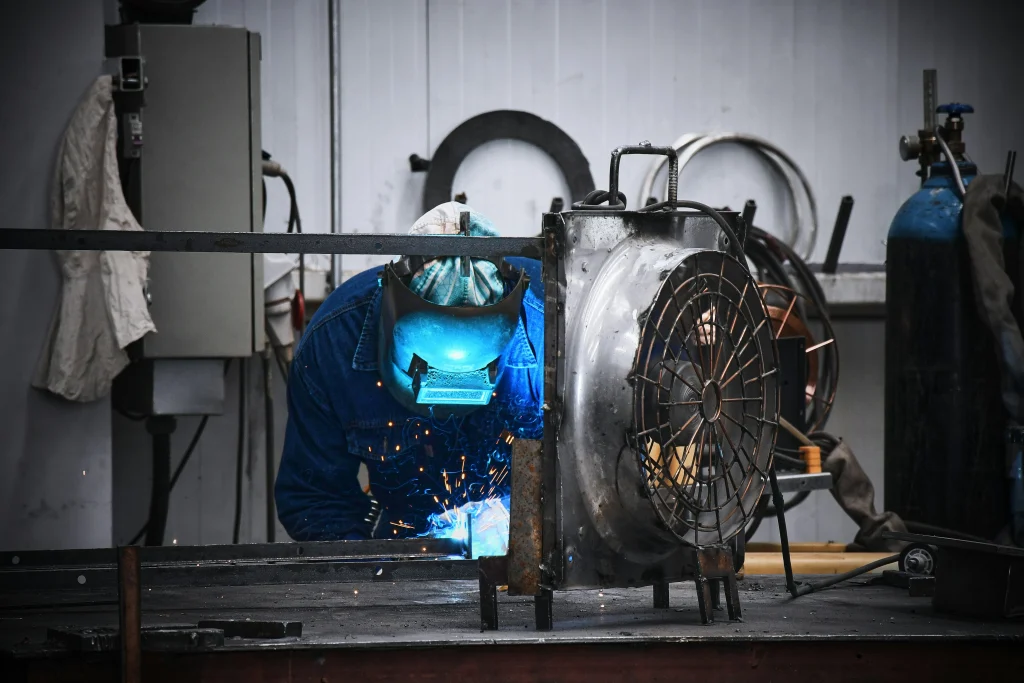
Post-weld heat treatment (PWHT) is critical for pressure vessels because it relieves residual stresses, improves toughness, reduces cracking risks, and enhances corrosion resistance, directly affecting safety and service life. Properly controlled PWHT performed per ASME code requirements based on material and thickness is essential for compliance, reliability, and preventing premature or catastrophic failures. Critical Factors […]
Vessel Weld Quality: Key Factors for Pressure Equipment
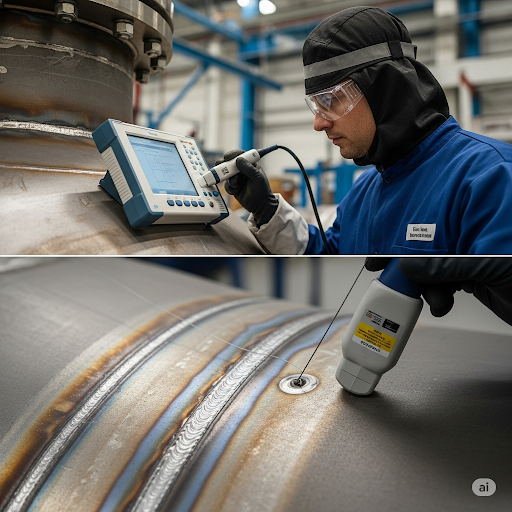
Vessel weld quality is critical for pressure vessel safety, relying on qualified procedures, skilled welders, proper material preparation, and rigorous inspection per ASME standards. Comprehensive documentation and non-destructive testing ensure integrity, traceability, and long-term reliability, preventing costly failures and regulatory non-compliance. Vessel Weld Quality Acceptance Criteria Per ASME Standards Pressure vessels are critical components across […]
Pressure Vessel Dimensional: Standards & Specifications

Accurate pressure vessel dimensional compliance ensures safety, proper stress distribution, and efficient operation. Systematic inspections and precise measurements at all fabrication stages prevent deviations and support regulatory compliance. Pressure Vessel Dimensional Tolerance Standards Pressure vessel dimensional standards form the critical backbone of numerous industrial processes, containing gases and liquids under pressure in applications ranging from […]
Pressure Vessel Materials Guide

Proper selection and certification of pressure vessel materials ensure safety and long-term reliability under extreme conditions. Maintaining complete documentation and traceability throughout fabrication prevents failures and ensures regulatory compliance. Welding Considerations for Pressure Vessel Materials Pressure Vessel Materials form the critical foundation for vessels used across industries such as oil and gas, chemical processing, and […]
The Importance of Pressure Vessel Quality

Pressure vessel quality relies on a robust Quality Assurance Plan to ensure safety, compliance, and long-term reliability. Systematic inspections, welding verification, and thorough documentation prevent failures and reduce rework costs. Key Considerations for Pressure Vessel Quality Pressure vessel quality is a critical concern across industries such as oil and gas, chemical processing, and power generation. […]
Pressure Vessel Certification and Labeling Standards in America
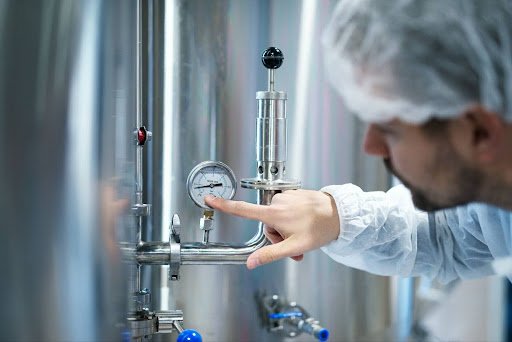
Pressure vessel certification ensures vessels meet ASME safety standards through rigorous design, fabrication, inspection, and testing processes. Maintaining certification requires proper documentation, nameplate marking, and periodic recertification to guarantee long-term operational safety. Pressure Vessel Certification: Standards & Requirements Pressure vessel certification is a critical process that ensures these high-pressure containers meet rigorous safety standards. The […]
Standard Pressure Vessel Inspection Procedures in U.S. Plants
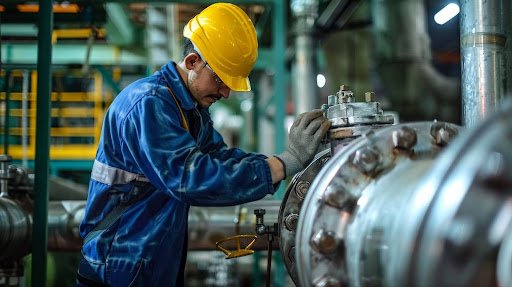
Pressure vessel inspection ensures vessels operate safely and comply with ASME standards, using visual checks and non-destructive testing. Proper documentation, qualified inspectors, and timely maintenance of findings are essential for regulatory compliance and long-term reliability. Essential Requirements for ASME Pressure Vessel Inspection Pressure vessel inspection is a critical component of safe and compliant industrial operations […]