
Innovations in Pressure Vessel Technology for the Water Industry
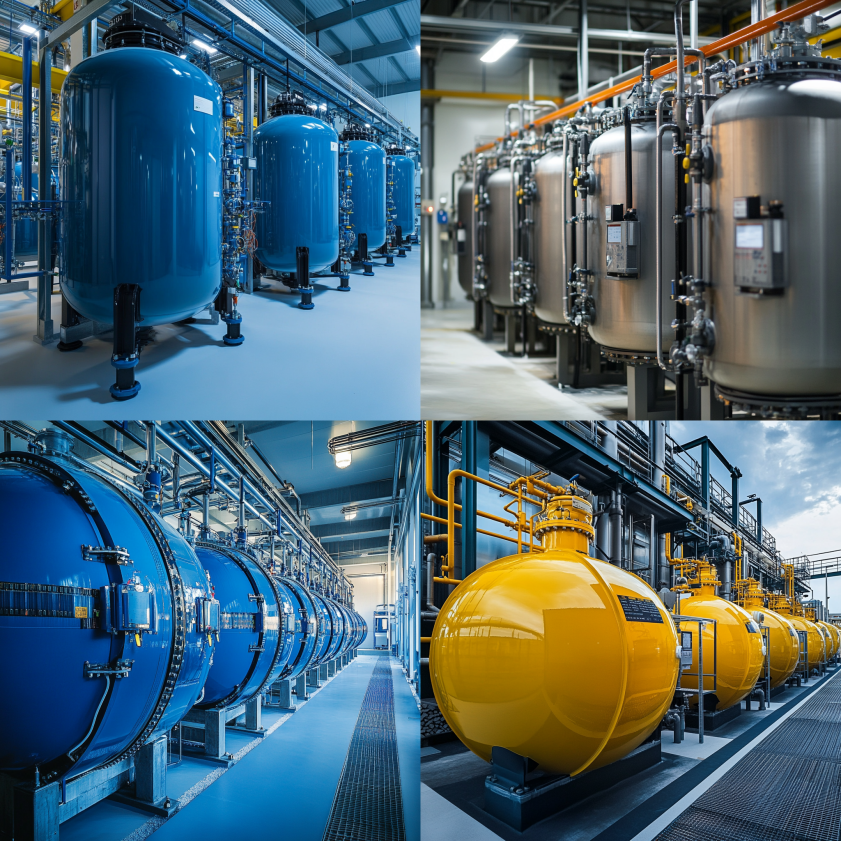
Innovation in pressure vessel technology is transforming water treatment by improving efficiency, safety, corrosion resistance, and sustainability through advanced materials and smart monitoring. These next-generation vessels reduce long-term costs, enhance regulatory compliance, and help facilities meet modern performance and environmental demands. Why Pressure Vessel Innovation Matters in Water Treatment In today’s fast-evolving water industry, innovation […]
Improving RO System Efficiency Pressure Vessels
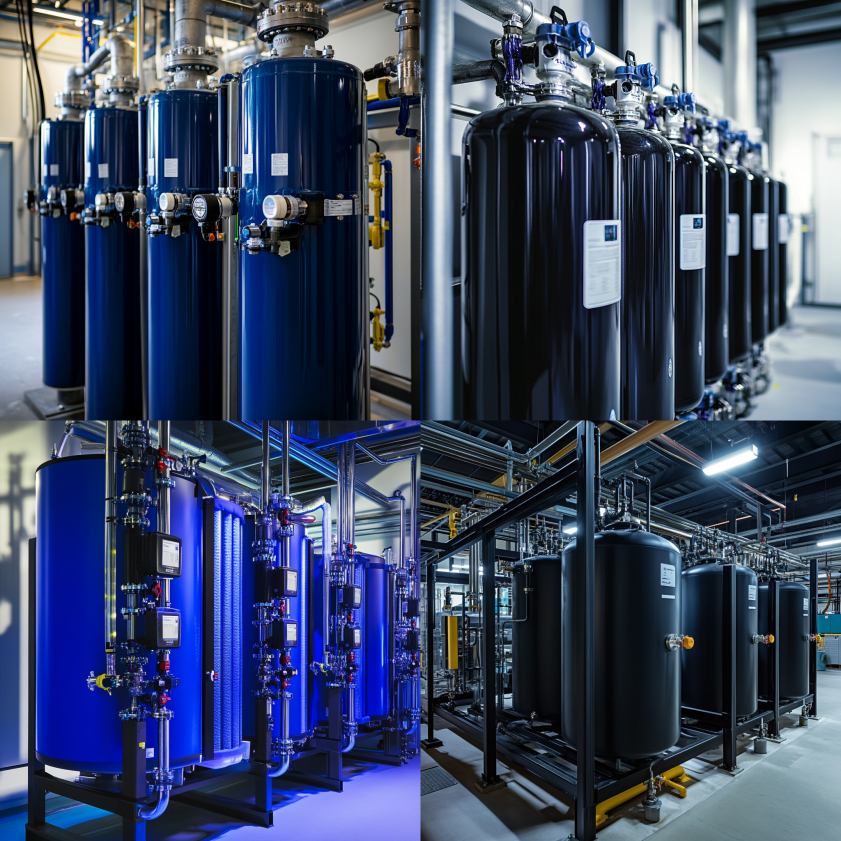
Upgrading aging RO pressure vessels with advanced, corrosion-resistant designs can dramatically improve system efficiency, increasing water output while reducing energy use and maintenance costs. Targeted pressure vessel upgrades deliver high ROI and extend RO system life without requiring a full system replacement. Unlocking Peak Performance: How Pressure Vessels Transform RO System Efficiency Reverse Osmosis (RO) […]
Trends in Sustainable Pressure Vessel Design for Water Treatment Systems
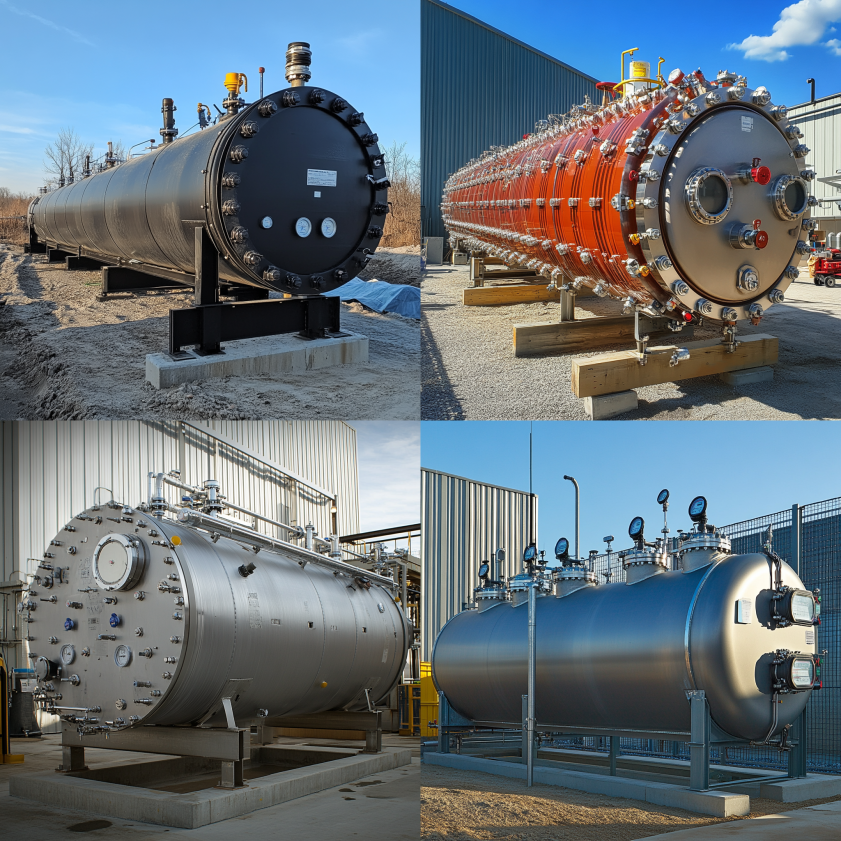
Sustainable pressure vessel design improves water treatment by using durable, recyclable materials, energy-efficient designs, and smart monitoring to reduce environmental impact and extend system life. By considering the full lifecycle from fabrication to recycling, these vessels deliver high performance while meeting growing sustainability and regulatory demands. The Critical Role of Sustainable Pressure Vessel Design Pressure […]
Investing in Quality Pressure Vessels for Water Treatment
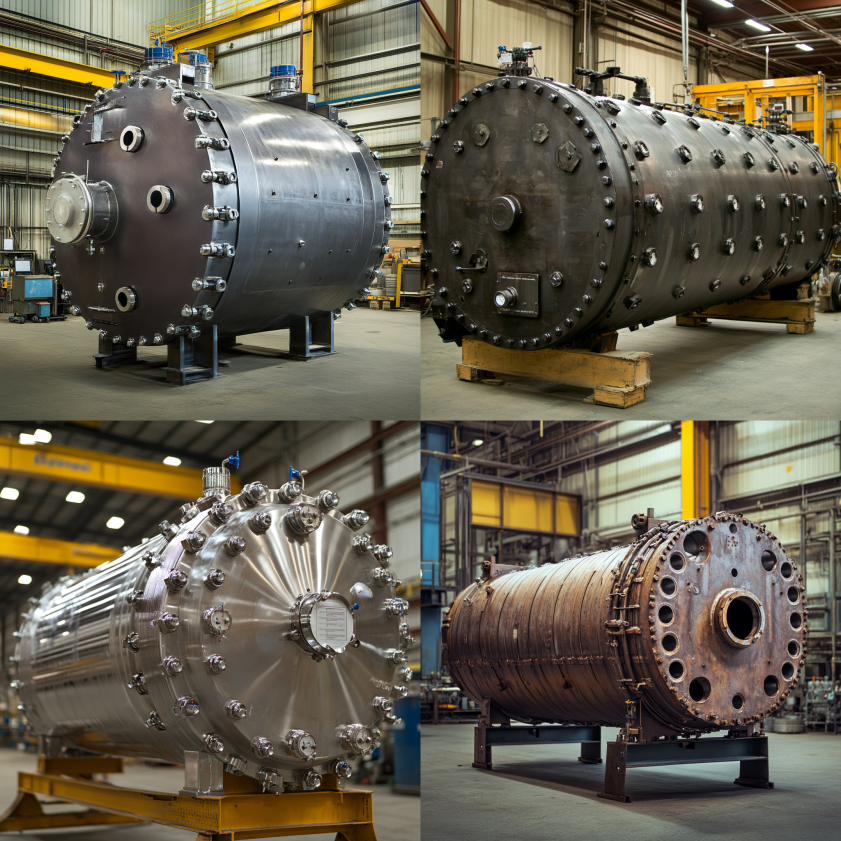
A quality pressure vessel for water treatment is essential for safe, efficient filtration and long-term system reliability across municipal and industrial applications. While higher upfront costs exist, certified, corrosion-resistant vessels deliver lower lifetime costs, reduced downtime, and better regulatory compliance. Understanding the Importance of a Quality Pressure Vessel for Water Treatment Pressure vessels are critical […]
Common Water Pressure Vessel Failures in Applications
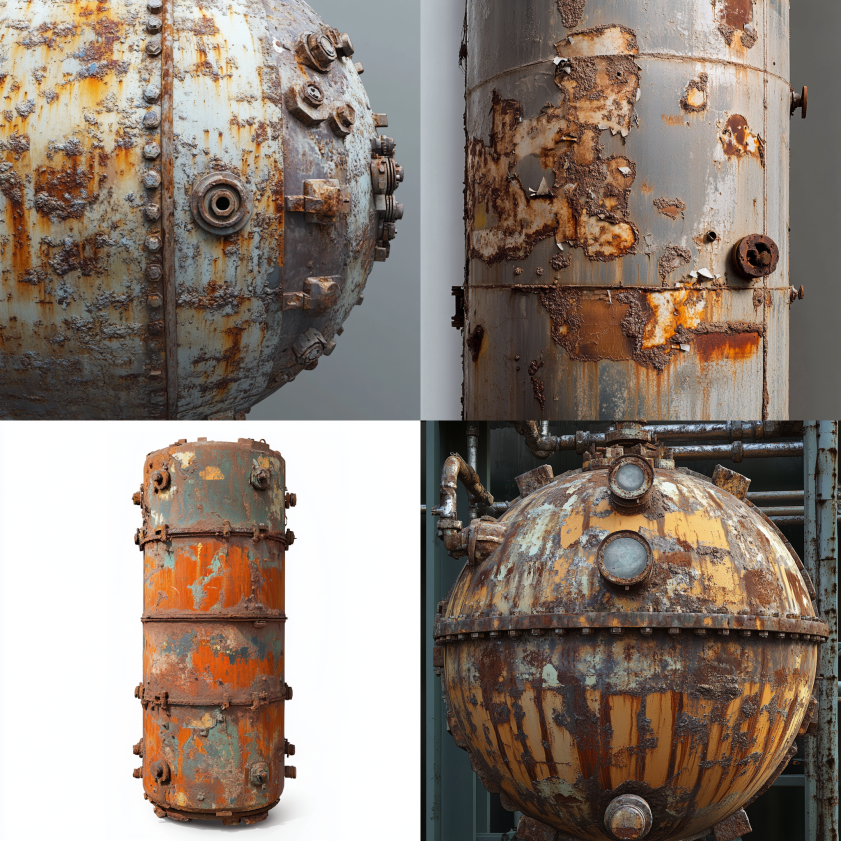
Water pressure vessel failures are mainly caused by corrosion, fatigue, manufacturing defects, and over-pressurization, posing serious risks to safety and system performance. Preventive measures like proper material selection, regular inspections, robust pressure relief systems, and adherence to ASME standards significantly reduce failure risks and extend vessel lifespan. Understanding and Preventing Critical Pressure Vessel Failures in […]
Commercial Water Pressure Vessels for Improved System Efficiency
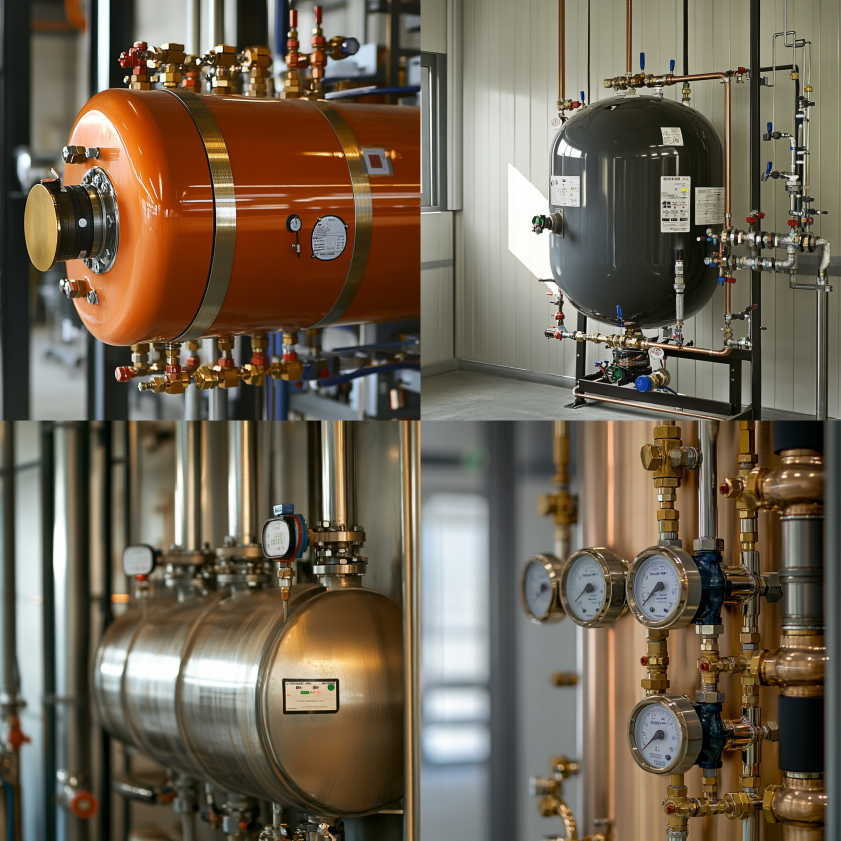
Commercial water pressure vessels improve system efficiency by regulating pressure, stabilizing flow across multiple outlets, and reducing pump cycles, which lowers energy use and mechanical stress. Proper sizing, maintenance, and working with certified fabricators ensure long-term performance, reliability, and cost savings. Understanding Pressure Vessels in Commercial Applications In commercial and industrial environments, efficient water system […]
Chemical Dosing Vessels in Water Purification
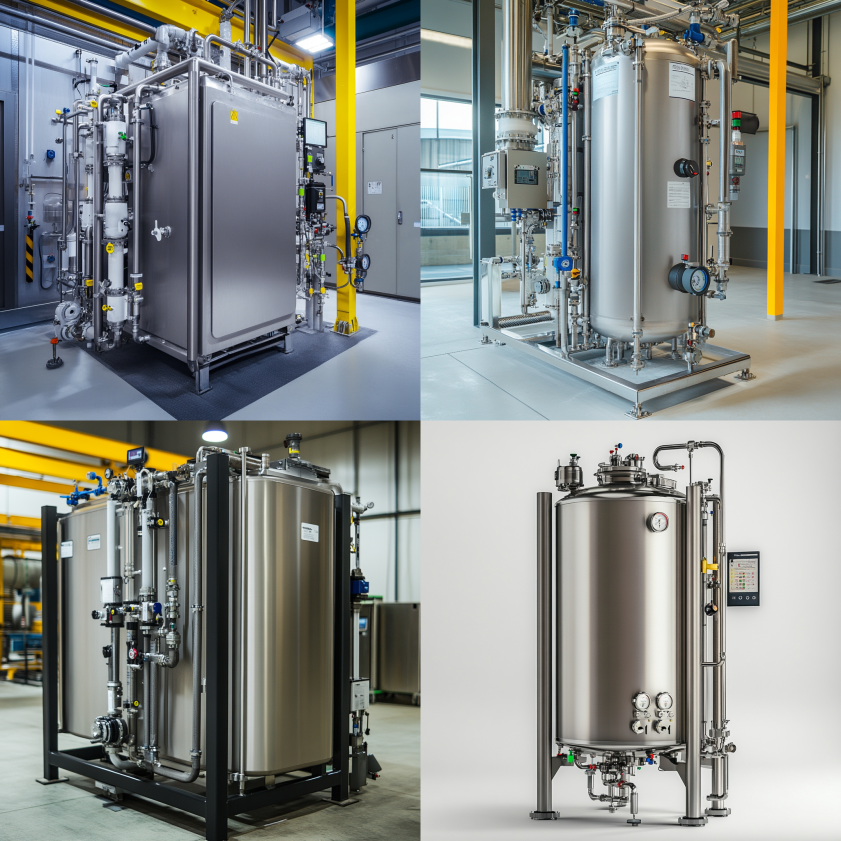
Commercial water pressure vessels improve system efficiency by regulating pressure, stabilizing flow across multiple outlets, and reducing pump cycles, which lowers energy use and mechanical stress. Proper sizing, maintenance, and working with certified fabricators ensure long-term performance, reliability, and cost savings. What Are Chemical Dosing Vessels? Water purification systems rely on precision, safety, and efficiency […]
Why Boiler Feed Pressure Vessels Are Essential Systems
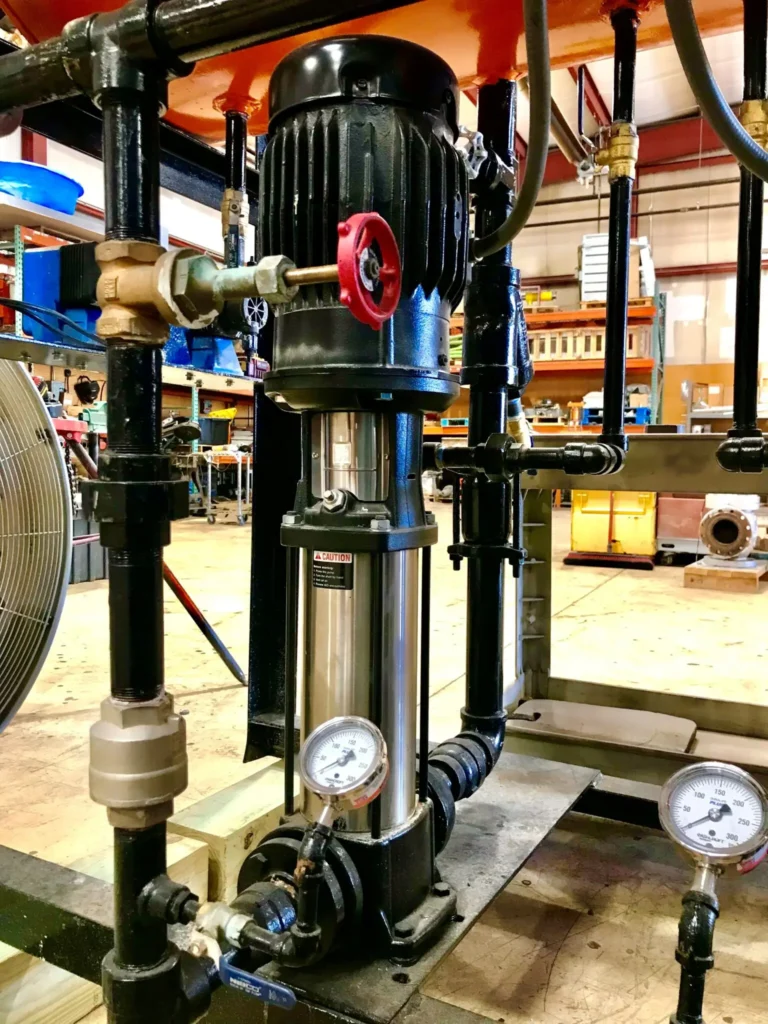
Boiler Feed Pressure Vessels are crucial for maintaining consistent water pressure and flow, protecting boiler equipment from surges, corrosion, and mechanical stress. Investing in properly sized, ASME-certified vessels ensures safe, efficient, and long-lasting boiler operations across industrial and commercial applications. The Critical Role of Pressure Vessels in Boiler Feed Water Systems In the world of […]
Using Pressure Vessels in Industrial Water Treatment
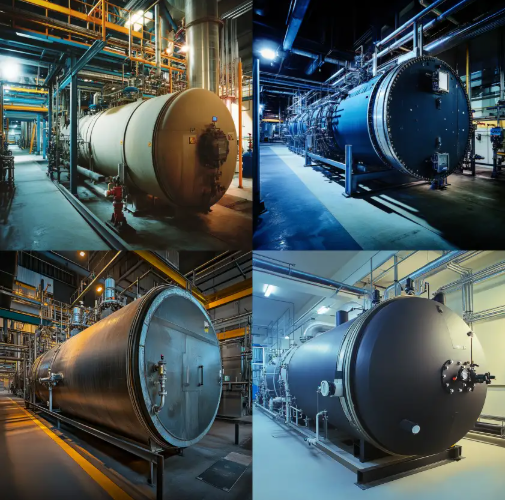
Pressure vessels are essential in industrial water treatment, providing pressurized housings for filtration, softening, separation, and chemical processes to ensure water quality and operational efficiency. Properly designed, maintained, and customized vessels enhance system reliability, longevity, and scalability while supporting regulatory compliance and sustainable operations. Why Pressure Vessels Matter in Water Treatment In industrial operations, water […]
How to Conduct a Pressure Vessel Inspection in Water Treatment Facilities

Regular pressure vessel inspection in water treatment is essential to prevent leaks, ruptures, contamination, and regulatory shutdowns while ensuring safe and reliable system operation. Proactive inspections using visual checks, NDT methods, and proper documentation extend vessel life, reduce downtime, and maintain compliance with ASME and OSHA standards. Why Pressure Vessel Inspection in Water Treatment Is […]