
Understanding Molecular Sieves and Their Applications
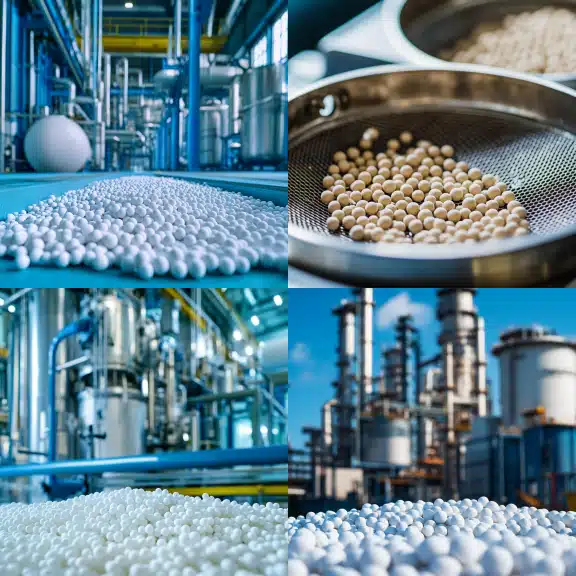
Molecular sieves are advanced desiccants used to purify gas and liquid streams in industries like oil, gas, and biogas. This guide explains their types (3A, 4A, 5A, 13X), industrial uses, potential health hazards, and key safety practices. You’ll also learn how to handle, store, regenerate, and safely dispose of these materials. Ideal for engineers, safety […]
Where Are Molecular Sieves Used? Understanding Their Applications and Benefits
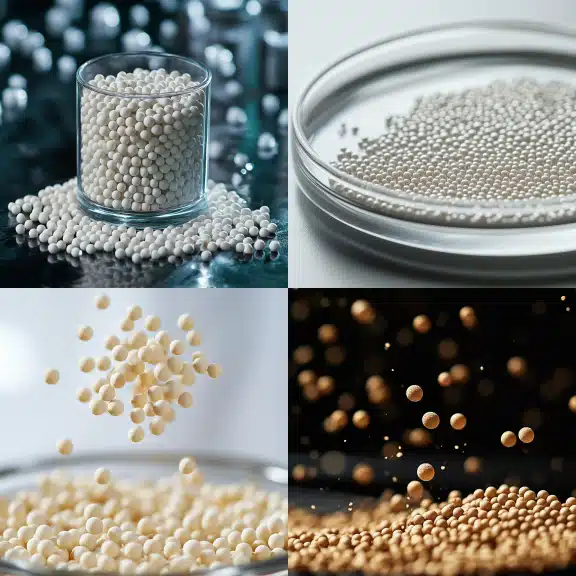
Molecular sieves are porous materials that selectively adsorb molecules based on size and polarity crucial for industries like oil & gas, water treatment, and air separation. Available in types like 3A, 4A, 5A, and 13X, they deliver unmatched precision in moisture removal, gas purification, and solvent drying. Key benefits include superior selectivity, process efficiency, reusability, […]
Understanding Molecular Sieves and Their Role in Water Removal

Molecular sieves are precision-engineered desiccants used to remove trace water from gases and liquids with high efficiency. This article explains how they work, compares them to silica gel and activated alumina, and provides guidance on selecting the right type (3A, 4A, 5A, 13X) for industrial applications. We also cover regeneration methods, adsorption capacity, and key […]
Understanding Molecular Sieves and Their Role in Solvent Drying
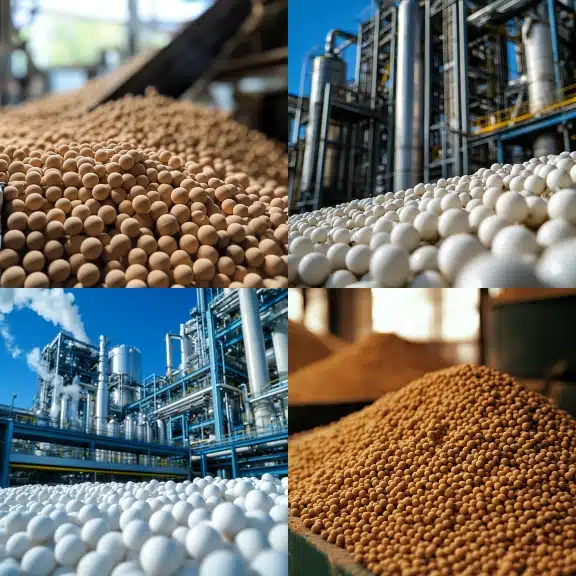
Molecular sieves are high-performance drying agents that remove trace water from solvents more efficiently than traditional methods. This guide covers how they work, which type to use (3A, 4A, 5A), and how to apply them safely and effectively in lab or industrial settings. Includes step-by-step instructions, regeneration tips, and real-world FAQs. Molecular Sieves and Their […]
Understanding Molecular Sieves in Breathing Air Systems
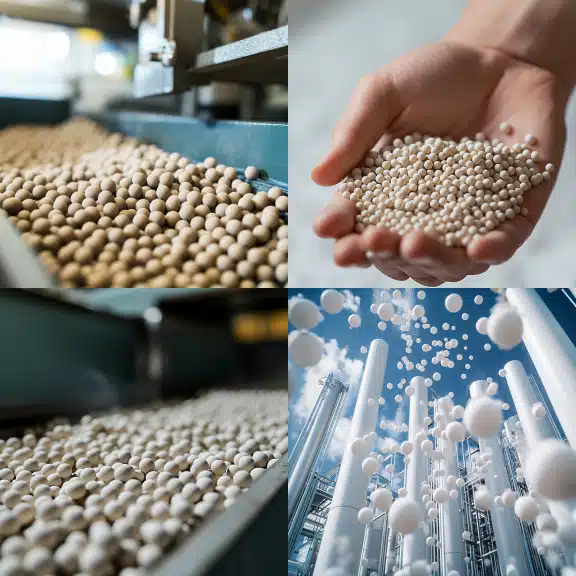
Molecular sieves are critical for purifying breathing air in industrial environments. This article explains how they work, compares types (3A, 4A, 13X), and shows why they outperform traditional filters by removing moisture, CO₂, and H₂S at a molecular level. You’ll also learn how to choose the right sieve, maintain performance, and meet safety standards like […]
Optimal Molecular Sieve Usage: A Comprehensive Guide
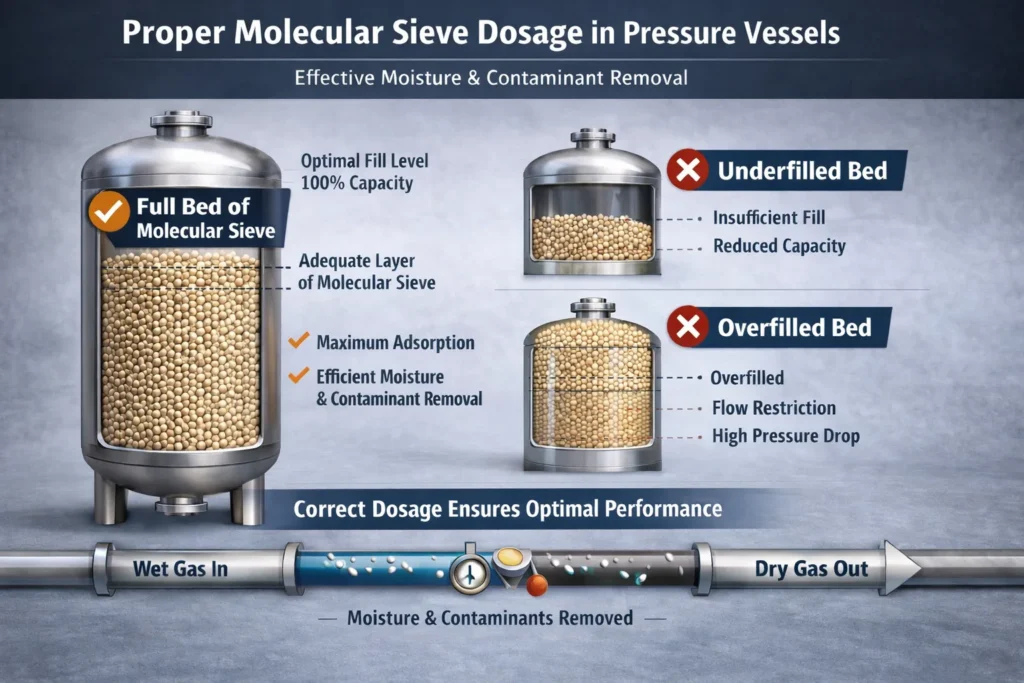
Using the correct molecular sieve dosage is critical to achieving effective moisture and contaminant removal without unnecessary material waste. Optimal sizing based on process conditions such as flow rate, pressure, temperature, and contaminant load improves efficiency, reduces downtime, and enhances overall system reliability. Optimal Molecular Sieve Usage Optimizing molecular sieve usage is essential for […]
How to Make a Molecular Sieve Device A Step-by-Step Guide

Molecular sieves are essential tools for industrial drying, purification, and separation. This guide explains what molecular sieves are, how to make one, and where they’re used from oil refining to pharmaceuticals. You’ll learn about materials like zeolite, the step-by-step production process, and how to choose the right type for your needs (e.g., 3A vs 5A). […]
How to Choose the Right Molecular Sieve for Your Application
[ez-toc] Understanding Molecular Sieves and Their Importance When it comes to commercial applications, choosing the right molecular sieve is essential for achieving reliable results. At Red River, we emphasize selecting a molecular sieve tailored to your specific needs. Whether you’re working in oil and gas, electricity generation, or other industries, the right choice enhances filtration […]
Understanding Molecular Sieve and Silica Gel

[ez-toc] Molecular Sieve and Silica Gel When selecting the right type of desiccant, it’s essential to understand how each option works and which fits your application best. Desiccants—such as silica gel, molecular sieves, clay, activated alumina, and calcium chloride—each offer unique properties. This guide breaks down the main types of desiccant and shows you when […]
How Many Molecular Sieves Should You Use?

[ez-toc] Understanding Molecular Sieves and Their Applications Molecular sieves are advanced materials engineered to separate molecules based on length, making them essential in various industrial programs. These tiny, porous structures are crafted from materials like zeolites, activated carbon, and silica gel, designed to trap and eliminate impurities from gases and liquids. When operating in oil […]