
Safety Standards for Dehydrator Pressure Vessels
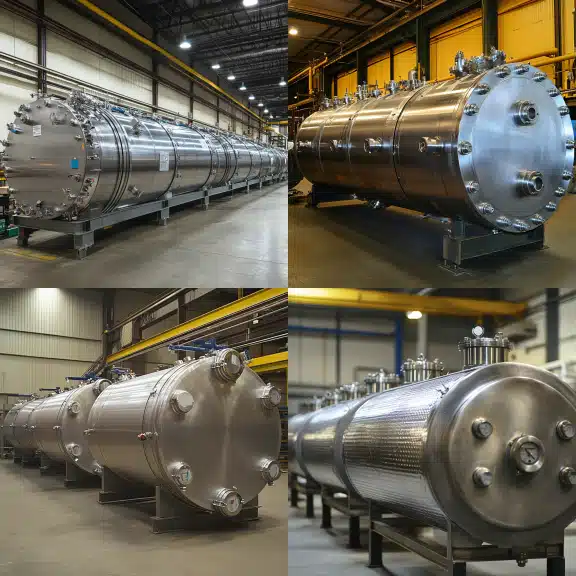
Safety Standards for Dehydrator Pressure Vessels ensure reliable operation, structural integrity, and long-term performance. These standards guide design, fabrication, inspection, and maintenance practices. Compliance helps prevent failures and enhances operational safety. Understanding proper safety frameworks allows businesses to operate dehydrator pressure vessels confidently and efficiently. Working with a trusted partner ensures compliance at every stage. […]
Energy Optimization for Dehydrators: Best Practices, Vessel Safety, and Real-World Gains
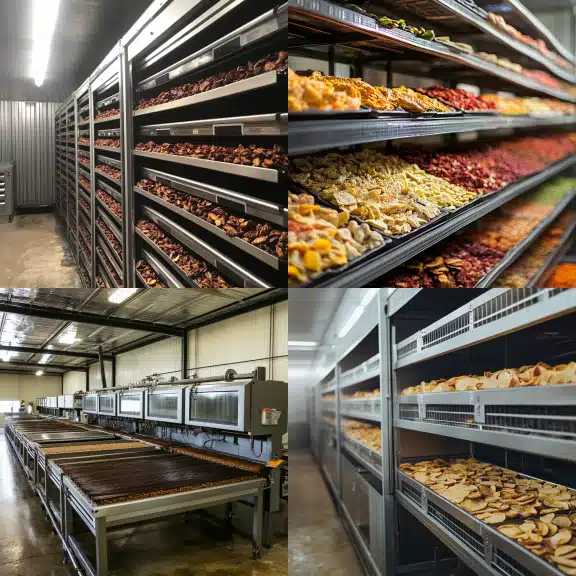
Energy Optimization for Dehydrators helps reduce operating costs, improve throughput, and support more stable dehydration results. By tightening maintenance routines, tuning process settings, and selecting efficient equipment, operators can cut wasted energy without sacrificing quality. Energy Optimization for Dehydrators also connects to safe pressure handling when vessels are part of the dehydration system, making inspection […]
Why Choosing the Right Fuel Water Separator Matters

Fuel water separators are critical in preventing water contamination in diesel and industrial fuel systems. Without them, water in fuel can cause corrosion, injector damage, and engine failure. Choosing the right separator depends on your fuel type, system specs, and operating environment. Regular maintenance and correct sizing enhance efficiency and equipment lifespan. Red River offers […]
Do Diesel Fuel Filters Stop Water? Everything You Need to Know
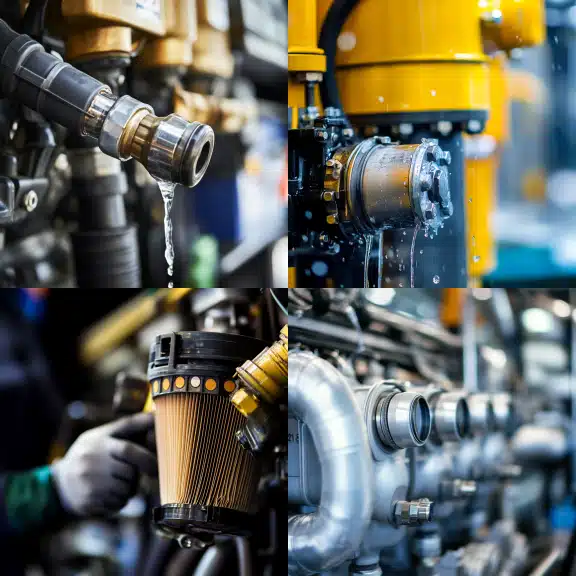
Water in diesel fuel can lead to severe engine damage. Diesel fuel filters are your first line of defense, especially when paired with a water separator. Regular maintenance and smart fuel handling practices help prevent water-related issues and keep your engine running efficiently. Understanding the Importance of Diesel Fuel Filters in Preventing Water Contamination Water […]
Why It Is Important to Drain Water from Your Fuel Manager?

Water in your fuel manager is more than a nuisance—it’s a serious risk to your diesel engine. If left unchecked, it leads to rust, injector damage, and system failure. Draining your fuel manager regularly—every 3 to 6 months—is critical. Follow a safe, step-by-step process, and choose a properly sized, high-quality fuel manager for your operating […]
Are Molecular Sieves Expensive? Understanding the Costs and Value

Are molecular sieves expensive? While the upfront cost can be higher than other desiccants, their precision, efficiency, and long-term durability make them a smart investment. They outperform silica gel and activated carbon in moisture control, especially under demanding industrial conditions. The value of molecular sieves becomes clear in reduced downtime, improved product quality, and extended […]
How to Dry the Molecular Sieve
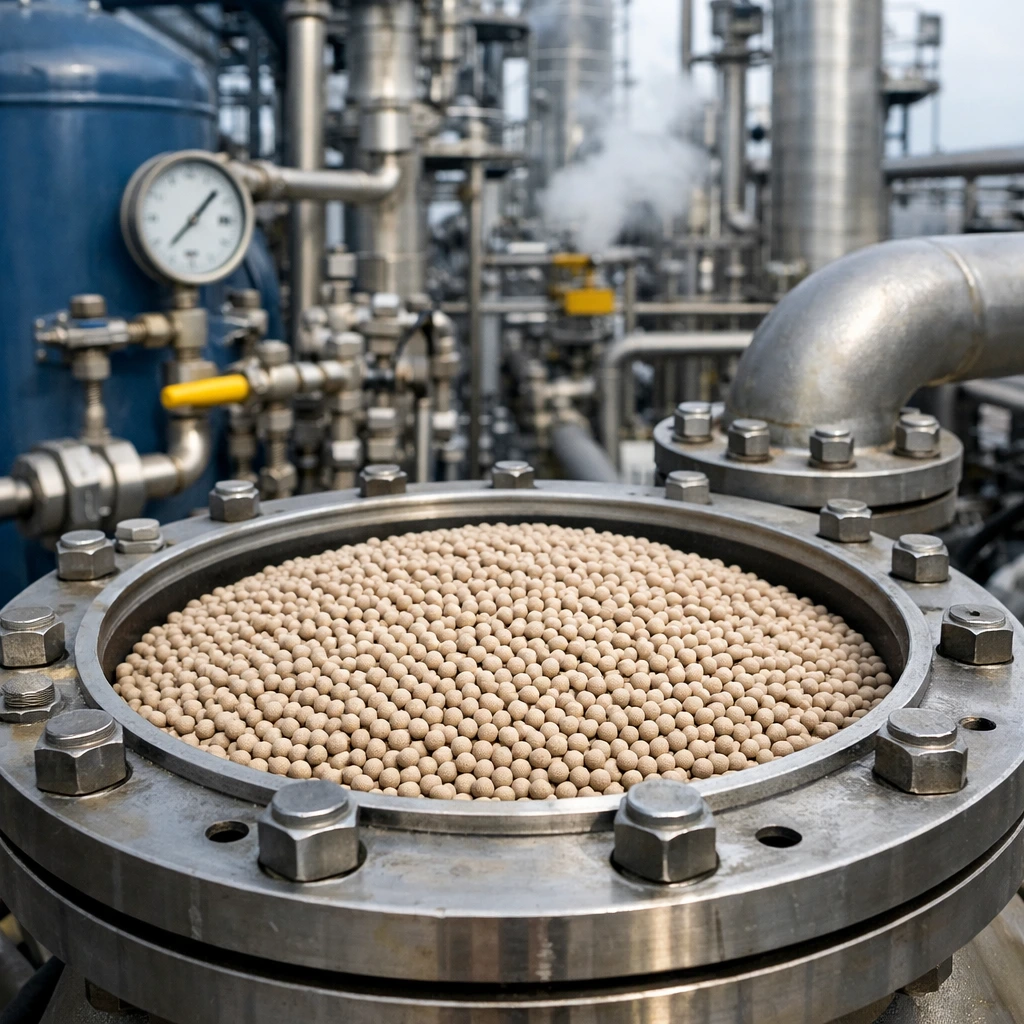
Saturated molecular sieves stop working, and in industrial gas processing, dehydration systems, and compressed air applications, that failure causes moisture contamination, pressure drops, and equipment damage downstream. This guide is for engineers and facility managers who maintain molecular sieves in industrial systems. You’ll learn the three main drying methods, the temperatures and durations each requires, […]
All About Molecular Sieves
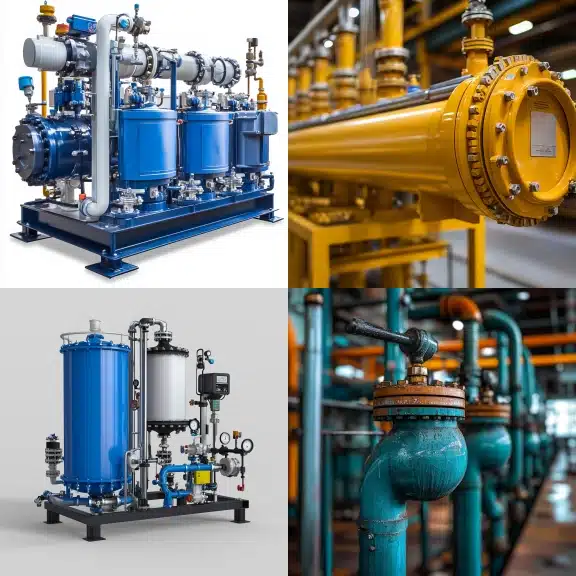
A molecular sieve is a highly selective filtration material that separates molecules based on size using precise pore structures. Common in gas drying, petrochemical processing, and industrial filtration systems, sieves like 3A, 4A, and 5A enable targeted removal of moisture and impurities. Zeolites and activated carbon are typical examples used in pressure vessels to optimize […]
What is Molecular Sieving? Principles, Types & Uses
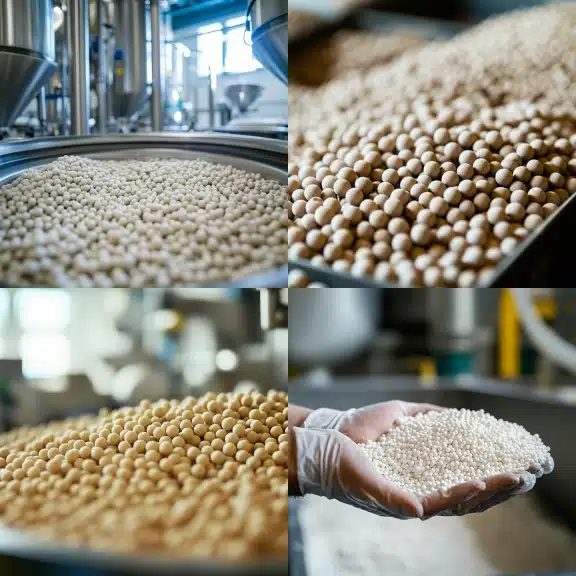
Molecular sieves are advanced filtration materials with uniform pore sizes that selectively adsorb specific molecules. Used across oil, gas, pharma, and chemical industries, they offer ultra-low moisture control, gas purification, and VOC removal. Types like 3A, 4A, and 5A each serve specialized purposes, from dehydration to hydrocarbon separation. With long service lives and high regeneration […]
3A Molecular Sieve: Complete Guide for Industrial Drying & Separation

Molecular sieves are advanced filtration materials with uniform pore sizes that selectively adsorb specific molecules. Used across oil, gas, pharma, and chemical industries, they offer ultra-low moisture control, gas purification, and VOC removal. Types like 3A, 4A, and 5A each serve specialized purposes, from dehydration to hydrocarbon separation. With long service lives and high regeneration […]