
Activating Molecular Sieves: Ensuring Maximum Adsorption Performance

Activating molecular sieves is a critical step in restoring and maintaining their full adsorption capacity. Without proper activation, molecular sieves cannot effectively remove moisture or impurities from gas and liquid streams. In industrial systems such as natural gas dehydration, hydrogen purification, and ethanol drying, improper activation can lead to reduced efficiency, higher operating costs, and […]
Understanding 4A Molecular Sieves
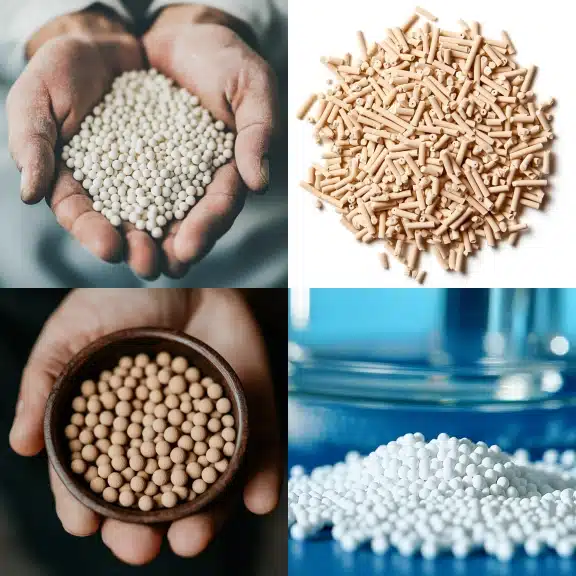
4A molecular sieves are highly effective for gas purification, moisture control, and industrial separation processes. Their precise adsorption properties, cost-effectiveness, and reusability make them ideal for a variety of applications across multiple industries. RedRiver LLC offers trusted solutions incorporating 4A molecular sieves to help clients maintain high operational standards. Read on to understand their advantages […]
Do Molecular Sieves Absorb Water? Uses & Benefits
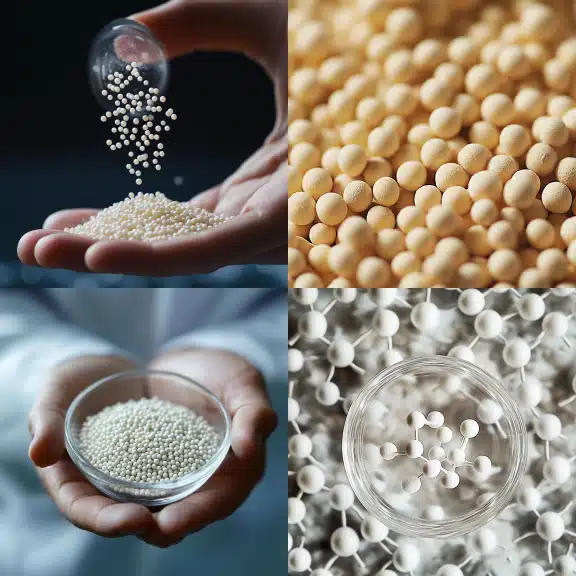
Molecular sieves are powerful materials designed to absorb water with extreme precision. These crystalline substances are essential across multiple industries for moisture control, offering a higher level of adsorption than traditional drying agents. Their performance, longevity, and regeneration capabilities make them a preferred choice in gas and liquid dehydration. RedRiver LLC provides high-quality systems integrating […]
How to Dry Over Molecular Sieves: A Comprehensive Guide
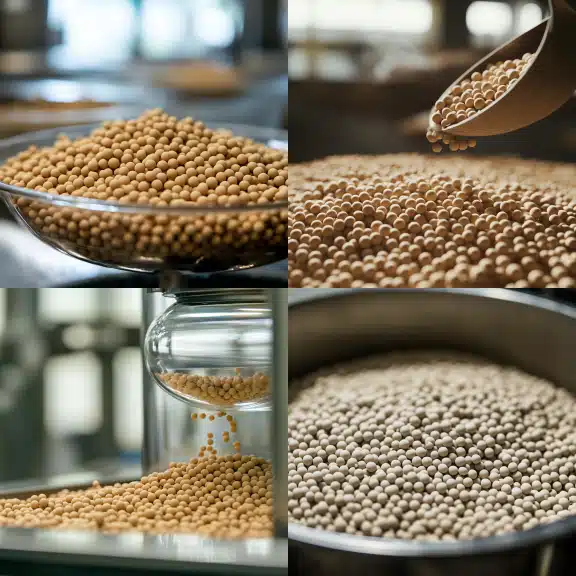
Drying with molecular sieves is a precise and highly effective method for moisture control in industrial processes. Their unique porous structure allows them to adsorb water molecules efficiently, ensuring purity in liquids and gases. By choosing the right type and maintaining proper activation and storage, molecular sieves can significantly improve drying outcomes. RedRiver LLC provides […]
Understanding Molecular Sieve Lifespan

Molecular sieve lifespan plays a crucial role in ensuring cost-efficiency and operational stability in industrial applications. Their durability is influenced by usage conditions, storage, and regeneration cycles. Proper handling, maintenance, and adherence to best practices can extend their service life. RedRiver LLC provides integrated solutions that maximize the value of your molecular sieve systems through […]
Understanding Molecular Sieves and Their Role
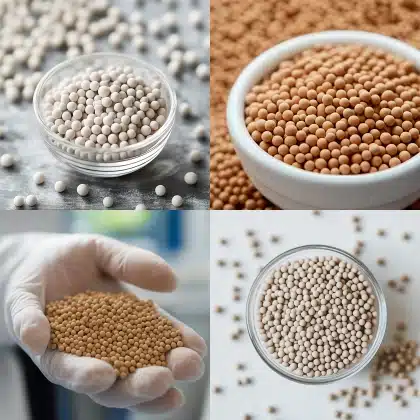
Molecular sieves are precision adsorbents used in gas and liquid purification. To work effectively, they must be activated by removing moisture and contaminants. Activation ensures optimal pore availability for targeted adsorption. Without proper activation, sieves underperform and lead to operational inefficiencies. Correct storage, heating, and reactivation methods can extend their effectiveness. Molecular Sieves and Their […]
Understanding Molecular Sieves and Their Environmental Impact
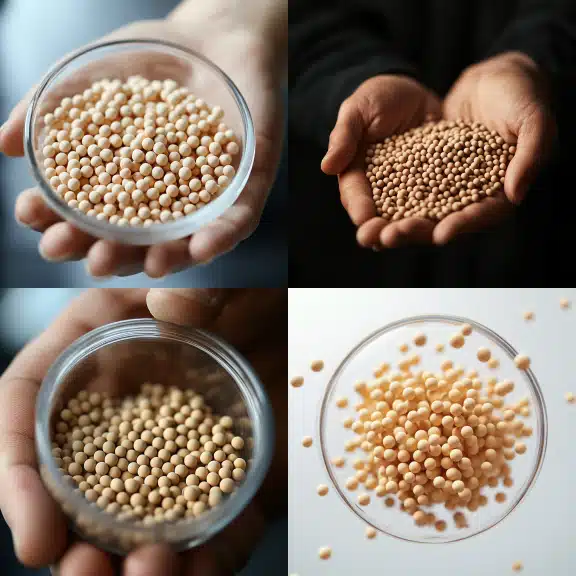
Molecular Sieve Disposal is a critical process to ensure used sieves are handled in a safe and environmentally responsible manner. Proper disposal or regeneration helps prevent contamination of soil and water, supports regulatory compliance, and reduces waste. Partnering with a professional provider like RedRiver LLC ensures that your operations remain safe, compliant, and efficient. Molecular […]
Understanding Molecular Sieve Reusability
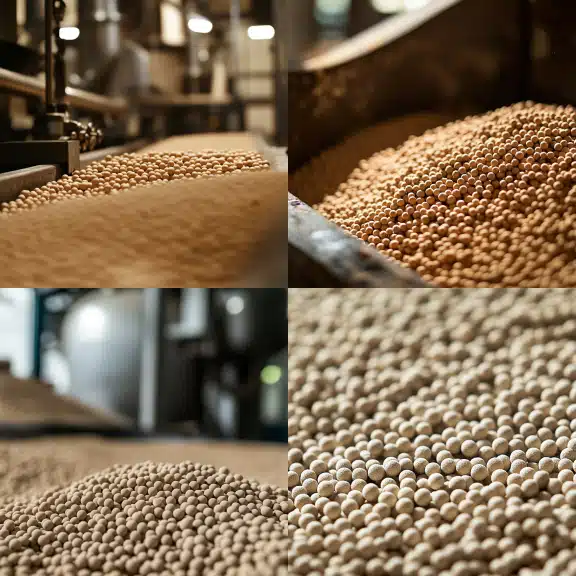
Molecular sieves are porous materials used to adsorb moisture and contaminants in industrial processes, and yes they can be reused effectively with proper regeneration, typically via temperature or pressure swing adsorption (TSA or PSA). Their reusability depends on factors like regeneration quality, contaminant type, and mechanical handling. With optimized cycles and maintenance, sieves can be […]
Understanding Molecular Sieve Desiccants
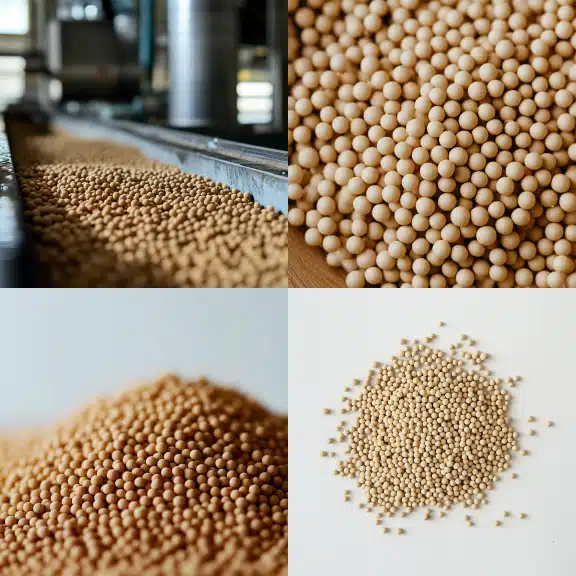
Molecular sieve desiccants are powerful moisture absorbers used across industries like oil & gas, energy, and chemical manufacturing. While not inherently toxic, improper handling especially dust inhalation or skin contact can cause irritation or respiratory issues. Always wear PPE and store them securely. In case of exposure, follow first aid protocols and seek medical help […]
Is Molecular Sieve Food Safe? Understanding the Applications and Safety

Molecular sieves are porous materials used in the food industry to control moisture and gases, helping to extend shelf life and maintain product quality. They outperform traditional desiccants due to their precision, safety, and compliance with FDA/USDA standards. Ideal for packaging and processing, food-grade sieves reduce spoilage, prevent contamination, and support sustainability by cutting food […]