
Ethylene Glycol a Plastic
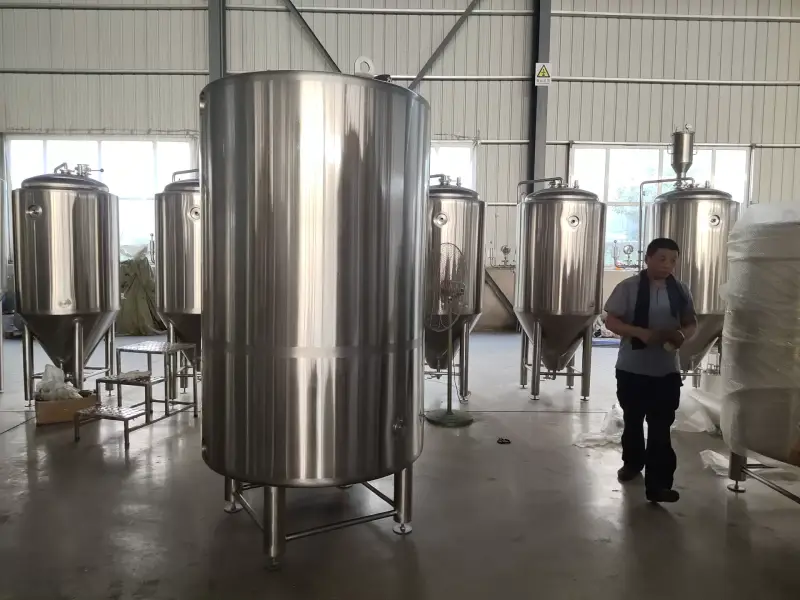
[ez-toc] Ethylene glycol is a versatile, toxic organic compound primarily used as an antifreeze, coolant, and precursor in plastic production, especially PET. While essential in industrial, automotive, and household applications, it must be handled and disposed of carefully due to environmental and health risks. Understanding Ethylene Glycol What is Ethylene Glycol? Ethylene glycol is a […]
Ethylene Glycol Corrosiveness: Causes, Risks, and Prevention
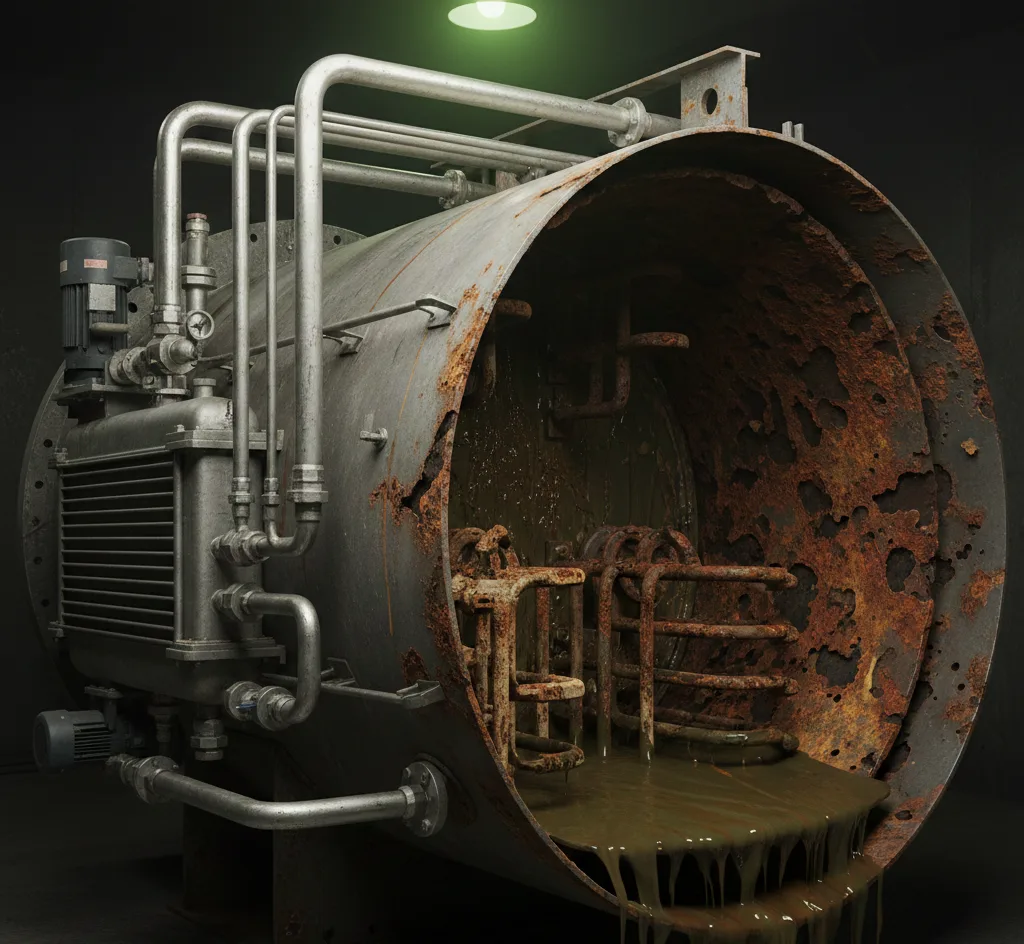
Ethylene glycol corrosiveness is a major concern in systems that rely on glycol for heat transfer or freeze protection. While pure ethylene glycol is not aggressively corrosive, it can become corrosive when mixed with water, exposed to contaminants, or subjected to heat. This blog explains what increases ethylene glycol corrosiveness, how it affects metals, and […]
Ethylene Glycol Corrosiveness
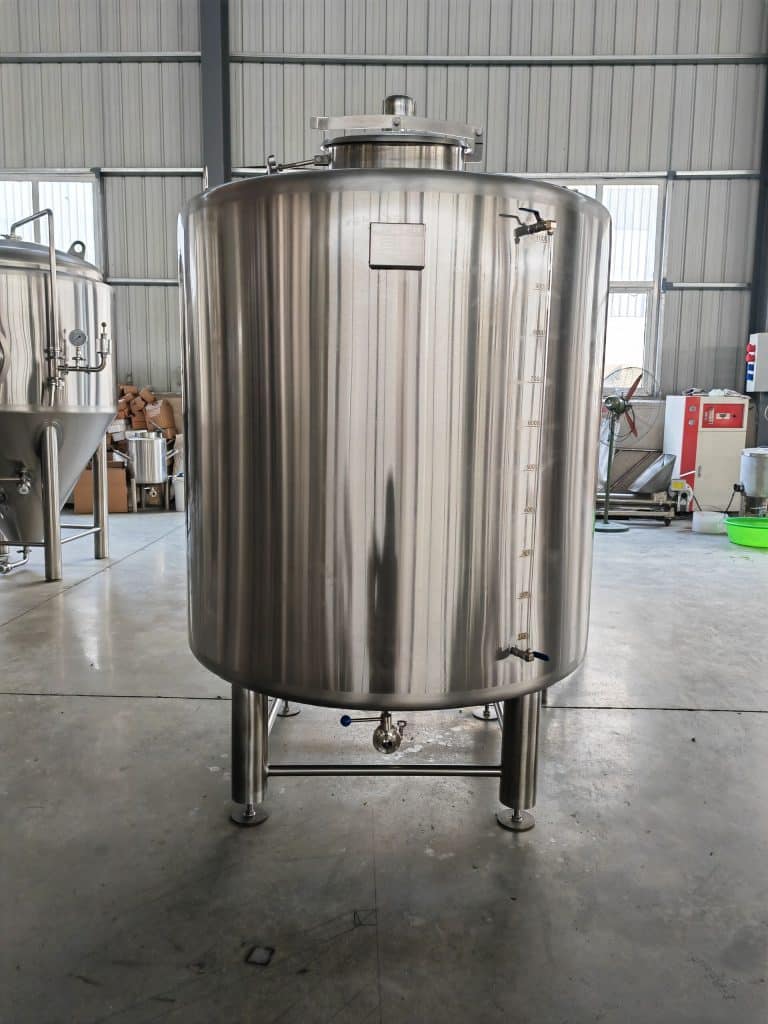
[ez-toc] Ethylene glycol is a widely used antifreeze and industrial chemical that is generally not highly corrosive, but its corrosiveness increases when diluted with water, exposed to impurities, or subjected to high temperatures. Proper monitoring, maintenance, and the use of corrosion inhibitors are essential to prevent damage to metals like steel and aluminum in systems […]
Material in Cryogenic Storage Tank
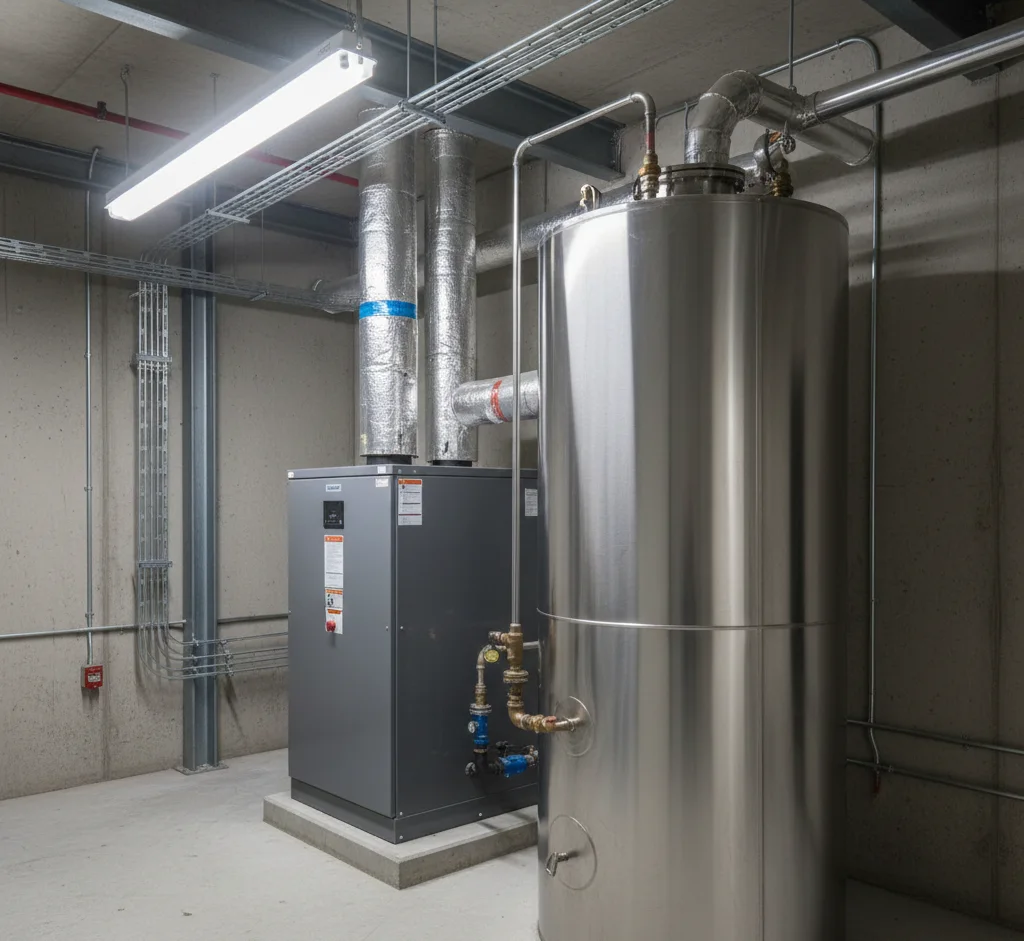
Cryogenic storage tanks require materials that maintain strength, durability, and corrosion resistance at extremely low temperatures to safely store gases and liquids. Common materials include stainless steel, aluminum, nickel alloys, and composites, each offering unique advantages for different industrial applications. Introduction to Cryogenic Storage Tanks Overview of Cryogenic Storage Tanks Cryogenic storage tanks are vital […]
Material in Cryogenic Storage Tank
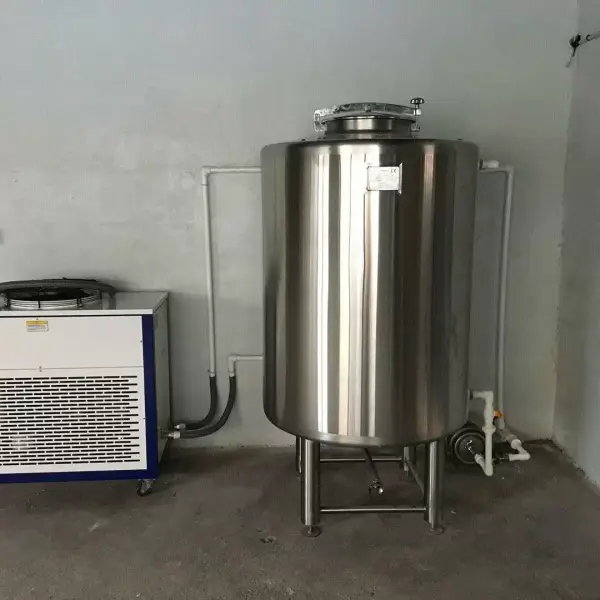
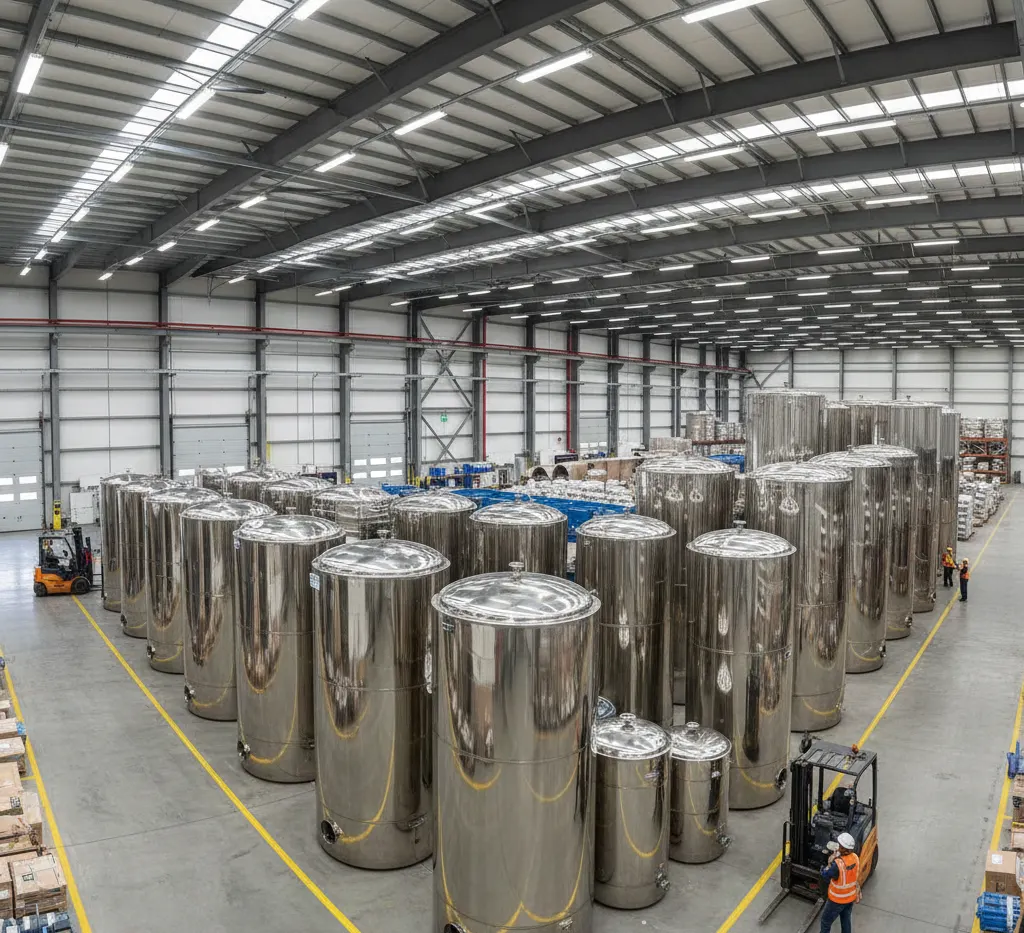
[ez-toc] Cryogenic storage tanks require materials that maintain strength, durability, and corrosion resistance at extremely low temperatures to safely store gases and liquids. Common materials include stainless steel, aluminum, nickel alloys, and composites, each offering unique advantages for different industrial applications. Introduction to Cryogenic Storage Tanks Overview of Cryogenic Storage Tanks Cryogenic storage tanks are […]
Ethylene Glycol

[ez-toc] Ethylene glycol is a toxic, sweet-tasting chemical widely used in antifreeze and industrial applications, valued for its low freezing and high boiling points. Exposure poses serious health risks to humans and animals, and improper disposal can severely harm the environment. Understanding Ethylene Glycol What is Ethylene Glycol? Ethylene glycol is a commonly used chemical […]
Ethylene Glycol
Ethylene glycol is a toxic, sweet-tasting chemical widely used in antifreeze and industrial applications, valued for its low freezing and high boiling points. Exposure poses serious health risks to humans and animals, and improper disposal can severely harm the environment. Understanding Ethylene Glycol What is Ethylene Glycol? Ethylene glycol is a widely used chemical compound […]
Store Propylene Glycol Safely and Efficiently
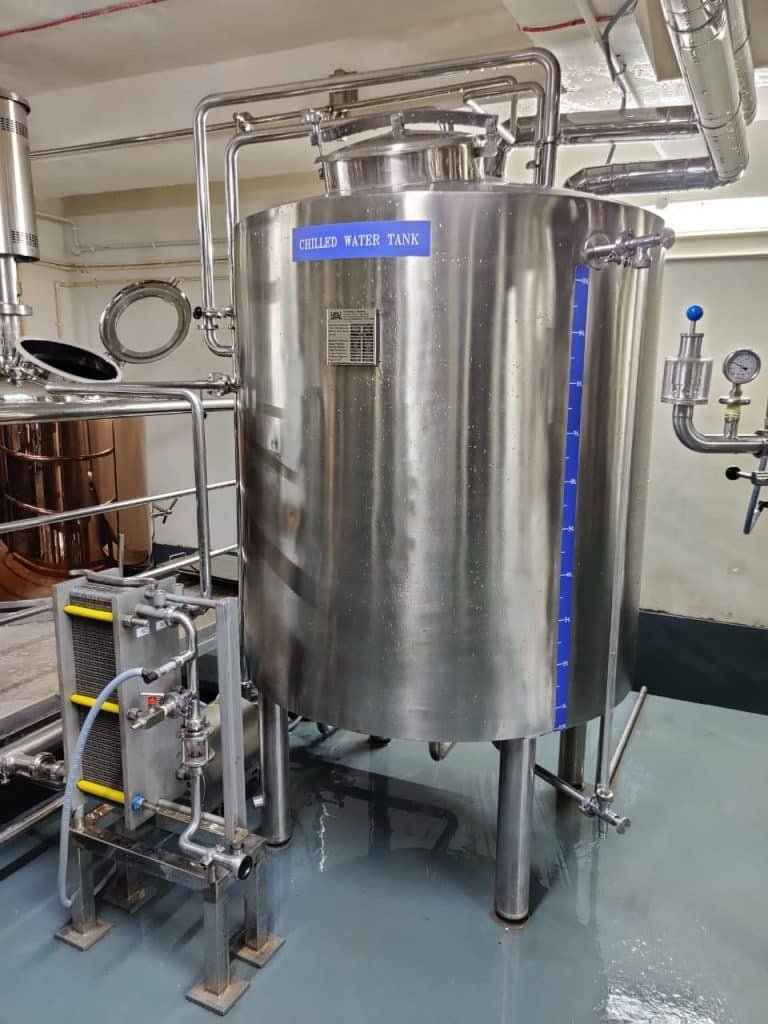
[ez-toc] Propylene glycol must be stored carefully in airtight, temperature-controlled containers to maintain its quality and prevent contamination. Following industry standards, regulatory compliance, and safety protocols ensures both product integrity and workplace safety. Understanding Propylene Glycol Storage Requirements What is Propylene Glycol? Propylene glycol is a versatile chemical widely used in industries for its properties […]
Store Propylene Glycol Safely and Efficiently
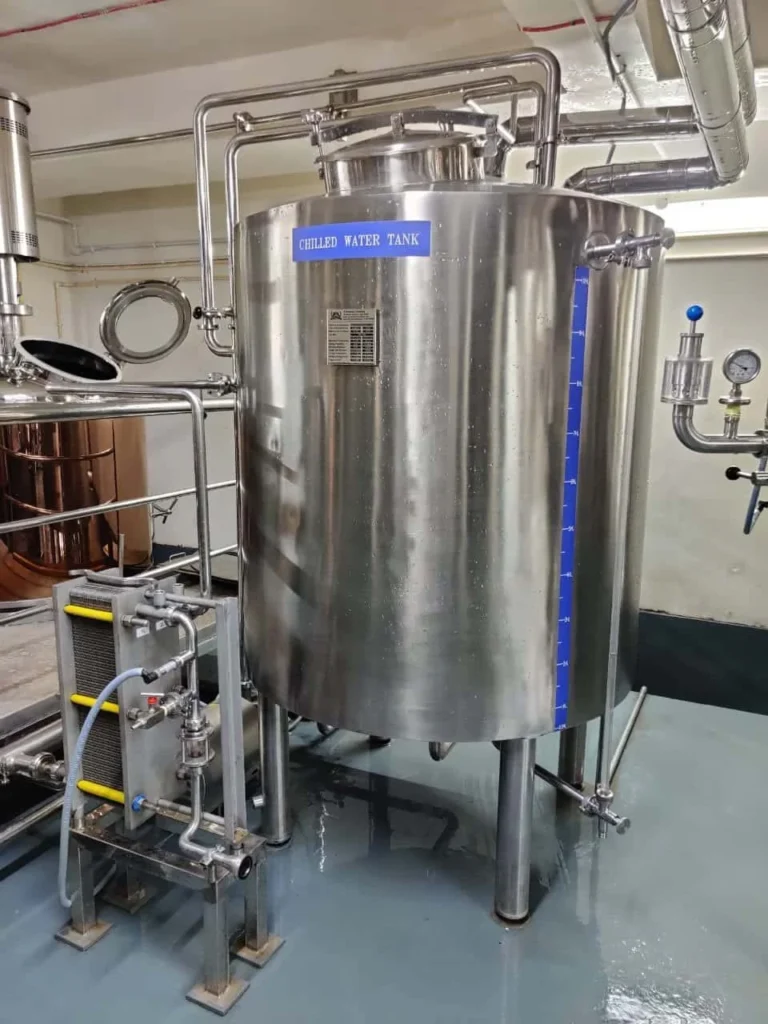
Propylene glycol must be stored carefully in airtight, temperature-controlled containers to maintain its quality and prevent contamination. Following industry standards, regulatory compliance, and safety protocols ensures both product integrity and workplace safety. Understanding Propylene Glycol Storage Requirements What is Propylene Glycol? Propylene glycol is a versatile chemical widely used in industries for its properties as […]
Glycol Holds Heat Longer Than Water
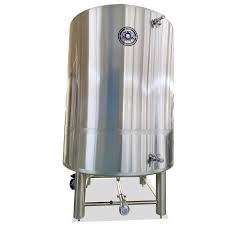
[ez-toc] Glycol retains heat longer than water, making it an efficient medium for heating and cooling systems in industrial applications. Its superior thermal properties improve energy efficiency and system reliability, though proper handling and monitoring are essential due to viscosity and environmental considerations. Understanding Glycol Heat Retention and Its Industrial Benefits What is Glycol? Glycol […]