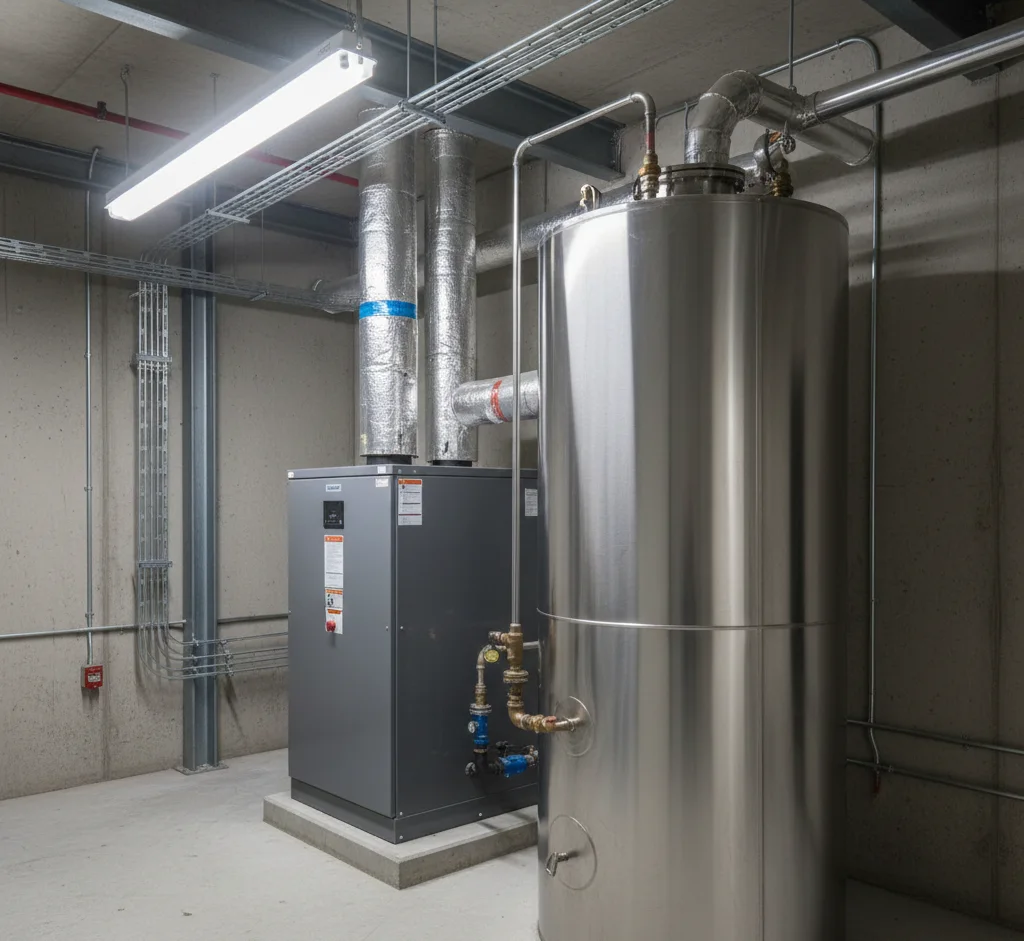
Cryogenic storage tanks require materials that maintain strength, durability, and corrosion resistance at extremely low temperatures to safely store gases and liquids. Common materials include stainless steel, aluminum, nickel alloys, and composites, each offering unique advantages for different industrial applications.
Introduction to Cryogenic Storage Tanks
Overview of Cryogenic Storage Tanks
Cryogenic storage tanks are vital for storing gases and liquids at extremely low temperatures. These tanks are widely used in industries such as energy, healthcare, aerospace, and advanced manufacturing, where precise temperature control and safety are essential. In many cases, cryogenic tanks are engineered as specialized pressure vessels designed to handle both extreme cold and internal pressure safely.
At Red River LLC, cryogenic tank fabrication is approached with the same rigor applied to all custom vessel solutions, combining advanced engineering, certified welding, and quality-driven manufacturing processes.
Importance of Material Selection
Choosing the right materials for cryogenic storage tanks is critical to performance and safety. Materials must withstand extreme cold without becoming brittle, cracking, or losing structural integrity. Improper material selection can lead to costly failures, safety hazards, and regulatory issues, especially in ASME-governed applications.
Material selection is a core part of safe vessel design, as outlined in Red River’s insights on choosing the right material for pressure vessel fabrication and safety and compliance in pressure vessel design.
Common Materials Used in Cryogenic Storage Tanks
Stainless Steel in Cryogenic Tanks
Stainless steel is one of the most widely used materials for cryogenic storage tanks due to its exceptional strength, toughness, and corrosion resistance at low temperatures. Austenitic stainless steels, in particular, retain ductility even in cryogenic environments, making them ideal for long-term service.
These qualities make stainless steel a frequent choice in ASME-certified pressure vessels and other mission-critical applications requiring proven reliability and compliance with industry codes.
Aluminum for Cryogenic Applications
Aluminum is another popular material used in cryogenic storage tanks, especially where weight reduction is a priority. Its lightweight nature and favorable thermal properties make it suitable for aerospace and transport-related cryogenic systems.
Aluminum fabrication techniques align well with modern metal fabrication practices and are often integrated into modular skid systems for efficient installation and scalability.
Nickel Alloys in Cryogenic Storage
Nickel alloys such as Inconel and Hastelloy are commonly used in demanding cryogenic environments where extreme temperature resistance, strength, and corrosion protection are required. These materials are particularly valuable in aerospace, chemical processing, and energy applications.
Nickel alloys are often selected for vessels exposed to harsh operating conditions, similar to those discussed in types of industrial pressure vessels and failure criteria for pressure vessels.
Composite Materials and Their Benefits
Composite materials are gaining traction in modern cryogenic storage applications. By combining multiple materials, composites offer reduced weight, improved thermal performance, and enhanced resistance to corrosion and fatigue.
As innovation continues, composite tanks are increasingly discussed in forward-looking solutions like exploring the characteristics and applications of Type 3 pressure vessels and emerging fabrication technologies.
Properties Required for Cryogenic Tank Materials
Thermal Conductivity
Low thermal conductivity is essential in cryogenic tank materials to minimize heat transfer and maintain ultra-low storage temperatures. Effective thermal performance reduces boil-off losses and improves system efficiency, especially in energy and industrial gas applications.
These principles are closely related to Red River’s broader expertise in pressure vessel manufacturing processes and advanced thermal management solutions.
Strength and Durability
Cryogenic materials must retain strength and durability even at extremely low temperatures. Structural integrity is critical for preventing deformation, leaks, or catastrophic failure under pressure.
This requirement aligns with best practices discussed in understanding the essentials of safe pressure vessel design and important points to be considered while designing a pressure vessel.
Corrosion Resistance
Corrosion resistance directly impacts the service life and maintenance costs of cryogenic storage tanks. Stainless steel and nickel alloys provide excellent protection against oxidation, chemical exposure, and environmental degradation.
Long-term durability is a major focus in quality assurance in custom pressure tank manufacturing and certification of pressure vessels.
Low-Temperature Toughness
Low-temperature toughness is essential for preventing the material from becoming brittle and cracking under stress. In addition, materials with high toughness can absorb impact without fracturing, making them ideal for cryogenic applications. For example, composite materials often exhibit these characteristics, making them a preferred choice in specific industries.
Selecting the Right Materials for Safe and Efficient Cryogenic Storage
The performance and safety of cryogenic storage tanks depend heavily on choosing materials that can withstand extreme low temperatures without compromising strength, durability, or corrosion resistance. Stainless steel remains the industry standard for reliability and long service life, while aluminum offers valuable weight savings for transport and aerospace uses. Nickel alloys provide exceptional performance in the harshest environments, and advanced composites are emerging as innovative solutions that combine strength, efficiency, and reduced mass.
Ultimately, the optimal material choice is driven by the specific application, operating conditions, regulatory requirements, and lifecycle expectations. By carefully matching material properties to system demands, manufacturers can ensure safe containment, minimal thermal losses, and long-term operational integrity. As cryogenic technologies continue to advance across energy, medical, and industrial sectors, thoughtful material selection will remain the foundation of dependable, high-performance storage solutions.
Need a reliable partner?
Red River specializes in the design and manufacturing of pressure vessels. We also fabricate related items such as prefabricated spools and skid packages.
Reach Out to us today and experience the Red River difference. Where American Made and American Values come together, we care more.
Frequently Asked Question
1. Why is stainless steel commonly used in cryogenic garage tanks?
Stainless steel is a preferred material for cryogenic storage tanks because it maintains its electricity and structural integrity at very low temperatures. Its resistance to corrosion guarantees long-term durability, making it a reliable choice for effectively storing cryogenic substances.
2. How does aluminum examine to stainless-steel for cryogenic garage tanks?
Aluminum is lighter than chrome steel and gives the right thermal conductivity, which helps preserve the low temperatures wished for cryogenic storage. While it is also immune to corrosion, aluminum won’t be as robust as chrome steel at extremely low temperatures. However, its lighter weight can be useful in packages where weight reduction is important.
3. What are the benefits of the usage of nickel alloys in cryogenic storage tanks?
Nickel alloys, which include Inconel and Hastelloy, offer outstanding electricity and corrosion resistance at cryogenic temperatures. These materials are ideal for applications that require excessive overall performance in worrying environments. Nickel alloys are usually used in industries like aerospace, wherein reliability and sturdiness are paramount.
4. Can composite substances be used for cryogenic storage tanks?
Yes, composite materials are an increasing number of being used in cryogenic storage tanks. They offer an aggregate of properties, inclusive of more desirable performance, reduced weight, and advanced resistance to temperature variations and corrosion. These materials are especially useful in applications where both electricity and weight reduction are critical.
5. What elements must be considered while selecting substances for cryogenic garage tanks?
When choosing materials for cryogenic garage tanks, numerous elements should be taken into consideration, which include thermal conductivity, electricity and sturdiness, corrosion resistance, and low-temperature sturdiness. The selected cloth has to keep its structural integrity at very low temperatures and be proof against environmental elements that could cause degradation over the years.
Key Takeaways
- Stainless steel provides excellent strength, corrosion resistance, and durability at cryogenic temperatures.
- Aluminum is lightweight with good thermal conductivity, suitable for temperature-sensitive applications.
- Nickel alloys offer superior strength and corrosion resistance for high-performance and demanding environments.
- Composite materials combine multiple benefits, including reduced weight, enhanced performance, and resistance to temperature fluctuations.
Related Blog Post
Can Condensate Storage Improve Reliability?
Where Do Condensate Tanks Fit in a Steam System?
Which Nozzles Simplify Maintenance on Pressure Vessels?
How to Vent Condensate Tanks in Steam Systems