
Comprehensive Guide to Controlling Pressure Hazards
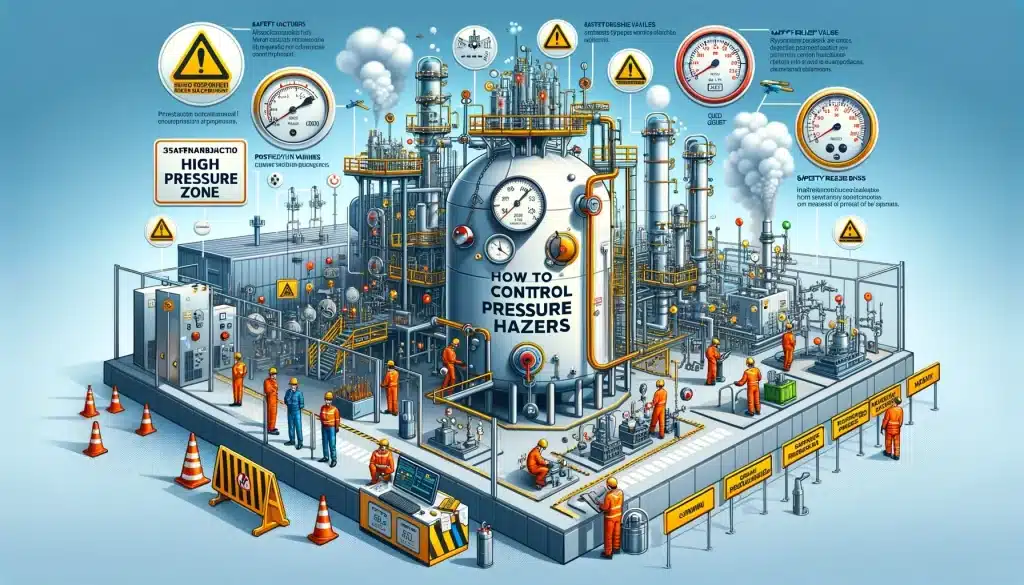
Pressure hazards pose serious risks in industrial environments, especially in oil, gas, and chemical sectors. This guide covers the most common causes like over-pressurization and corrosion and explains how to prevent failures using risk assessments, OSHA compliance, regular inspections, and modern technologies like IoT and automation. Plus, get expert tips on PPE, training, and emergency […]
Understanding OSHA Pressure Relief Valve Regulations
OSHA requires strict standards for the design, testing, and documentation of pressure relief valves to prevent overpressure accidents. Key rules include 29 CFR 1910.169 and ASME Section VIII, with annual inspections and proper recordkeeping mandatory. This guide breaks down technical specs, compliance checklists, and best practices to help your facility stay safe and avoid costly […]
Understanding Pressure Vessel Inspection Requirements
Regular inspections of pressure vessels are legally required and essential for safety, performance, and compliance. This guide explains how often to inspect, what standards apply (like ASME and API 510), the types of testing used (especially NDT), and how inspections reduce downtime and liability. Whether you’re in oil, gas, biogas, or manufacturing this is your […]
Understanding OSHA’s Definition of High Pressure
OSHA classifies high pressure as systems typically exceeding 150 PSI, though exact thresholds depend on equipment type and industry. To comply with OSHA’s safety standards such as those outlined in 29 CFR 1910 employers must conduct regular equipment inspections, train employees on emergency procedures, and maintain proper labeling and documentation. Common violations include missing training […]
Understanding PED Marking A Comprehensive Guide
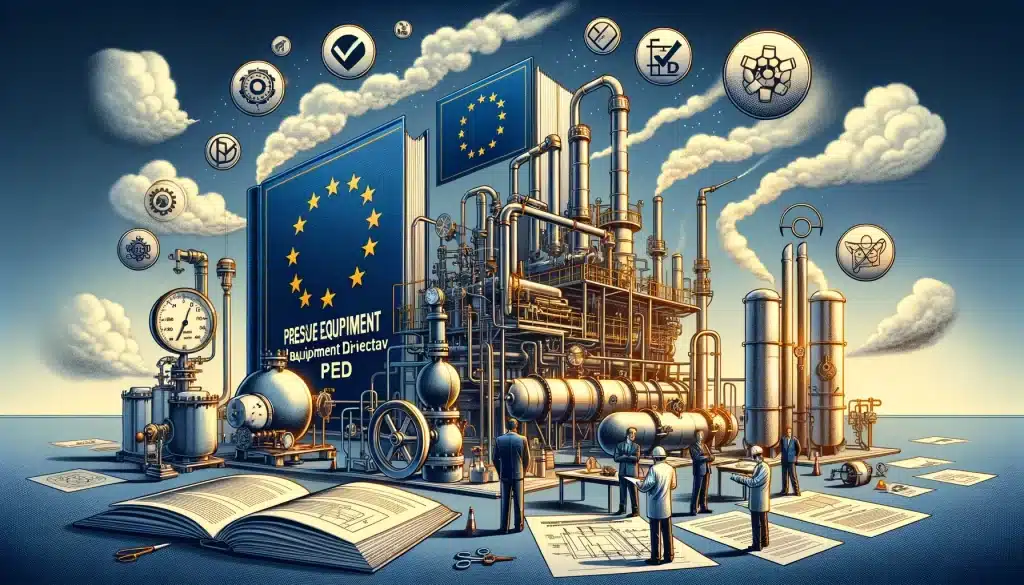
The Pressure Equipment Directive (PED 2014/68/EU) is the EU’s core safety framework for pressure equipment above 0.5 bar, setting strict requirements for design, manufacture, documentation, and conformity assessment across risk categories I–IV. It uses a risk-based approach (with modules like A2 and B + D) and involves Notified Bodies where needed to ensure safe, traceable, […]
Three Main Hazards from Pressure-Related Incidents
Pressure-related hazards common in industries like oil & gas and energy stem from equipment failure, explosive releases, or human error. This guide explains the science behind these risks, how to prevent them, and the OSHA regulations that govern pressure system safety. Learn best practices for inspections, equipment maintenance, staff training, and emergency planning. Includes real-world […]
Understanding the Maximum Allowable Working Pressure of a Vessel
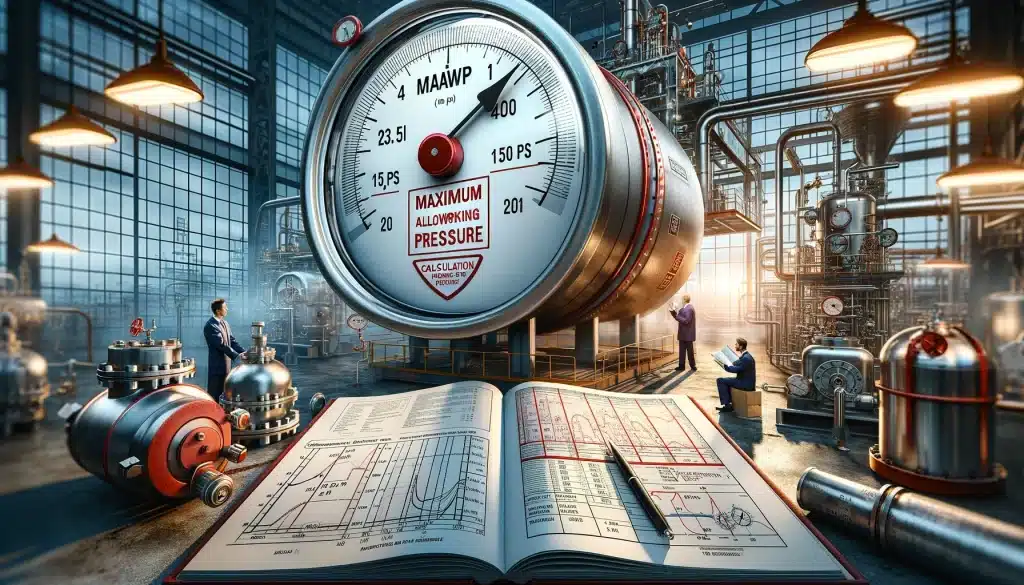
MAWP is the highest pressure a vessel can safely withstand under specified conditions. It’s determined by factors like material strength, vessel thickness, shape, and temperature. This guide explains how MAWP is calculated using ASME standards, how it’s influenced by temperature and design, and its role across industries like chemical processing and pharmaceuticals. With Red River’s […]
Understanding Pressure Vessel Failure Criteria

This guide explains how to prevent pressure vessel failures by understanding the root causes like corrosion, material defects, and overpressure and following critical standards such as ASME Section VIII and API 510. It covers inspection methods, design best practices, and how technologies like AI are shaping predictive maintenance. Whether you’re in oil & gas, energy, […]
Understanding the Risks: The Three Major Hazards of Pressure Vessels
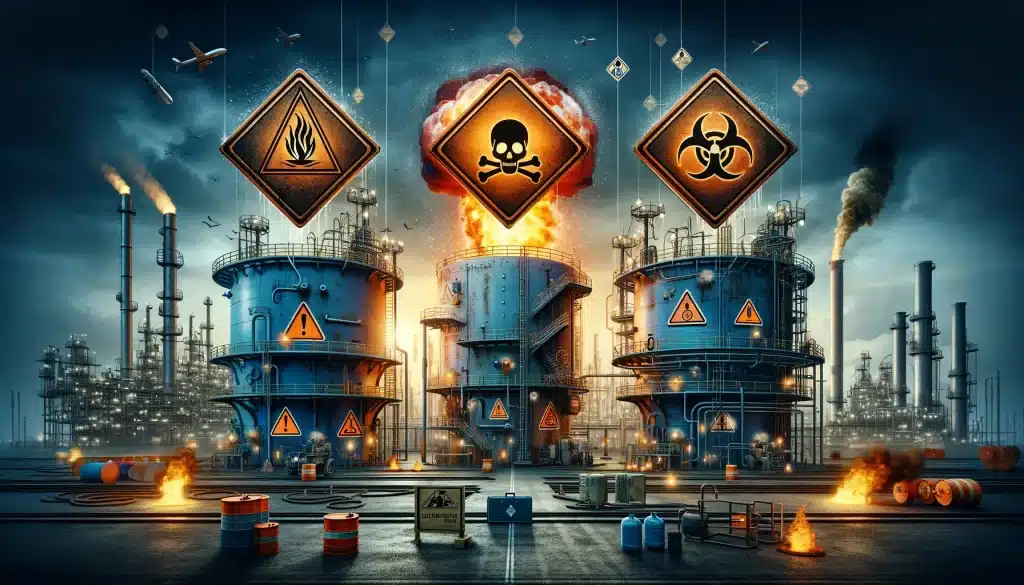
Pressure vessels pose three major hazards: overpressure, corrosion, and external damage. Overpressure often results from temperature spikes, valve blockages, or control system errors and can be prevented with properly rated relief valves, real-time monitoring, and scheduled pressure testing. Corrosion and material failure stem from chemical exposure or poor material choices, best mitigated through resistant alloys, […]
Understanding Failure Criteria for Pressure Vessels

Understanding Failure Criteria for Pressure Vessels Pressure vessels play a critical role in various industrial applications, from chemical plants and power generation facilities to oil refineries and aerospace engineering. These vessels are designed to contain and withstand the pressure exerted by their contents, which can range from gases and liquids to steam and chemicals. Ensuring […]