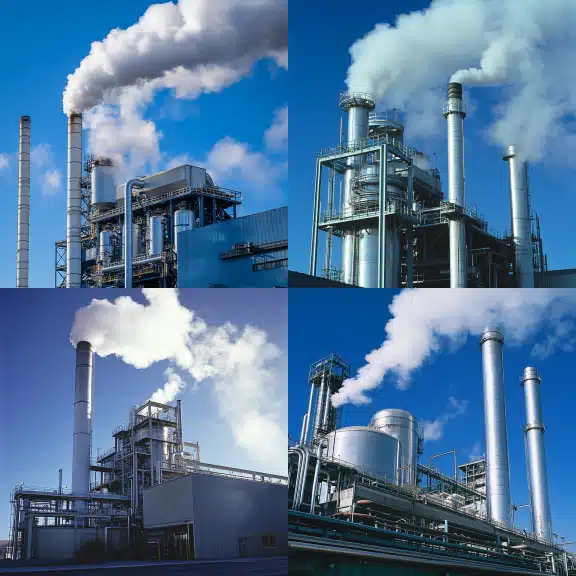
Scrubbers use chemicals like limestone, activated carbon, and sodium hydroxide to remove harmful pollutants from industrial exhaust gases. These chemicals neutralize acidic gases and adsorb volatile organic compounds (VOCs), helping industries meet environmental regulations, improve air quality, and promote sustainability.
How Chemicals in Scrubbers Control Air Pollution
Understanding the role of chemicals used in scrubbers is essential for effective air pollution control. Scrubbers are key components in industrial air pollution control systems, designed to remove harmful pollutants from exhaust gases emitted by manufacturing and energy processes. In this guide, we explore how chemicals like limestone, lime, and activated carbon enhance scrubber efficiency, contributing to cleaner air and environmental sustainability. By neutralizing pollutants and facilitating chemical reactions, scrubbers help industries meet environmental compliance standards. Whether you’re in manufacturing, power plants, or other industrial sectors, understanding the science behind scrubber chemicals can improve both your operational efficiency and environmental impact.
Understanding Scrubber Systems and Their Role in Air Pollution Control
Alkaline Sorbents:
- Limestone (CaCO3): Widely used in wet scrubbers, limestone helps eliminate acidic gases, especially sulfur dioxide (SO2). It reacts with SO2 to produce calcium sulfate (CaSO4) or calcium sulfite (CaSO3), which are collected as solid residues. This is a crucial process for industries engaged in carbon capture and improving VOC reduction in exhaust emissions. For more insights on scrubber chemistry, see understanding the mechanics of a scrubber machine.
- Activated Carbon: Activated carbon plays a key role in VOC reduction, adsorbing volatile organic compounds from exhaust gases. VOCs are harmful chemicals emitted in many industrial processes, and activated carbon efficiently removes them, ensuring cleaner air and environmental sustainability.
Sodium Hydroxide (NaOH) or Potassium Hydroxide (KOH):
Used in wet scrubbers, these strong alkaline solutions are highly effective in neutralizing acidic gases. For example, they can tackle hydrogen chloride (HCl) or hydrogen fluoride (HF), which are emitted in industrial strategies. Consequently, their application ensures cleaner exhaust emissions and aligns with environmental compliance standards.
Sodium Bicarbonate (NaHCO3) or Ammonium Bicarbonate ((NH4)HCO3):
Utilized in dry scrubbers, these chemicals react with acidic gases like SO2 or HCl, with products captured by particulate control devices. This is an ideal approach for specific industrial applications, including fuel-water separation systems.
Activated Carbon:
For VOC Removal: Activated carbon is used in scrubbers designed to eliminate risky organic compounds (VOCs) from commercial emissions. Specifically, it adsorbs VOC molecules onto its porous surface, efficiently decreasing their concentration within the exhaust gas flow. Hence, it is a preferred choice for handling VOC emissions.
Other Additives and Chemicals:
Antioxidants and Corrosion Inhibitors: These are occasionally included in scrubbing solutions to prevent oxidation and corrosion of scrubber components exposed to harsh chemicals. They extend equipment lifespan and enhance reliability, complementing pressure vessel maintenance.
Considerations for Chemical Usage in Scrubbers
Efficiency and Selectivity:
- Chemical Reaction Efficiency: The effectiveness of scrubbers depends on how efficiently chemical reactions occur between the scrubbing medium and pollutants. Optimizing chemical dosing and reaction times enhances pollutant removal and overall system performance.
Environmental Impact:
- Waste Disposal: Proper management of stable residues and spent scrubbing solutions is essential to avoid environmental contamination. Moreover, recycling and reusing scrubbing solutions, when feasible, reduce chemical intake and waste generation. Thus, it promotes sustainable practices.
- Water Usage: Wet scrubbers require significant water consumption for their operations. To address this, sustainable water management practices minimize environmental impacts and ensure compliance with regulatory requirements.
Operational Considerations:
- Cost Effectiveness: Balancing chemical expenses with pollutant elimination efficiency is vital for optimizing operational costs in scrubber systems. In this way, businesses can achieve better long-term financial outcomes.
- Safety: Handling and storage of chemical compounds must comply with safety policies. Implementing best practices protects personnel and reduces risks associated with chemical exposure, aligned with welding and fabrication safety standards.
Partner with Red River for Cleaner, Compliant, and Efficient Scrubber Solutions
At Red River, we specialize in designing and manufacturing high-quality pressure vessels, including prefabricated spools and skid packages tailored to your industrial needs. Our expertise ensures your scrubber systems operate efficiently, meet environmental standards, and deliver long-term reliability.
Contact us today to see how Red River’s American-made solutions can enhance your operations and sustainability goals.
Frequently Asked Questions
1. What are the number one chemical materials utilized in wet scrubbers for SO2 removal?
Limestone (CaCO3), lime (CaO), and sodium hydroxide (NaOH) are typically used for SO2 removal in wet scrubbers.
2. How does activated carbon contribute to VOC removal in scrubbers?
Activated carbon adsorbs volatile organic compounds (VOCs) onto its porous surface, effectively reducing their concentration in exhaust gas streams.
3. Are there options for standard chemical substances for pollutant removal in scrubbers?
Some scrubbers use sodium bicarbonate (NaHCO3) or ammonia (NH3) for specific pollutant elimination, depending on the industrial application and emission type.
4. What environmental concerns need to industries preserve in thoughts whilst the use of chemical substances in scrubbers?
Industries need to manage chemical waste disposal, optimize water usage, and adhere to protection policies to reduce environmental impact and ensure sustainable operation of scrubber systems.
5. How can industries optimize chemical usage in scrubbers for value performance?
Optimizing chemical dosing, recycling scrubbing solutions, and exploring opportunities for chemical substances or additives can assist industries in balancing price effectiveness with pollutant removal performance in scrubber operations.
Key Takeaways:
- Effective Pollutant Removal: Chemicals like limestone and activated carbon play a crucial role in removing sulfur dioxide (SO₂), VOCs, and other pollutants from industrial emissions.
- Alkaline Sorbents: Limestone, lime, and sodium hydroxide are used in wet scrubbers to neutralize acidic gases, while sodium bicarbonate and ammonium bicarbonate are effective in dry scrubbers.
- VOC Reduction: Activated carbon is a key material used in scrubbers to adsorb VOCs, reducing their concentration in exhaust gases and ensuring cleaner air.
- Environmental Impact: Managing chemical waste, optimizing water usage, and recycling scrubbing solutions help mitigate the environmental footprint of scrubber systems.
- Cost Efficiency and Safety: Balancing chemical expenses with pollutant removal effectiveness is essential for operational efficiency, while safety protocols must be followed to protect workers.
Related Blog Post

Sheet Metal Fabrication Services in Texas: Red River LLC

Why Use Custom Sheet Metal Fabrication for Your Next Project

How Does Custom Sheet Metal Fabrication Work?

What Is Custom Sheet Metal Fabrication? Red River LLC

How to Pass the 5G Welding Test: Proven Strategies
No related articles found.
About Author