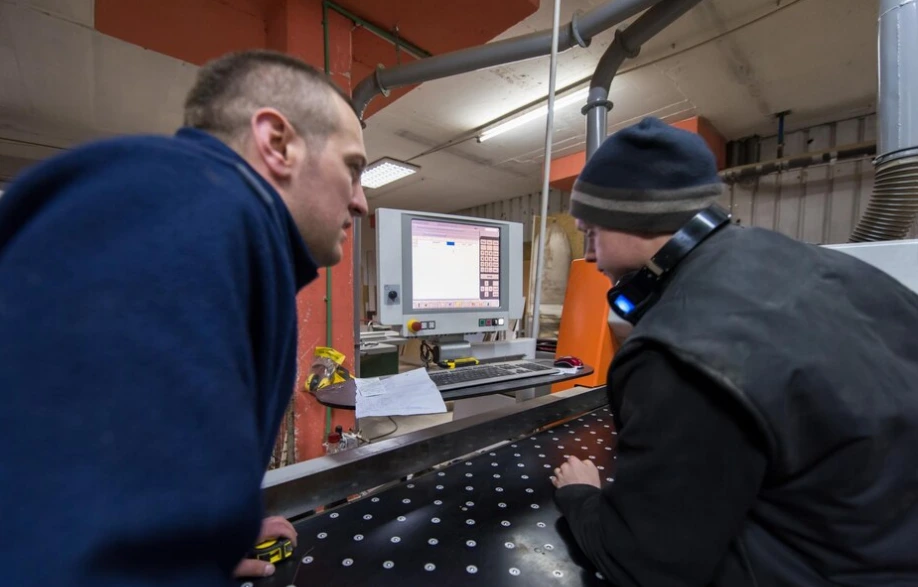
Digital radiography vs. film is a critical decision in weld defect analysis. Digital methods offer speed, safety, and efficiency, while film radiography remains relevant for legacy compliance and ultra-high-resolution needs.
Why Digital Radiography vs. Film Matters in Weld Defect Analysis
Digital radiography vs. film directly impacts how weld defects are detected, interpreted, and documented. In industries where weld integrity is essential, inspection accuracy affects safety, compliance, and long-term performance. Choosing between these two radiographic methods influences inspection timelines, operating costs, and data handling practices.
Understanding digital radiography vs. film helps decision-makers balance modern efficiency with traditional reliability. Each method has strengths that suit specific inspection environments, regulatory frameworks, and project requirements.
Understanding Weld Defect Analysis
Weld defect analysis is the systematic evaluation of welded joints to identify imperfections that may compromise strength or durability. Digital radiography vs. film plays a central role in this process, as radiographic testing is one of the most trusted non-destructive testing methods used to assess internal weld quality.
Importance of Non-Destructive Testing in Welding
Non-destructive testing allows inspectors to evaluate welds without cutting, grinding, or damaging the component. This approach preserves structural integrity while revealing defects such as porosity, cracks, lack of fusion, and inclusions. In safety-critical applications, early detection prevents costly failures and operational risks.
The Role of Radiography in Detecting Internal Flaws
Radiography uses controlled radiation to create an image of a weld’s internal structure. Differences in material density reveal inconsistencies that may not be visible on the surface. Whether using digital radiography or film, this technique provides a reliable view into weld quality.
Common Industries Requiring High-Integrity Weld Inspections
Industries that depend on high-integrity welds include oil and gas, power generation, aerospace, shipbuilding, construction, and chemical processing. In these sectors, inspection accuracy is essential for meeting safety standards and maintaining operational reliability.
What Is Film Radiography?
Film radiography is the traditional approach to weld inspection using photographic film to capture radiographic images. Despite advances in digital technology, film remains widely recognized and accepted in many inspection programs.
Overview of Traditional X-Ray Film Techniques
In film radiography, radiation passes through the weld and exposes a photosensitive film. The film is then chemically processed to produce a detailed image of internal features. This method has been used for decades and is supported by established procedures.
Pros: High Resolution and Proven Reliability
Film radiography delivers excellent image resolution, making it effective for detecting very fine discontinuities. Its long history means it is familiar to inspectors and widely accepted by regulatory bodies.
Cons: Time, Chemicals, and Storage Demands
Film processing requires darkroom facilities, chemical handling, and longer turnaround times. Physical storage is necessary, and images cannot be easily enhanced or shared without additional steps.
What Is Digital Radiography?
Digital radiography represents a modern evolution in weld inspection. Instead of physical film, digital detectors capture images electronically, allowing immediate review and analysis.
How Digital Radiography Works in Weld Inspection
Digital systems convert radiation signals into electronic images displayed on a computer. Inspectors can evaluate weld quality almost instantly, reducing delays and improving workflow efficiency.
Types of Digital Radiography Systems
Computed radiography uses reusable imaging plates that are scanned into a digital format. Direct digital radiography uses flat-panel detectors to capture images in real time, offering the fastest results.
Advantages: Speed, Flexibility, and Safety
Digital radiography provides immediate image availability, easy storage, and advanced image manipulation tools. Reduced chemical use and lower radiation exposure improve workplace safety and environmental performance.
Digital Radiography vs. Film: Key Comparison
Comparing digital radiography vs. film highlights practical differences that affect inspection outcomes.
Image Quality and Interpretation
Film radiography can offer higher raw resolution, which is valuable for detecting extremely small defects. Digital radiography, however, allows contrast adjustment and zooming, often making defects easier to interpret.
Inspection Speed and Productivity
Digital radiography significantly reduces inspection time. Without film development, inspectors can make decisions faster and minimize downtime.
Cost Efficiency Over Time
While digital systems require higher initial investment, they reduce ongoing costs by eliminating film, chemicals, and extensive labor. Over time, this leads to greater cost efficiency.
Data Management and Record Keeping
Digital images are easy to archive, retrieve, and share, improving collaboration and documentation. Film requires physical storage and is vulnerable to degradation.
Safety and Environmental Considerations
Digital radiography eliminates chemical waste and typically requires lower radiation exposure. Film radiography involves chemical handling and higher environmental impact.
When to Use Each Method
Situations Where Film Radiography Is Still Preferred
Film radiography may be required for regulatory compliance or legacy contracts. It is also favored when ultra-high-resolution detail is critical.
Industries Transitioning Toward Digital Solutions
Many industries are adopting digital radiography to streamline inspections and improve safety. Faster results and easier data handling make digital methods attractive for modern operations.
Hybrid Approaches in Practice
Some inspection programs use both methods, applying digital radiography for routine inspections and film for final verification in high-stakes applications.
Choosing Digital Radiography vs. Film for Weld Inspection
Digital radiography vs. film is not a one-size-fits-all decision. Film offers proven reliability and exceptional detail, while digital radiography delivers speed, efficiency, and modern data management. Selecting the right method depends on inspection requirements, standards, and operational priorities.
By understanding the strengths of each approach, organizations can align their inspection strategy with safety goals and project demands.
Need a Reliable Partner?
Red River specializes in the design and manufacturing of pressure vessels. We also fabricate related items such as prefabricated spools and skid packages.
Reach Out to us today and experience the Red River difference. Where American Made and American Values come together, we care more.
Contact us: https://www.redriver.team/contact
Request a quote: https://www.redriver.team/request-a-quote
Frequently Asked Questions
1. What is weld defect analysis?
Weld defect analysis involves inspecting welds to identify flaws that could affect strength, safety, or performance.
2. Why is radiography important in weld inspection?
Radiography reveals internal defects without damaging the component, making it essential for safety-critical applications.
3. What is the main advantage of digital radiography vs. film?
The primary advantage is speed, as digital systems provide immediate results and easier data handling.
4. Is film radiography still relevant today?
Yes, film radiography remains relevant for regulatory compliance and inspections requiring extremely high resolution.
5. Which method is safer for inspectors?
Digital radiography is generally safer due to reduced radiation exposure and the elimination of chemical processing.
6. Can digital and film radiography be used together?
Yes, some inspection programs use both methods to balance efficiency and compliance.
Key Takeaways
- Digital radiography vs. film affects inspection speed, safety, and cost
- Digital methods offer faster results and easier data management
- Film radiography provides proven reliability and high resolution
- Safety and environmental impact favor digital solutions
- The best choice depends on standards, project needs, and long-term goals
Related Blog Post
Pressure Vessel Design & Engineering: Concept to Launch
What is Pressure Vessel Design and Engineering: Code-Ready Guide
What are the Key Factors in Pressure Vessel Engineering
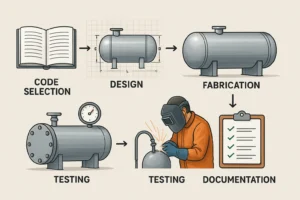
How Do You Design a Pressure Vessel: A Step-By-Step Guide
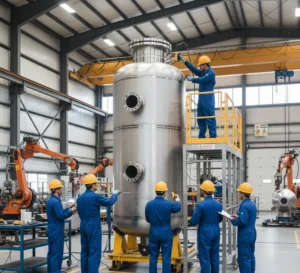
What is Pressure Vessel Fabrication and Manufacturing
No related articles found.