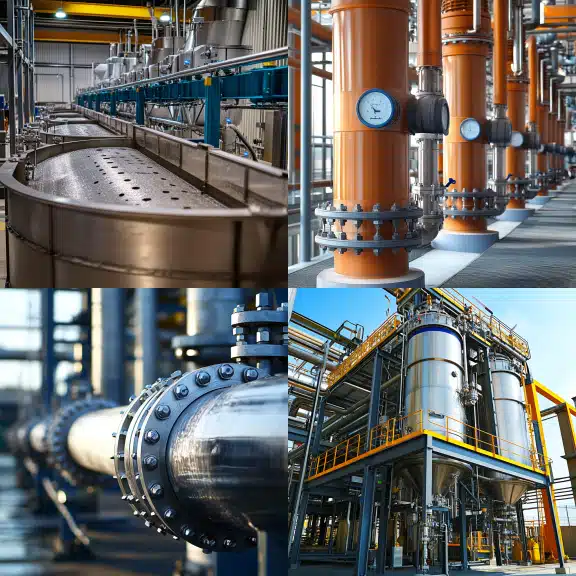
Separators are essential tools in industrial processes, functioning by exploiting differences in material properties like density and particle size. Understanding their basic principles helps enhance efficiency, reduce waste, and improve safety across various industries. Red River offers tailored separator solutions designed to optimize your specific operational needs.
What Are Separators and Why Are They Important?
At Red River, we understand that efficiency and safety are paramount in business processes. Separators are essential tools for enhancing operational efficiency and safety across various industries. They operate based on the basic principle of separator work, which involves dividing an aggregate into parts based on physical properties. But what exactly are separators, and why are they essential across industries?
Definition and Overview of Separators
Separators are vital tools used in industrial processes to divide materials based on size or density. Whether separating fuels from beverages, solids from liquids, or dense materials from lighter ones, separators utilize precise methods to achieve efficient results. Grasping the basic working principle of separators helps explain their critical role in numerous industrial applications.
Common Applications in Industrial Settings
In industries like oil and gas, electricity, and biogas, separators are indispensable. They ensure smooth operations by effectively isolating unwanted elements from desired ones, improving the quality of final products. For example, in oil refineries, separators remove water and sediments from crude oil, streamlining the refining process. These systems not only enhance efficiency but also contribute to a greener, more sustainable workflow. Learn how separators work in oil-water separation.
The Role of Separators in Efficiency and Safety
Efficiency in business isn’t just about speed it’s also about precision. Separators ensure that each component of an aggregate is handled efficiently. They reduce risks by stopping the buildup of hazardous materials and isolating harmful substances. This dual focus on safety and productivity makes separators critical in industries where both are priorities. Explore the importance of separator technology and how it contributes to safety.
The Fundamental Working Principle of Separators
How Separators Function: A Step-with the aid of-Step Explanation
Separators function by exploiting differences in material properties, such as density, particle size, and magnetic properties. These systems use advanced techniques, such as gravity or centrifugal force, to isolate unwanted materials. For instance, denser particles settle more quickly, leaving lighter ones behind. The result is the efficient separation of materials into clean, isolated outputs liquid, gas, or solid ready for subsequent processing. Learn more about the working principle of pressure vessels.
Types of Separators and Their Specific Operations
Separators are designed to handle various challenges. For example:
- Fuel-liquid separators remove droplets from fuel systems.
- Three-segment separators manage fuel, oil, and water simultaneously.
Each type is designed to handle specific material combinations, ensuring optimal reliability and performance. Get insights into separator types and their applications.
Key Factors Influencing Separator Performance
Several elements affect separator performance, including design, aggregate properties, and operating conditions. By knowing these factors, you can ensure your separators perform reliably and efficiently. Learn how to optimize separator performance.
Benefits of Using Separators in Your Industrial Process
Improved Product Quality
One significant benefit of using separators is the enhanced quality of the end product. By effectively removing impurities or unwanted components, separators ensure the final product consistently meets high standards. This is particularly critical in industries like oil and gas, where even minor contaminants can compromise performance and safety.
Enhanced Operational Efficiency
Separators also boost operational efficiency by reducing the need for manual intervention. By automating separation processes, separators reduce downtime, enhance productivity, and streamline operations. Their precision ensures smooth workflows, reducing errors and maintaining consistent output.
Cost Savings and Environmental Impact
In addition to improving quality and efficiency, separators offer substantial cost savings. By optimizing processes, they reduce waste and energy consumption, which can lower operational expenses. Additionally, by isolating and managing waste effectively, separators help minimize environmental impact, supporting sustainability efforts.
Choosing the Right Separator for Your Needs
Factors to Consider When Selecting a Separator
When choosing a separator, several factors should be evaluated, including the type of material to be separated, operating conditions like temperature and pressure, and the desired output. Physical properties such as density, viscosity, and particle size also play a critical role in determining performance. Additionally, assessing long-term maintenance requirements and operational costs is critical for selecting the most cost-effective solution. By carefully considering these factors, you can select a separator that meets your technical and budgetary requirements. Read more on selecting separators.
Custom Separator Solutions utilizing Red River
At Red River, we know there’s no one-size-fits-all solution. That’s why we offer custom separators tailored to your needs. Our team works closely with you to evaluate your operational requirements and design a system that delivers maximum performance. Whether your priority is quality, efficiency, or sustainability, our separators are built to exceed expectations and add value to your operations. Discover our custom separator solutions.
Ready to Optimize Your Process?
At Red River, we specialize in designing and manufacturing custom separator solutions that cater to your unique operational needs. Our experts work with you to ensure that you get the most efficient, cost-effective, and sustainable separators for your business.
Contact us today to learn how we can improve your operational efficiency, reduce waste, and enhance safety with our tailored separator solutions. Let’s elevate your process together!
Frequently Asked Questions
1. What are the different types of separators used in industrial applications?
There are various styles of separators designed for specific applications. Common types include:
- Fuel-liquid separators, which remove liquid droplets from gasoline streams.
- Liquid-liquid separators, which separate immiscible liquids like oil and water.
- Stable-liquid separators, which isolate solids from liquid mixtures.
Additionally, three-segment separators handle fuel, oil, and water simultaneously, commonly used in industries like oil and gas. The type of separator you need depends on the materials being processed and the desired outcome.
2. How does a centrifugal separator vary from a gravity separator?
While both separators rely on density differences, their mechanisms vary:
- A gravity separator uses natural settling to separate materials, relying on gravity to do the work.
- A centrifugal separator accelerates separation using rotational force.
Centrifugal separators are particularly effective for quickly separating fine particles or for processes that require high precision compared to gravity-based methods.
3. What factors must be taken into consideration while maintaining a separator?
Proper maintenance ensures long-term efficiency and performance. Key steps include:
- Regularly inspecting and cleaning internal components to prevent clogging.
- Monitoring pressure and temperature levels to ensure optimal operation.
- Checking seals and gaskets to prevent leaks.
- Replacing worn-out components to reduce downtime and extend the separator’s lifespan.
Consistent maintenance keeps the separator running smoothly and minimizes costly repairs.
4. Can separators manage mixtures with various waft prices and compositions?
Yes, separators can handle mixtures with fluctuating flow rates and compositions. For example, separators with adjustable settings can adapt to changes in flow rates, ensuring consistent separation. Advanced separators equipped with sensors and automated features can adjust to shifts in material composition, maintaining optimal efficiency. However, it’s essential to choose a separator designed for the specific conditions of your operation to achieve the best results.
5. How does separator design influence its efficiency?
The layout of a separator notably impacts its efficiency. Key design factors consist of the shape and size of the separator, the inner additives like baffles or vanes that impact fluid dynamics, and the choice of substances utilized in creation. For instance, a nicely designed separator will reduce turbulence and maximize the time to be had for separation, main to more efficient operation. Additionally, separators designed quite simply for protection in thoughts can lessen downtime and enhance usual performance. Advanced design capabilities like multi-stage separation or enhanced internal go-with-the-flow styles can in addition enhance the separator’s performance, mainly in hard packages.
Key Takeaways:
- Function of Separators: Separators divide materials based on physical properties, such as density and particle size, ensuring efficient results in various industries.
- Types of Separators: Common types include centrifugal, magnetic, and gravity separators, each designed to address different material combinations.
- Benefits: Separators improve product quality, enhance operational efficiency, reduce costs, and support sustainability by minimizing waste and energy consumption.
- Choosing the Right Separator: Selecting the right separator involves evaluating material properties, operating conditions, and long-term maintenance needs.
- Customization and Performance: Red River provides custom separator solutions, ensuring optimal performance and tailored solutions for diverse industrial applications.
Related Blog Post
Thermal Storage Tanks for Data Centers
How Do Seismic Zones Impact Vessel Supports
What Anchorage Details Pass Review?
No related articles found.
About Author