
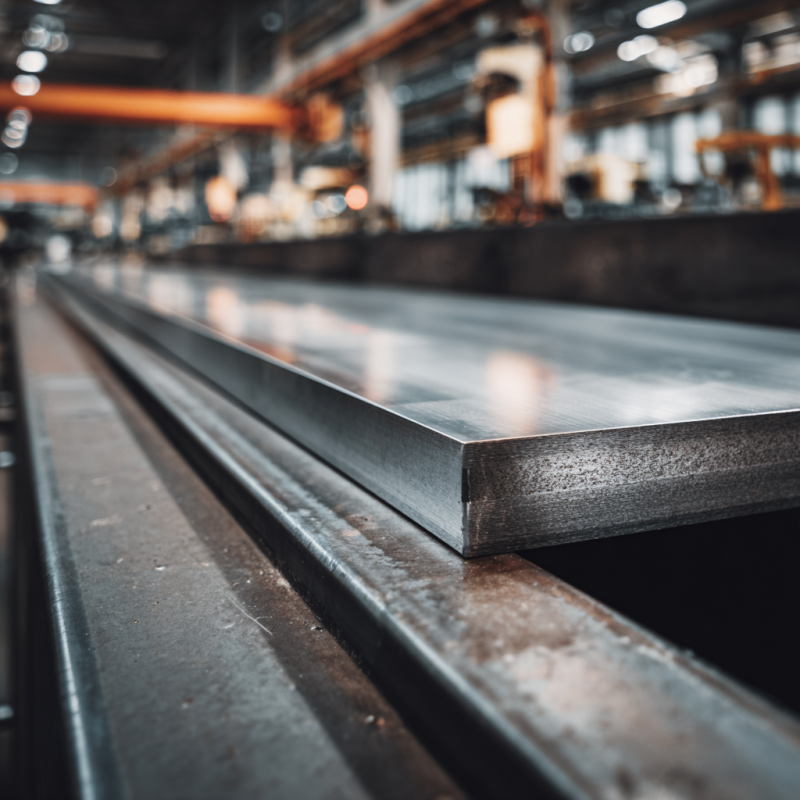
How Much Do Sheet Metal Fabrication Services Cost? Red River LLC
The cost of sheet metal fabrication services varies based on design complexity, materials, quantity, and finish. Prefabrication and modular builds can help reduce time, labor, and total project expenses.
Understanding How Much Do Sheet Metal Fabrication Services Cost
You’re probably curious about the main question here, “how much do sheet metal fabrication services cost?” It’s a natural thing to ask if you’re planning a new project and need metal parts in precise shapes or dimensions. Though it’s tempting to want a quick figure, costs vary widely depending on everything from design requirements to the choice of metal. Some projects might only need a simple bracket, while others call for complex, custom-built enclosures. Learn more about custom sheet metal fabrication processes and approaches.
In this guide, we’ll walk through the pricing factors that affect sheet metal fabrication, the ways prefabrication reduces expenses, and how to plan your budget wisely. By the end, you’ll feel more confident as you talk to potential partners or get a quote. You can also check our capabilities and solutions pages to see how RedRiver LLC handles specialized projects.
How Much Do Sheet Metal Fabrication Services Cost: Factors Influencing Your Quote
To understand sheet metal fabrication pricing, you need to know the key elements that shape your quote. Factors like design complexity, quantity, and lead time all influence costs. Considering sheet metal fabrication pricing early helps you plan effectively. Let’s explore four main factors that typically appear in any fabrication estimate you receive, ensuring a clearer budgeting process.
Material choice and form
Metal selection is crucial. Some materials are cheaper to procure, while others excel in durability, rust-resistance, or easy malleability. Here’s a quick look at common metals:
| Material | Pros | Typical applications |
| Aluminum | Lightweight, corrosion-resistant, easy to shape | Aerospace parts, vehicle components |
| Stainless steel | Durable, rust-resistant, hygienic | Food processing, medical instruments |
| Mild steel | Affordable, easy to weld | Construction, general structural uses |
Each metal has a unique price point. Learn about choosing the right material for pressure vessel fabrication for insights on durability and cost considerations.
Design complexity
Ever tried assembling a puzzle with thousands of oddly shaped pieces? That’s a bit like designing a complex metal part. The more intricate the geometry or the tighter the tolerances, the more you’ll pay for setup, programming, and manufacturing. Check out our guide to metal fabrication to see design considerations in action.
Quantity and lead time
How fast do you need those parts? Shorter lead times can bump up the price. Fabrication shops often juggle multiple projects, so to prioritize yours, they might charge a premium or add extra shifts. Bulk orders, on the other hand, usually lower the per-piece cost. Learn more about modular skids and off-site assemblies that reduce on-site labor.
Finishing and post-processing
Finishing processes like powder coating or plating can impact cost. More specialized finishes, such as chemical treatments, also add to your budget. Some metals like stainless steel require minimal finishing compared to mild steel.
Why Prefabrication Matters
Prefabrication is a proven way to reduce costs, improve quality, and shorten installation timelines. Prefabricated units arrive ready to assemble, reducing waste and labor. RedRiver offers pressure vessel prefabrication for safer and more efficient project execution.
Prefabrication and modular builds
Prefabrication often pairs with modular building methods, where major sections of your project are built off-site and then transported to your facility. These modules can include pipe spool packages, structural frames, or entire process units. Considering custom sheet metal parts cost early helps reduce labor hours and speed timelines by doing tasks in parallel. For large-scale projects, understanding custom sheet metal parts cost is crucial. If you want to learn more about specialized setups, explore custom sheet metal fabrication for tailored design approaches.
Balancing Costs with Labor and Expertise
Sheet metal fabrication involves more than feeding metal into a machine. The cost of custom metal fabrication depends on skilled labor, from an experienced welder who ensures secure joins to designers translating ideas into digital plans. Labor rates vary by complexity and experience.
- Complex welding or finishing typically commands higher hourly rates.
- Prototyping and design modifications might involve specialized software or engineering reviews.
- On-the-job problem-solving can save you money long-term, so paying for an experienced shop might reduce error and rework.
Some shops, like Red River, emphasize their quality control process. Maintaining rigorous testing and traceability can affect the cost of custom metal fabrication, but paying a bit more upfront helps you avoid hidden costs from failures or rework.
Estimating an Overall Price Range
Costs can range from a few hundred dollars for a single custom bracket to tens of thousands for industrial components. RedRiver lists typical fabrication roles to give perspective on specialized labor demands. Comparing quotes and sharing detailed CAD files or designs helps get accurate pricing.
Why Choose a Quality-focused Partner
Providers who exceed minimum standards, such as RedRiver LLC, focus on durable, high-quality outcomes. Their testing protocols ensure pressure vessels and components meet performance goals. Avoid future headaches by choosing a shop with robust expertise.
How Much Do Sheet Metal Fabrication Services Cost Overall
So, how much do sheet metal fabrication services cost when all is said and done? The answer, of course, is that it depends on your choice of materials, the complexity of your design, how quickly you need the project completed, and the level of durability or finishing you expect. If you opt for a provider who relies heavily on prefabrication, you may find sizable savings in reduced installation time and wasted materials. If your design is straightforward and you’re flexible with lead time, you’ll often see more favorable quotes.
Ultimately, getting a solid estimate starts with clear communication between you and your fabrication shop. The more precise your requirements, the easier it is for them to calculate labor and materials. From there, you can compare quotes, ask the right questions, and ensure you’re getting a fair deal. When you’re ready to explore more intricate details, check out metal sheet fabrication for additional insights on processes and techniques that might apply to your upcoming project.
Partner with RedRiver LLC for Reliable Fabrication Services
When you’re ready to explore sheet metal fabrication services, connect with RedRiver LLC. Our expert team provides precision, safety, and innovation to deliver results that meet your exact needs.
Frequently Asked Questions
1. What are sheet metal fabrication services?
Sheet metal fabrication services involve cutting, bending, welding, and assembling metal materials to create custom parts or structures for industrial, commercial, or residential applications.
2. How to choose a sheet metal fabrication service provider?
To choose a sheet metal fabrication service provider, evaluate their experience, certifications, equipment capabilities, material expertise, and communication transparency to ensure quality and project reliability.
3. Is prefabrication worth it for small projects?
It can be, especially if you value quick onsite installation or if you’re working with a tricky layout. Prefabrication reduces wasted time and site labor, which might save money in the long term.
4. How do I compare quotes from different fabricators?
Look at each shop’s breakdown of material, labor, finishing, and any special processes. Ask whether their quote includes testing or post-installation support. Also, check if they meet industry standards or hold relevant certifications.
5. Can I lower costs by providing my own metal?
Sometimes, providing your own metal can reduce material markup, but you might not see huge savings. Plus, the shop might prefer materials they source themselves to ensure quality and traceability. Always check with your fabricator first.
6. How important is lead time flexibility?
Being flexible with lead time can yield discounts. Fabricators can fit your job into their regular production schedule, which helps them avoid overtime or rushed operations.
7. Do I really need fancy finishing options?
It depends on what your project calls for. If it must tolerate corrosion or a harsh environment, protective finishes make sense. For more decorative pieces, a polished or powder-coated finish can boost aesthetic appeal. Decide based on function and desired looks.
8. Are there hidden fees I should watch out for?
Sometimes, there are fees for design revisions, shipping, or additional testing. Make sure to ask for a detailed quote that outlines each potential charge. Clarity up front prevents sticker shock later.
Key Takeaways
- Material selection is a major factor, so always match the metal to your design and environment.
- Finishing services, from powder coating to plating, add to your overall costs.
- Prefabrication can offer big savings in installation time and reduced job site labor.
- Flexible lead times often mean better rates due to easier scheduling and no rush fees.
- Good communication and detailed project specs lead to a more accurate, transparent quote.
Related Blog Post
How a Glycol System Works
Ethylene Glycol Water: A Complete Heat Transfer Guide
Water Filter Replacement
Why Use Stainless Steel Sheet Metal Fabrication?
How Does Stainless Steel Sheet Metal Fabrication Work
About Author



