

Red River LLC explains what is custom sheet metal fabrication, the process of turning flat metal sheets into precise, functional products. Learn the steps, benefits, and applications behind this essential industrial service.
Understanding What Is Custom Sheet Metal Fabrication
When you hear “custom sheet metal fabrication,” you might picture metal components being precisely shaped to match a specific design. But what is custom sheet metal fabrication exactly? It’s the process of transforming flat metal sheets into functional, high-quality products using advanced sheet metal manufacturing techniques such as cutting, bending, and welding. This ensures every component is tailored to meet your project’s unique requirements and performance standards.
Explore What is Custom Sheet Metal Fabrication
So, what exactly does this process involve? First, it’s all about taking raw metal such as steel or aluminum materials and systematically working it into a final product that you can use in your specific environment. Instead of picking something off the shelf, you’re opting for a design that fits your precise requirements.
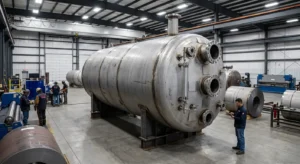
Working in a more controlled environment (like an off-site prefabrication facility) helps ensure top-quality results compared to building items in the field. Custom sheet metal fabrication often happens in specialized shops or plants with advanced equipment, 3D software, and skilled technicians. By steering clear of on-site improvisation, you reduce your risk of errors, accelerate your timeline, and keep a tight grip on quality control.
If you want to see how specialized these projects can get, explore custom sheet metal fabrication examples showcasing advanced sheet metal manufacturing techniques, a personalized approach ideal for high-precision work and complex industrial tasks.
Understand How it All Works
Every custom sheet metal fabrication project generally follows these key steps:
- Design Phase: You start with the specs: exact measurements, shapes, and special considerations like temperature or pressure tolerances. In many cases, engineers use CAD (Computer-Aided Design) tools to draw out every detail. That clear blueprint guides each bend, cut, or weld.
- Material Selection: Next, you choose the metal that best suits your needs. For example, you might go for stainless steel if you need corrosion resistance, or aluminum if you want something lightweight. The decision usually comes down to the final application, budget, and performance needs.
- Cutting and Shaping: Laser cutting and forming techniques slice the metal to size. Then, machines handle repetitive tasks like bending or rolling. Skilled technicians jump in to form your parts using press brakes, or specialized stamping presses for mass production.
- Joining and Assembly: Once you have your separate parts, they’re welded and assembled. Depending on the end-use, you might also see advanced joining methods like MIG or TIG welding.
- Finishing: This final phase might involve grinding down rough edges, applying special coatings, or performing quality assurance. At this point, you’ve got a finished component that’s ready for shipment.
If you’d like a deeper look at the technical side, explore how does custom sheet metal fabrication work. That resource dives into custom metal fabrication services, covering detailed insights on equipment, design choices, and advanced fabrication processes.
Recognize the Benefits of Customization
You might be asking, “Do I really need custom sheet metal work, or is standard off-the-shelf enough?” In some cases, standard might cut it. But for larger projects or highly regulated industries like energy, water treatment, or chemical processing, pre-made options might not be flexible or robust enough.
Here’s why going custom can be a better fit:
- Precise Fit and Function: Customization lets you design around the exact specifications you need.
- Enhanced Quality Control: Because everything is manufactured in a controlled environment, you minimize delays or on-site guesswork.
- Reduced On-Site Exposure: Prefabrication helps reduce risks during installation and improves safety compliance.
- Faster Installation: With prefabricated modules, most of the work is done before delivery.
- Cost Savings: Efficient fabrication methods minimize waste and save money.
To explore more reasons why an individualized approach pays off, see why use custom sheet metal fabrication.
Consider a Range of Key Applications
Custom sheet metal fabrication spans countless industries and can form the backbone of many everyday products:
- Industrial Components: Pressure vessels, piping systems, or large enclosures all requiring ASME certification.
- HVAC Systems: Air receiver tanks and ducts for heat exchange or ventilation.
- Agricultural and Food Processing: Corrosion-resistant materials ensure sanitation.
- Transportation: Lightweight metal panels used in energy-efficient systems.
- Construction: Custom fabricated metal components that withstand extreme conditions.
Modern fabrication shops use advanced welding, design software, and finishing to meet strict specs. Explore sheet metal fabrication process. and discover how custom metal fabrication services bring projects from precise planning to flawless completion.
Focus on Cost and Efficiency
Cost often drives decisions in industrial projects. You might think custom work costs more but efficient prefabrication methods often make it the smarter choice:
- Less Material Waste: Achieved through precision cutting technology.
- Streamlined Labor: Skilled teams in a controlled fabrication shop.
- Reduced Rework: Verified parts from shop-tested assemblies.
- Faster Turnaround: Integrated fabrication scheduling keeps everything on track.
According to Red River LLC, prefabrication drastically reduces weather delays and maintains a tighter timeline. For cost insights, see how much do sheet metal fabrication services cost.
What is Custom Sheet Metal Fabrication?
By now, you’ve got a solid handle on the basics of custom sheet metal fabrication. It’s both an art and a science combining technical expertise, precision machinery, and creative design to shape raw metal into a final form that perfectly meets your project’s requirements. Whether you’re working on industrial equipment, architectural structures, or specialized components, this process ensures every piece is built with durability and functionality in mind.
This approach helps you:
- Secure a design crafted exclusively for your application. Every measurement, angle, and weld is planned to meet your exact needs, ensuring a precise fit and reliable performance.
- Maintain strict quality control standards. Each stage from cutting to assembly is inspected to guarantee safety, consistency, and compliance with industry codes.
- Trim your budget with efficient prefabrication. By fabricating parts off-site in controlled environments, waste and rework are minimized, resulting in significant cost savings.
- Accelerate project completion through expert fabrication techniques. Skilled professionals use advanced equipment to streamline production timelines without compromising quality.
Ultimately, it’s about building something that works best for you, not just what’s generally available. You also preserve time, resources, and peace of mind. If you want an even more detailed look, consider branching out to what are sheet metal fabrication services.
Partner with RedRiver LLC for Expert Fabrication Services
Ready to bring your project to life? Contact Red River LLC today to learn more about what is custom sheet metal fabrication and how our team can deliver precision-engineered solutions that match your exact specifications.
Frequently Asked Questions
1. How does custom sheet metal fabrication work?
Custom sheet metal fabrication works by cutting, bending, and assembling metal materials based on specific design requirements to create precise and functional components or products.
2. Why use custom sheet metal fabrication?
You use custom sheet metal fabrication to achieve high-quality, durable, and perfectly fitted metal parts tailored to your project’s exact specifications and performance needs.
3. Does custom sheet metal fabrication take longer than standard manufacturing?
Not necessarily. While initial design stages may take a bit longer, the prefabrication process often cuts down on on-site construction time. So overall project timelines can be shorter.
4. How do I find the right fabrication shop?
Look for shops with a proven track record in your industry, certifications for safety or quality, and the machinery to meet your demands. It’s always good to ask for references or examples of their work.
5. Is customization only for large industrial projects?
No. Smaller organizations and even hobbyists can benefit from custom sheet metal parts if standard products don’t meet their needs.
6. What kind of design files should I provide to a fabricator?
Most shops use CAD drawings (such as DWG or DXF formats). Providing accurate and up-to-date files ensures a smooth manufacturing process.
7. Can custom sheet metal work help with sustainability?
Yes. By minimizing on-site labor and material waste, prefabrication often aligns with sustainable manufacturing practices. Some companies also reuse offcuts to reduce scrap.
8. How do I maintain or repair custom metal parts?
Proper cleaning and routine inspections go a long way. Reliable fabricators can guide you on the best cleaners or protective coatings, and you’ll want to follow welding or replacement guidelines for any necessary repairs.
Key Takeaways
- Customization is about tailoring the final product to your specific needs, saving time and headaches later.
- Controlled factory environments reduce the risk of mistakes, weather delays, and added expenses.
- Prefabricated metal parts often install faster, cutting back on on-site labor costs and downtime.
- Different metals offer unique advantages, understanding each option can help you choose the best fit.
- Teaming up with a reputable fabrication expert is the key to a well-executed project that meets safety standards.
Related Blog Post
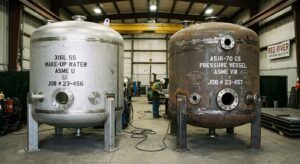
Which Materials Suit Make-Up Water Service?
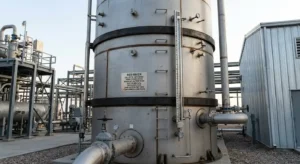
How Big Should Make-Up Water Tanks Be?
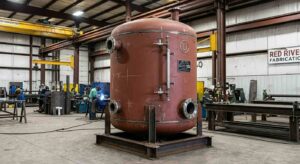
Make-Up Water Tanks: Design, Sizing, and Fabrication
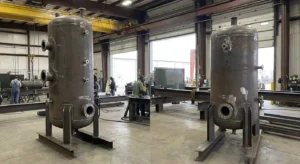
When to Spec Equalization Tanks for Industrial Systems
How Do Equalization Tanks Balance Flow?
About Author



