
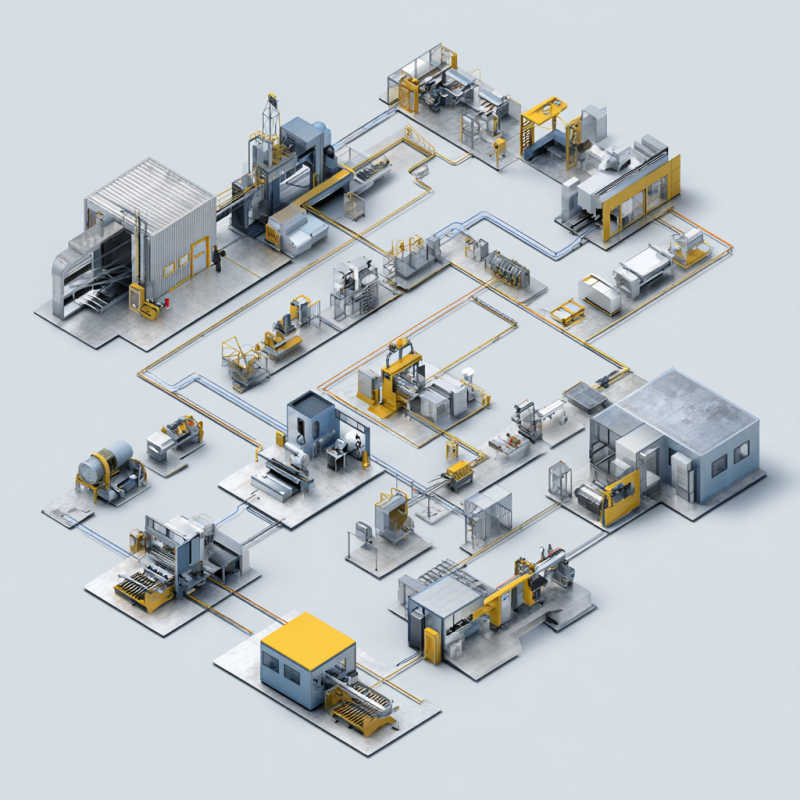
The sheet metal fabrication process transforms raw metal sheets into functional, durable components through cutting, forming, welding, and finishing. Understanding each phase helps you ensure quality, efficiency, and project success.
Understanding the Sheet Metal Fabrication Process
Are you curious about the sheet metal fabrication process and how it shapes everything from everyday appliances to massive industrial machinery? Perhaps you’ve wondered how raw metal transforms into precise components for manufacturing, construction, and industrial solutions. The journey from flat sheet metal to a finished, hard-working part might sound complicated, but once you learn the core steps, you’ll see it’s a systematic, efficient, and rewarding procedure.
In this guide, you’ll explore the key phases of fabricating metal sheets, discover time-saving design tips, and find out how the sheet metal fabrication process makes a difference in real-world settings. Whether you’re tackling a large industrial project or simply satisfying your own curiosity, you’ll walk away understanding exactly how metal parts come together seamlessly through the sheet metal fabrication process.
Understand the Sheet Metal Fabrication Process
The term “fabrication” can sound intimidating, but it basically means turning raw materials into a usable product. In the case of sheet metal, that product can be as small as a replacement bracket or as large as a prefabricated industrial module. Because the sheet metal fabrication process is so flexible, it’s widely used in energy, construction, automotive, aerospace, and more.
Defining the Basics
Sheet metal usually refers to metal that measures less than a quarter-inch in thickness. It’s light enough to handle but still strong enough to hold its shape under stress. Common materials include steel, aluminum, and stainless steel, each offering unique advantages. Aluminum is lightweight and naturally resists rust, steel is ideal for heavy-duty tasks, and stainless steel combines durability with a polished finish. Understanding these material choices is essential in the sheet metal fabrication process, ensuring that every component meets its intended function efficiently within the sheet metal fabrication process.
No matter which material you choose, fabrication involves shaping, cutting, and assembling. Think of it like a sturdy puzzle rather than cardboard. Depending on project complexity, you may use manual or automated tools, or hire a specialist for custom sheet metal fabrication. Each step plays a vital role in the sheet metal fabrication process, ensuring precision and quality.
Common Steps in the Operation
Although every project differs, most sheet metal fabrication follows a handful of universal stages that form the foundation of a successful workflow. The process typically begins with careful design and planning, where specifications, material selection, and tolerances are determined. Next comes cutting, shaping, and forming, using methods suited to the chosen materials and project requirements. Assembly follows, where parts are joined through welding, riveting, or adhesive bonding. Finishing touches, such as surface treatment or quality inspection, ensure durability and precision. Understanding these stages helps streamline production, reduce errors, control costs, and deliver reliable, high-quality components. Following these universal stages ensures efficiency and project success in sheet metal fabrication.
Design and Engineering
Before a single cut is made, designers map out every component in specialized CAD (Computer-Aided Design) software. It’s crucial to be precise because small inaccuracies can cause major misalignment later. Some projects also use analyses like FEA (finite element analysis) to simulate real-world stresses. If you want more insight on these steps, see what are the steps in the sheet metal fabrication process for a deeper look. Proper design is like a dress rehearsal for the final show, saving you from expensive fixes down the road.
Cutting
Once the design is approved, it’s time to cut the metal. You can use mechanical shears or high-tech laser and plasma cutters. Laser cutting delivers precise, clean edges, while plasma handles thicker sheets efficiently. Waterjet cutting suits heat-sensitive materials. Each method balances speed, accuracy, and cost, forming a crucial part of the sheet metal fabrication process. Mastery of cutting is essential in the sheet metal fabrication process.
Forming
Cutting metal is just the beginning. To shape it, a press brake bends sheets along precise lines, while rolling machines form cylinders. Turret punches create holes or basic shapes in one run. Advanced forming systems ensure accuracy, allowing multiple parts to fit perfectly. Shaping is a critical stage in the sheet metal fabrication process, essential for precision in the sheet metal fabrication process.
Joining
Separate parts become one through welding, riveting, or adhesive bonding, a crucial step in the sheet metal fabrication process. Welding is preferred when strength is vital, with MIG, TIG, and stick techniques. MIG is fast for steel or aluminum, TIG offers precision for stainless steel, and riveting suits lighter pieces. Choosing the right method ensures success in the sheet metal fabrication process, making it a key stage of the overall sheet metal fabrication process.
Finishing and Quality Checks
Depending on your goals, finishing might include painting, powder coating, galvanizing, or polishing for a sleek look. A protective coating can also guard against corrosion. After finishing, it’s time for quality inspections verifying dimensions, weld integrity, and more. Thorough checks keep production consistent and ensure you receive components that match your design perfectly.
These steps collectively bring sheet metal projects to life, forming the backbone of an efficient sheet metal fabrication process. Understanding how each phase interconnects underscores the importance of thorough planning in the sheet metal fabrication process. Proper sequencing and attention to detail reduce errors, prevent costly delays, and ensure high-quality results. From material selection and cutting to forming, assembly, and finishing, every stage contributes to a smooth workflow. A well-executed sheet metal fabrication process not only minimizes rework and waste but also maximizes efficiency and overall project success. Careful planning and coordination are key to achieving reliable, consistent outcomes in sheet metal fabrication.
Track Crucial Design Considerations
Even with the fundamentals in place, a successful project relies on thoughtful planning and careful design within the sheet metal fabrication process. Early decisions affect workflow efficiency, reduce potential bottlenecks, and help manage the overall cost of the sheet metal fabrication process. Selecting the right materials, specifying precise tolerances, and choosing suitable assembly methods are crucial to ensuring smooth production. Attention to these details not only guarantees high-quality, durable components but also minimizes waste and rework. By prioritizing design and process considerations from the start, manufacturers can optimize time, resources, and performance, achieving consistent results and reliable outcomes throughout the sheet metal fabrication process.
Material Choice
One of your first big decisions is which metal to use. Need sturdiness at high temperatures? Stainless steel might be your champion. After a material that’s light and rust-resistant? Aluminum often shines, especially in aerospace and automotive contexts. For heavy-duty enclosures or frames, carbon steel balances strength and affordability.
Always weigh factors like corrosion resistance, weight, and overall budget. It’s helpful to consider where and how your component will be used. The right choice supports performance, rust prevention, and visual appeal. When deciding between specialized approaches, you can explore aluminum sheet metal fabrication or stainless steel sheet metal fabrication for details on unique benefits.
Prefabrication Advantage
Another key question is whether to build everything on-site or use prefabrication. Many respected companies, including Red River LLC , praise off-site assembly for cutting costs, reducing errors, and shrinking the need for on-site labor (Red River LLC Team Solutions). By grouping all major tasks cutting, forming, welding, and finishing under one roof, you eliminate a lot of logistical hurdles. You’re also less exposed to weather delays or last-minute material complications.
When you opt for prefabrication, your fabricator can orchestrate different stations so each step flows seamlessly into the next. Finished modules often arrive at your site ready to install. In many cases, you’ll receive fully “kitted” parts that are meticulously labeled, saving time and simplifying final assembly. For more details, check out Red River LLC’s prefabrication solutions.
Explore Specialized Techniques
Beyond the standard steps, specialized techniques can further optimize the sheet metal fabrication process for efficiency and safety. Projects like modular skids and pressure vessels highlight how careful planning in the sheet metal fabrication process ensures precision and durability. Integrating automation or CNC-guided tools into the sheet metal fabrication process reduces errors, while selecting the right materials protects against stress and corrosion. Proper inspection and testing throughout the sheet metal fabrication process maintain quality standards, and understanding each step of the sheet metal fabrication process allows fabricators to anticipate challenges, minimize waste, and deliver reliable, long-lasting components tailored to industrial demands.
Modular Skids
Modular skid packages are an extension of the prefabrication concept. Think of them as compact, self-contained systems with equipment, piping, and controls for industries like energy, chemical processing, or agriculture. Rather than piecing together pumps, valves, and control systems on-site, you build them onto a skid off-site, so they arrive as a plug-and-play unit (Red River LLC).
This design not only shortens your installation timeline but also saves valuable floor space. Skids are engineered for easy transport, making them ideal if you need to move your operations or repurpose equipment later. Their customization potential is huge you can scale up or down depending on your process requirements. It’s a welcome solution in sectors where downtime is costly and reliability is a must.
Pressure Vessels
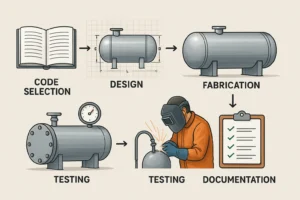
Pressure vessels handle materials under often-intense internal or external pressure, making their design highly specialized. Whether you’re dealing with gases, liquids, or both, you’ll need to be certain your vessel meets stringent codes like those from the American Society of Mechanical Engineers (ASME). Certified manufacturers, such as Red River LLC, pay close attention to welding methods, material choice, and thorough quality controls to guarantee these vessels don’t fail under stress (Red River LLC).
If your project involves storing or transferring pressurized substances common in energy, water treatment, or chemical refining, partnering with an ASME-certified fabricator should be top of mind. In addition to meeting legal regulations, high-quality pressure vessels improve workplace safety, reduce environmental risks, and can extend operational life through advanced manufacturing and protective finishes.
Why the Sheet Metal Fabrication Process Matters
Each stage of the sheet metal fabrication process from design to finishing forms the foundation for reliable, efficient, and safe industrial solutions. Whether producing simple brackets or high-performance pressure vessels, a well-executed process reduces waste, saves time, and ensures compliance.
Working with ASME-certified partners like Red River LLC gives you confidence in every step, ensuring longevity, safety, and top-tier quality.
Partner with Red River LLC for Trusted Fabrication Excellence
When it comes to mastering the sheet metal fabrication process, Red River LLC stands as your reliable partner. We combine advanced fabrication methods, certified welding practices, and modular solutions to deliver high-quality, on-time results.
Contact Red River LLC today to discuss your project and discover how our proven expertise can power your next build.
Frequently Asked Questions
1. What is the Sheet Metal Fabrication Process?
The sheet metal fabrication process is the method of turning raw metal sheets into functional parts and components used in industries like automotive, construction, aerospace, and energy. It involves shaping, cutting, and assembling metals to precise specifications.
2. How Does the Sheet Metal Fabrication Process Work?
This process works by transforming flat metal sheets into finished components using a combination of design, cutting, forming, joining, and finishing techniques. Each step ensures accuracy, durability, and functionality in the final product.
3. What are the Steps in the Sheet Metal Fabrication Process?
The typical steps include: design and engineering, cutting, forming, joining (welding, riveting, or adhesive bonding), finishing (painting, polishing, or coating), and quality inspections. Each stage ensures that the final product meets specifications and standards.
4. What Materials are Commonly Used in Sheet Metal Fabrication?
Common materials include aluminum, stainless steel, carbon steel, and other metals. Each offers different benefits: aluminum is lightweight and corrosion-resistant, steel is strong and durable, and stainless steel provides a polished finish with high resistance to rust.
5. What Is the Difference Between Standard Fabrication and Custom Sheet Metal Fabrication?
Standard fabrication uses pre-defined processes and parts for common applications. Custom sheet metal fabrication is tailored to specific designs, often requiring specialized cutting, forming, and joining to meet unique project requirements.
6. Why is Prefabrication Important in Sheet Metal Projects?
Prefabrication allows parts or modules to be assembled off-site, which reduces errors, saves time, and ensures consistent quality. It’s especially useful for complex industrial projects like modular skids or pressure vessels.
7. How are Sheet Metal Parts Joined Together?
Parts are joined through welding (MIG, TIG, or stick), riveting, or adhesive bonding. The choice depends on the required strength, material type, heat tolerance, and maintenance needs.
8. Why is Quality Inspection Critical in Sheet Metal Fabrication?
Quality inspection ensures that all dimensions, welds, and finishes meet design specifications. It prevents defects, improves safety, and guarantees that the final components function reliably in their intended applications.
Key Takeaways
- Proper design is key, from material choice to dimensional accuracy.
- Prefabrication reduces waste, saves time, and enhances on-site safety.
- Specialized solutions like modular skids offer compact, plug-and-play installations.
- Pressure vessels demand strict welding standards and material traceability.
- Working with ASME-certified teams helps ensure durability, compliance, and peace of mind.
Related Blog Post
Pressure Vessel Design & Engineering: Concept to Launch
What is Pressure Vessel Design and Engineering: Code-Ready Guide
What are the Key Factors in Pressure Vessel Engineering
How Do You Design a Pressure Vessel: A Step-By-Step Guide
What is Pressure Vessel Fabrication and Manufacturing
About Author



