
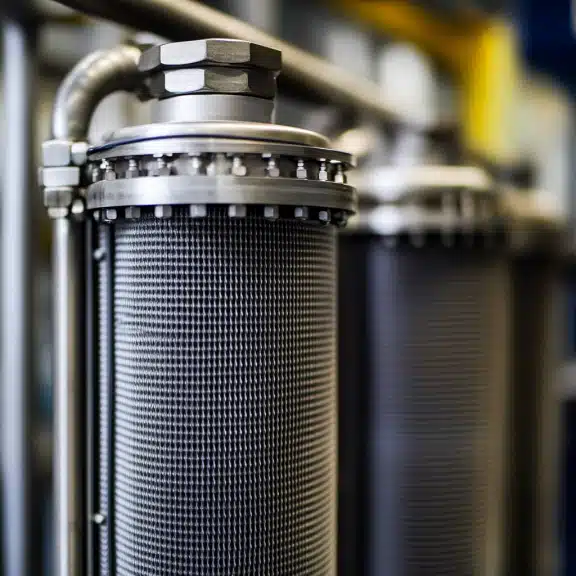
Understanding Coalescing Filters
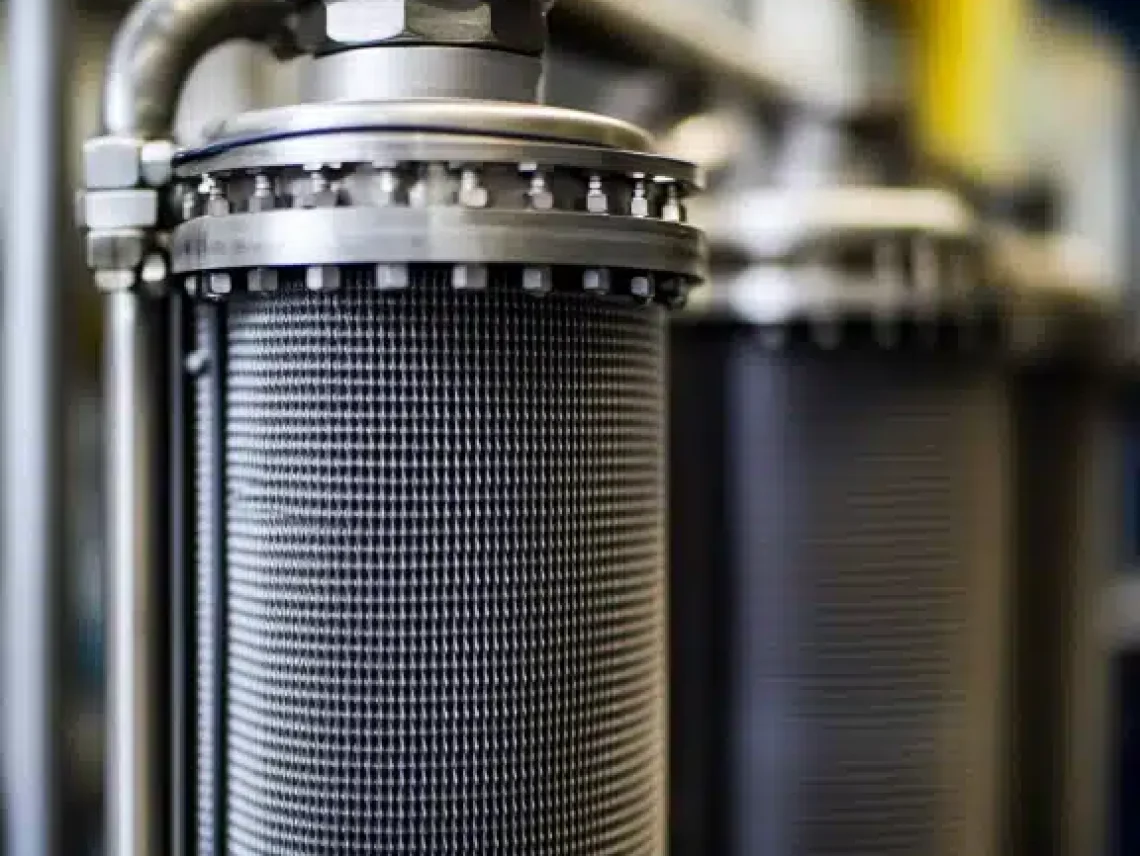
Coalescing Filters: Sizing, Selection & Maintenance for Industrial Efficiency
A coalescing filter is a vital component in many industrial applications such as oil and gas processing, compressed air systems, power generation equipment, and biogas plants. These filters work by capturing fine liquid aerosols and merging them into larger droplets, making it easier to remove contaminants from air or gas streams. This process helps protect downstream equipment, improve energy efficiency, and ensure ISO 8573-compliant air quality for safe operations.
To see how Red River’s solutions can improve equipment performance and lifespan, check out our guide on Maximize Your Equipment’s Efficiency with Coalescing Filters.
Why Proper Coalescing Filter Sizing Matters
Proper sizing of a coalescing filter is crucial for achieving maximum filtration efficiency and system reliability. When correctly sized, a coalescing filter can remove impurities effectively while preventing pressure drop issues and protecting downstream devices. An undersized or oversized filter, however, can lead to poor filtration performance, wasted energy, and potential damage. At Red River, we help clients select the right size to reduce operational costs and extend equipment lifespan.
Learn more about the impact of pressure drop on system efficiency.
How to Size a Coalescing Filter (Step-by-Step Guide)
Assessing Your System Requirements
Before starting, evaluate your system’s needs: flow rate, operating pressure, temperature, and type of contaminants. Also consider whether your system requires compliance with industry standards like ISO 8573. A precise assessment ensures you choose a filter that meets performance targets without compromising efficiency.
Calculate the Correct Filter Size
Sizing involves using manufacturer-specific formulas or charts. At Red River, we apply advanced sizing tools to ensure the selected filter achieves optimal droplet removal efficiency without adding unnecessary strain to your system.
Learn more in our detailed Understanding Coalescing Filters – Step-by-Step Guide.
Select the Right Filter Type & Materials
Beyond size, material compatibility matters — stainless steel housings for corrosive environments, aluminum for lighter applications, and specialized coatings for chemical resistance. Consider whether you need differential pressure gauges for ongoing performance monitoring.
Best Practices for Coalescing Filters for Industrial Efficiency
Consult with Filtration Experts
Working with an expert can help you choose the right coalescing filter vs particulate filter setup. Our Red River team, led by industry veteran Reilly Sasse, offers tailored recommendations for your exact application.
Schedule Regular Maintenance and Monitoring
Check filters regularly for clogging or damage. Install pressure drop indicators to detect when replacement is needed before efficiency falls. Regular inspection can prevent unplanned downtime.
For a detailed walkthrough, refer to our How to Change a Coalescing Filter – Step-by-Step Guide.
Need a reliable partner?
Frequently Asked Questions
What factors should I consider when choosing a coalescing filter?
Key factors: contaminant type/size, operating pressure, flow rate, temperature, material compatibility, maintenance frequency, and total cost of ownership.
How often should coalescing filters be replaced?
Replace filters based on manufacturer guidelines or when you notice a significant pressure drop or reduced efficiency. This can range from several months to three years.
Can a coalescing filter remove all contaminants?
No — coalescing filters primarily remove liquid aerosols (oil, water) and fine particulates. They should be paired with particulate filters or activated carbon filters for complete contaminant removal.
What are the common applications of coalescing filters?
Oil and gas processing, compressed air systems, pharmaceuticals, food & beverage, biogas plants, pneumatic systems, natural gas processing, and chemical manufacturing.
What’s the difference between a coalescing filter and a particulate filter?
A coalescing filter removes liquids and fine aerosols, while a particulate filter removes solid particles. Many industrial systems use both in sequence for maximum protection.
Related Blog Post
- What coalescing means?
- What is the process of coalescence?
- How long does a coalescing filter last?
- How do you change a coalescing filter?
- What materials are in a coalescing filter?
- How does coalescing oil separator work?
- How do coalescing plate separators work?
- What is the difference between attenuator and filter?
- What is the difference between coalescing and desiccant?
- What is the difference between a coalescing filter and a filter?
- What is the difference between a coalescing filter and a water separator?
Solutions
In the realm of industrial solutions, Red River emerges as a pioneer, offering a diverse range of custom-engineered products and facilities. Among our specialties is the design and production of Custom/OEM Pressure Vessels, meticulously crafted to meet individual client requirements, ensuring performance under various pressure conditions. Our expertise extends to the domain of prefabrication, where Red River leads with distinction.
The company excels in creating prefabricated facilities, modules, and packages, reinforcing its stance as a forerunner in innovation and quality. This proficiency is further mirrored in their Modular Skids offering, where they provide an array of Modular Fabricated Skid Packages and Packaged equipment. Each piece is tailored to client specifications, underlining their commitment to delivering precision and excellence in every project they undertake.


Related Blog Post
Can Condensate Storage Improve Reliability?
Where Do Condensate Tanks Fit in a Steam System?
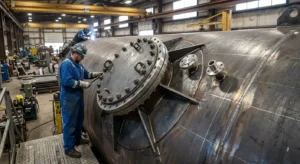
Which Nozzles Simplify Maintenance on Pressure Vessels?
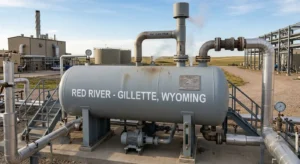
How to Vent Condensate Tanks in Steam Systems
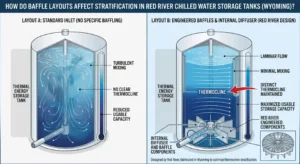
How Do Baffle Layouts Affect Stratification in TES Tanks?
No subpillar set for this blog post.
About Author
