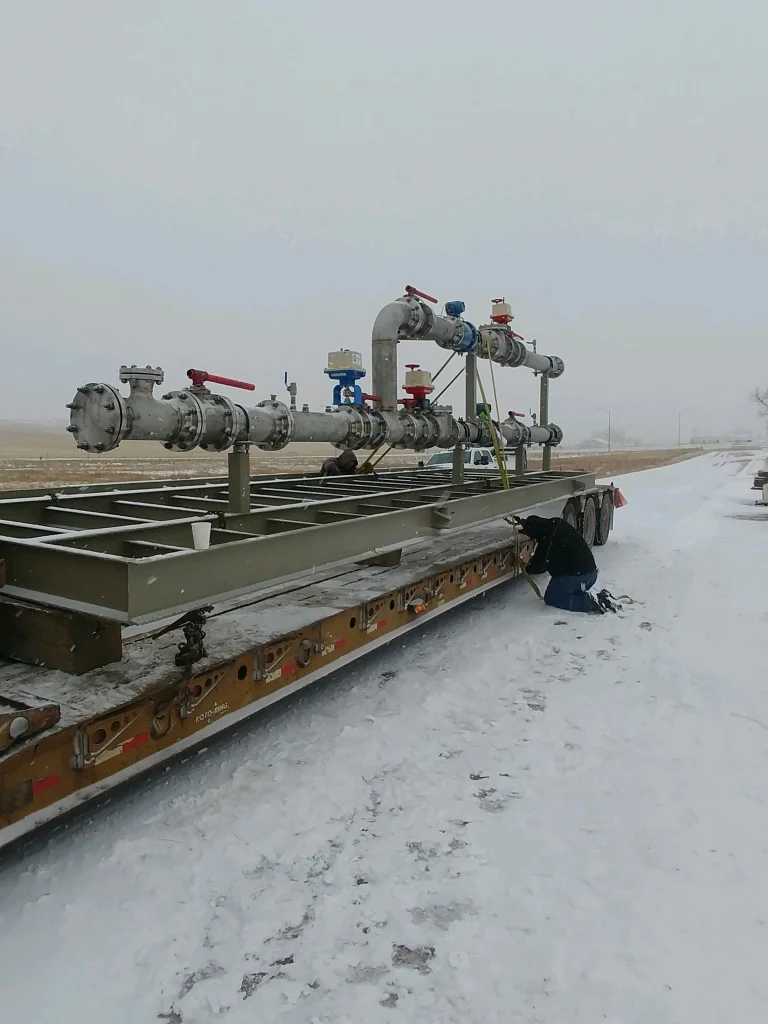
This article explores key Failure Modes of Ships, from structural breaches to environmental hazards. It highlights how different failure modes arise, what can cause them, and how careful inspection and preventive maintenance reduce risks. The discussion also shows how industrial practices — including strict adherence to Pressure Vessel Safety Standards and Compliance — offer lessons for maintaining vessel integrity.
Failure Modes of Ships
Failure Modes of Ships include a wide array of structural, mechanical, and environmental issues that jeopardize vessel safety and performance. Ships, because of their complex systems and exposure to harsh marine conditions, face many potential failure points that must be understood and managed.
Ships can suffer hull breach when coatings fail or the hull is compromised by corrosion or impact. Fatigue cracking often occurs at welds or high‑stress areas due to repetitive wave loads. Overloading may cause structural plates or beams to buckle or bend. Engine and machinery failures—such as propulsion, bilge pumps, or power generation systems—can disable critical vessel functions. Steering failure may render a ship unmanageable. Fires or explosions may arise from electrical faults, flammable cargo, or pressurized system failures. Corrosion, especially in saltwater environments, weakens structural and mechanical components over time. Stability issues — from improper loading, ballast mismanagement, or damage to watertight integrity — can cause listing or capsizing. Grounding, collisions with other vessels or obstacles, severe weather, and icing (in cold climates) further threaten vessel integrity. Finally, foundering — when water ingress overwhelms a ship’s ability to stay afloat — remains one of the most serious failure outcomes.
Understanding these failure modes is essential for safe ship design, maintenance, and operation. Vigilance in inspection, maintenance, and adherence to engineering standards helps reduce risks significantly.
Structural Failures: Hull Breaches, Cracks, and Overloading
A hull breach is a critical structural failure mode of ships. Corrosion over time might thin hull plates. Impact with submerged obstacles, like reefs or wreckage, or collisions may puncture hull sections. Once breached, seawater can flood compartments, threatening buoyancy and stability.
Fatigue cracking is another common threat. Ships are constantly exposed to cyclic stresses from waves and shifting cargo. Under repeated load, welds or other stress concentration points can develop cracks. If undetected, cracks can propagate, weakening structural integrity and potentially leading to catastrophic failure.
Overloading — exceeding a ship’s designed load capacity — can cause bending or buckling of structural elements. Plate deformation or beam failure becomes more likely under stress. Poor maintenance, combined with substandard parts or human error, increases the risk.
Mechanical and Systems Failures: Engines, Steering, Pumps
Ships rely on engines, generators, bilge pumps, steering gear, and other systems. Machinery failure can leave a vessel stranded or adrift. When propulsion fails, ships become vulnerable to currents, waves, or hazards. If bilge pumps or safety systems malfunction, flooding or water ingress may go uncontrolled. Steering failures — whether from hydraulic leaks, mechanical breakdown, or control‑system issues — can render navigation impossible, increasing collision or grounding risks.
Fire, Explosion, and Safety Hazards
Fires and explosions represent grave failure modes. Causes can include electrical faults, overheating machinery, flammable cargo, or pressurized system failures. Onboard fire can rapidly spread, endangering crew, damaging structure, and potentially leading to sinking. In severe cases, an explosion may compromise hull integrity or critical systems.
Corrosion, Environmental Stress, Stability, and Weather
Saltwater exposure and humid air accelerate corrosion on exposed metal surfaces, decks, hulls, and internal tanks or piping. Over time, corrosion undermines structural strength and integrity, increasing vulnerability to cracks, leaks, and breaches.
Environmental stresses — storms, rogue waves, high seas, or other extreme weather — can exert forces far beyond normal operational loads. Combined with weakened structure or fatigue, these stresses may trigger structural failures, flooding, or even capsizing. In cold climates, icing can accumulate, increasing top‑heavy weight and destabilizing the vessel.
Stability issues may arise from improper loading, incorrect ballast management, or compromised watertight integrity. Damage to bulkheads or hull structure reduces a ship’s ability to resist flooding and shifting loads. Under such conditions, the risk of listing, capsizing, or foundering increases significantly.
Grounding, Collisions, and Impact Events
When ships run aground — whether due to navigation error, poor visibility, or mechanical failure — the hull may be damaged or breached. Repeated wave action while grounded can cause structural deformation or even breakage. Collisions with other vessels, piers, underwater structures, or natural obstacles like icebergs can puncture the hull or damage structural components. Such impacts may cause flooding, cargo loss, environmental contamination, or total loss of the vessel.
Foundering and Total Loss
Foundering — when water ingress overwhelms a ship’s buoyancy — is often the final stage of a complex failure chain. Root causes may include hull breaches, corrosion, structural fatigue, damage from grounding or collision, flooding due to pump failure, or compartment breach. Once flooding begins, if damage control systems fail or bulkheads are compromised, the vessel may sink entirely. Foundering represents one of the most serious failure modes of ships, with high risk to crew, cargo, environment, and financial losses.
Prevention, Maintenance, and Inspection
Preventive measures and regular maintenance remain the most effective defense against failure modes of ships. Routine inspection of hull integrity, especially in vulnerable areas like welds and ballast tanks, helps detect corrosion and cracks early. Proper maintenance of engines, steering gear, pumps, and safety equipment ensures critical systems remain functional. Stability checks, ballast management, cargo loading protocols, and watertight integrity inspections reduce risk of listing or capsizing. Crews trained in emergency procedures, fire‑safety, and damage control add another layer of protection.
Beyond ship‑specific maintenance practices, insights from industrial pressure vessel discipline can improve safety and reliability. Companies like RedRiver LLC maintain rigorous Pressure Vessel Safety Standards and Compliance, including regular Pressure Vessel Inspection and Maintenance, and following codes like ASME Boiler and Pressure Vessel Code (BPVC). These practices mirror what ships must do to safeguard structural and system integrity under stress.
Applying concepts such as What are the safety standards for pressure vessels and What is ASME code for pressure vessel safety to marine vessels encourages adoption of systematic inspection regimes. For example, How do pressure vessels comply with safety regulations applies to ships when evaluating hull and tank integrity under pressure or load. Just as industrial vessels undergo regular testing and documentation, ships can benefit from structured inspection checklists and maintenance logs.
Ship operators may ask How often do pressure vessels need to be inspected; similarly, regular scheduling of inspections and maintenance intervals helps catch early signs of fatigue, corrosion, or mechanical wear. Understanding How to inspect a pressure vessel and What to include in a pressure vessel inspection checklist can guide surveyors when auditing ships — especially when ships carry pressurized tanks or complex piping systems. By integrating such inspection frameworks, operators enhance safety and reduce the likelihood of catastrophic failure.
Moreover, you can explore deeper insights at Understanding Basic Pressure Vessels to appreciate different vessel types and their design essentials, or check our Comprehensive Guide to Pressure Vessel Design for best‑practice design procedures.
Conclusion on Failure Modes of Ships
Failure Modes of Ships are many and varied — structural, mechanical, environmental, and operational. Most failures arise from a combination of stress, wear, corrosion, overload, and inadequate maintenance. Addressing these risks requires proactive inspection, routine maintenance, proper crew training, and rigorous adherence to safety standards. Drawing lessons from industry‑standard Pressure Vessel Inspection and Maintenance procedures enhances the safety culture onboard and reduces risks significantly.
CTA: Work with RedRiver LLC to Raise Your Safety & Integrity Standards
If you are seeking a trusted partner to help ensure vessel or system integrity, RedRiver LLC offers expert services. With deep experience in designing and manufacturing pressure vessels to comply with the highest safety standards — including BPVC compliance — RedRiver LLC is ready to support your needs. Visit RedRiver LLC to learn how we can help enhance safety, reliability, and longevity of your vessels and systems.
FAQs
1. How often should ships be inspected for common failure modes?
Ship inspection frequency depends on usage, age, and operating conditions. Regular inspections at intervals aligned with maintenance schedules help detect corrosion, fatigue cracks, or mechanical wear well before they become dangerous.
What are the safety standards for pressure vessels that ships can adopt?
Ships can benefit from pressure vessel safety standards such as those defined in the ASME Boiler and Pressure Vessel Code (BPVC) or similar regulatory frameworks. These guidelines encourage robust design, material quality, regular inspection, and documented maintenance.
How do pressure vessels comply with safety regulations?
Compliance involves designing vessels to meet regulatory codes, performing Pressure Vessel Inspection and Maintenance, verifying material traceability, and conducting tests to ensure structural integrity. Applying similar compliance protocols onboard ships increases safety and reduces failure risk.
What to include in a pressure vessel inspection checklist and how does that relate to ships?
An effective inspection checklist should cover structural integrity (walls, welds, joints), corrosion, material degradation, pressure test results, leak detection, and documentation of maintenance history. Ships can adopt similar checklists to monitor hull integrity, ballast tanks, pressure systems, and safety equipment.
How to inspect a pressure vessel or a ship’s critical components effectively?
Use a mix of visual inspection, non‑destructive testing (NDT), pressure or leak tests, and documentation review. Systematic inspections help catch hidden defects such as internal cracks, corrosion, or stress points before they lead to failure. For background on industrial NDT procedures and inspection regimes, you can refer to RedRiver LLC’s Comprehensive Guide to Pressure Vessel Design.
What is ASME code for pressure vessel safety and why does it matter?
The ASME Boiler and Pressure Vessel Code sets minimum design, fabrication, inspection, and testing requirements that ensure vessels can withstand pressure safely. Applying similar principles to ship design and maintenance helps ensure structural and system reliability under marine stress conditions.
Can industrial pressure vessel standards improve maritime safety?
Yes. Using industrial pressure vessel standards encourages rigorous material selection, welding quality, inspection frequency, and maintenance practices. This discipline reduces structural or system failures and improves overall vessel safety.
Key Takeaways
Failure Modes of Ships span structural breaches, fatigue cracks, corrosion, mechanical failures, stability issues, grounding or collision, fire/explosion, and foundering.
Regular inspection, maintenance, and adherence to safety standards significantly reduce the likelihood of failures.
Drawing from industrial practices around Pressure Vessel Safety Standards and Compliance (e.g. BPVC / ASME code for pressure vessel safety) enhances safety when inspecting and maintaining ships.
A structured Pressure Vessel Inspection and Maintenance regimen, including a clear inspection checklist and documented testing, helps catch issues early.
Partnering with a knowledgeable provider like RedRiver LLC helps companies implement compliant, robust, and reliable vessel or system solutions for long‑term safety and operational integrity.
Related Blog Post
How Do You Size Thermal Storage for Data Centers?
Thermal Storage Tank Design Engineering
No subpillar set for this blog post.
About Author