
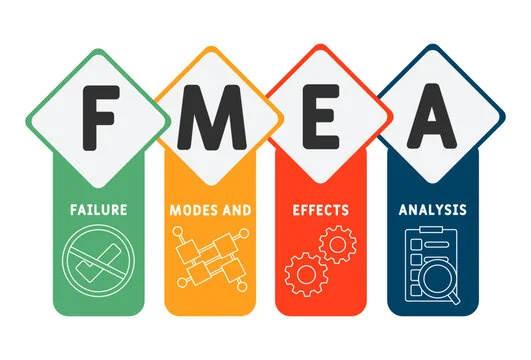
The standard FMEA process is a structured approach used to identify potential failure modes, determine their effects, and establish controls that prevent issues before they occur. One of the most important components of this process is the Detection Rating, which measures the ability of current controls to catch a failure before it reaches end users. When organizations understand how Detection Ratings work, they can strengthen quality control, reduce risk, and improve reliability. This blog explains how the Detection Rating fits into the standard FMEA process and how companies like RedRiver LLC apply it to maintain top-tier safety and performance.
How the Standard FMEA Process Uses Detection Ratings to Strengthen Prevention
Severity Rating: Assesses the seriousness of the effect of a potential failure mode.
Occurrence Rating: Estimates the likelihood or frequency of the failure mode happening.
Effects of the Failure: Each failure mode is evaluated for its potential impact or consequences on the system or the end user.
Detection Rating: This assesses the probability that the failure mode will be detected or identified before it reaches the end user or causes a more significant system issue. It gauges how well current controls (like testing, monitoring, or quality checks) can discover or prevent the failure.
Typically, the detection rating is scored on a scale, often from 1 to 10, where a lower score indicates a high likelihood of detection and a higher score suggests that the failure mode is less likely to be detected before causing an issue.
The Detection Rating in FMEA evaluates the effectiveness of the current controls (tests, procedures, mechanisms) in detecting or identifying a failure mode before it reaches the customer or causes subsequent failures in the system. Essentially, it’s an assessment of your preventive measures and their robustness.
Introduction to the Fourth Step of FMEA
The Detection Rating is a crucial element in risk assessment and failure mode analysis. It is often used in Failure Mode and Effects Analysis (FMEA) to evaluate how effectively potential failures can be detected before they cause issues. Therefore, understanding each aspect of the Detection Rating helps organizations implement robust quality control measures, reduce risks, and enhance process reliability.
Detection Rating in FMEA: Nature of Controls
The Detection Rating considers the types of control mechanisms currently in place to catch potential failures. Specifically, these controls can include automated detection systems, manual inspections, audits, or other quality assurance methods. For example, automated detection mechanisms such as sensors or alarms offer continuous monitoring, providing real-time alerts when a potential failure is identified. Meanwhile, manual inspections and audits, while potentially less frequent, can serve as a secondary layer of defense by identifying issues that may not be caught by automated systems. As a result, a thorough Detection Rating assesses the effectiveness of all control types in detecting failures as early as possible.
Efficiency of Controls
Not all controls are equally effective. For this reason, the Detection Rating evaluates how reliably these controls can catch or prevent the identified failure mode. To illustrate, if a defect is only caught half the time during inspections, the control’s detection capability is considered weak. On the other hand, high-efficiency controls are those that consistently detect potential issues with minimal false negatives, ensuring that defects are caught before they reach customers or cause further complications. Consequently, inefficient controls may require additional safeguards or improvements to increase their reliability.
Rating Scale: Detection Rating in FMEA
The Detection Rating typically operates on a numerical scale, often from 1 to 10. In general, a rating of 1 implies a high likelihood that controls will detect the failure early, providing excellent detection capability. Conversely, a rating of 10 suggests a low probability of detection, meaning that it is highly unlikely the failure will be identified before it reaches the end user or results in adverse outcomes. Thus, using this scale, organizations can prioritize which failure modes need improved controls to reduce the risk of undetected defects.
Position of Control: Detection Rating in FMEA
The effectiveness of controls depends on their placement in the process. Controls positioned closer to the potential failure source tend to be more effective. For example, in-process inspections often work better than final inspections conducted after assembly. In-process controls help detect and correct errors immediately, reducing the risk of defects progressing further. While final inspections provide value, they might miss failures introduced earlier in the process, making detection less proactive.
Feedback Loops: Detection Rating in FMEA
Effective detection mechanisms often include feedback loops, which drive continuous improvement. These loops provide data and insights that refine the process over time, allowing control mechanisms to adapt and improve. For instance, when a particular failure frequently occurs, feedback can lead to process adjustments that eliminate the root cause, reducing future incidents. Controls with integrated feedback mechanisms generally perform better because they enhance ongoing detection optimization.
Implications of Non-Detection: Detection Rating in FMEA
When assigning a Detection Rating, it’s crucial to consider the consequences of an undetected failure. Even infrequent failures can have severe repercussions if left unnoticed. For example, a minor defect in a high-sensitivity medical device could result in catastrophic consequences. Even when the likelihood of occurrence is low, an undetected defect can be dangerous. By factoring in the implications of non-detection, organizations can focus on improving failure modes that pose the highest risk.
Updating Detection Ratings
As processes evolve, acquiring new data and improving controls becomes necessary. Regularly updating Detection Ratings ensures the risk assessment aligns with the current control state and accounts for technological or process efficiency changes. Implementing an advanced detection system, such as a high-precision scanner or automated sensor, can increase the likelihood of catching defects. As a result, the system may qualify for a lower (more favorable) Detection Rating.
How the Standard FMEA Process Strengthens Decision-Making
By understanding how Detection Ratings integrate into the standard FMEA process, organizations can reduce risk and improve reliability across their operations. Detection Ratings guide critical decision-making by revealing how well current controls identify potential failures. When combined with severity and occurrence insights, they help shape safer, more efficient systems. The standard FMEA process becomes a powerful tool when detection methods are strong, updated, and strategically placed.
Need a Reliable Partner?
Red River LLC specializes in the design and manufacturing of pressure vessels. We also fabricate related items such as prefabricated spools and skid packages.
Reach out to us today and experience the Red River difference. Where American Made and American Values come together, we care more.
Frequently Asked Questions
1. What is Failure Mode and Effects Analysis (FMEA) in the context of pressure vessel manufacturing?
FMEA is a systematic, proactive method for evaluating a process to identify where and how it might fail and to assess the relative impact of different failures. In pressure vessel manufacturing, FMEA is crucial for identifying potential failure modes in the design and manufacturing process, analyzing their effects on the vessel’s performance and safety, and implementing strategies to mitigate these risks.
2. How does FMEA contribute to the safety and reliability of pressure vessels?
FMEA enhances the safety and reliability of pressure vessels by methodically analyzing potential failure points in their design, fabrication, and operational stages. By anticipating and addressing these failure modes, manufacturers can implement design modifications, choose appropriate materials, and establish quality control measures that significantly reduce the likelihood of failures.
3. What is the fourth step in the FMEA process, and why is it important?
The fourth step is Risk Prioritization, which involves evaluating severity, occurrence, and detection of each failure mode to prioritize risk. This helps focus resources on the most critical issues affecting safety and functionality.
4. Can FMEA in pressure vessel manufacturing help in compliance with industry standards?
Absolutely. FMEA supports compliance with the ASME Boiler and Pressure Vessel Code, ensuring that vessels meet or exceed design, fabrication, inspection, and testing requirements.
5. How does Red River LLC incorporate FMEA in its manufacturing process?
At Red River LLC, FMEA is embedded from design through to production. This ensures early identification of risks and continuous improvement, aligned with high safety and quality standards.
Key Takeaways
- The Detection Rating in FMEA measures how effectively controls can identify a failure mode before it reaches the customer.
- Ratings range from 1 to 10, with lower scores indicating strong detection capability.
- Control placement and type significantly influence detection effectiveness.
- Updating Detection Ratings with feedback loops drives continuous quality improvement.
- Red River LLC applies FMEA best practices in every stage of vessel manufacturing.
Related Blog Post
How Do You Size Thermal Storage for Data Centers?
Thermal Storage Tank Design Engineering
No subpillar set for this blog post.
About Author



