
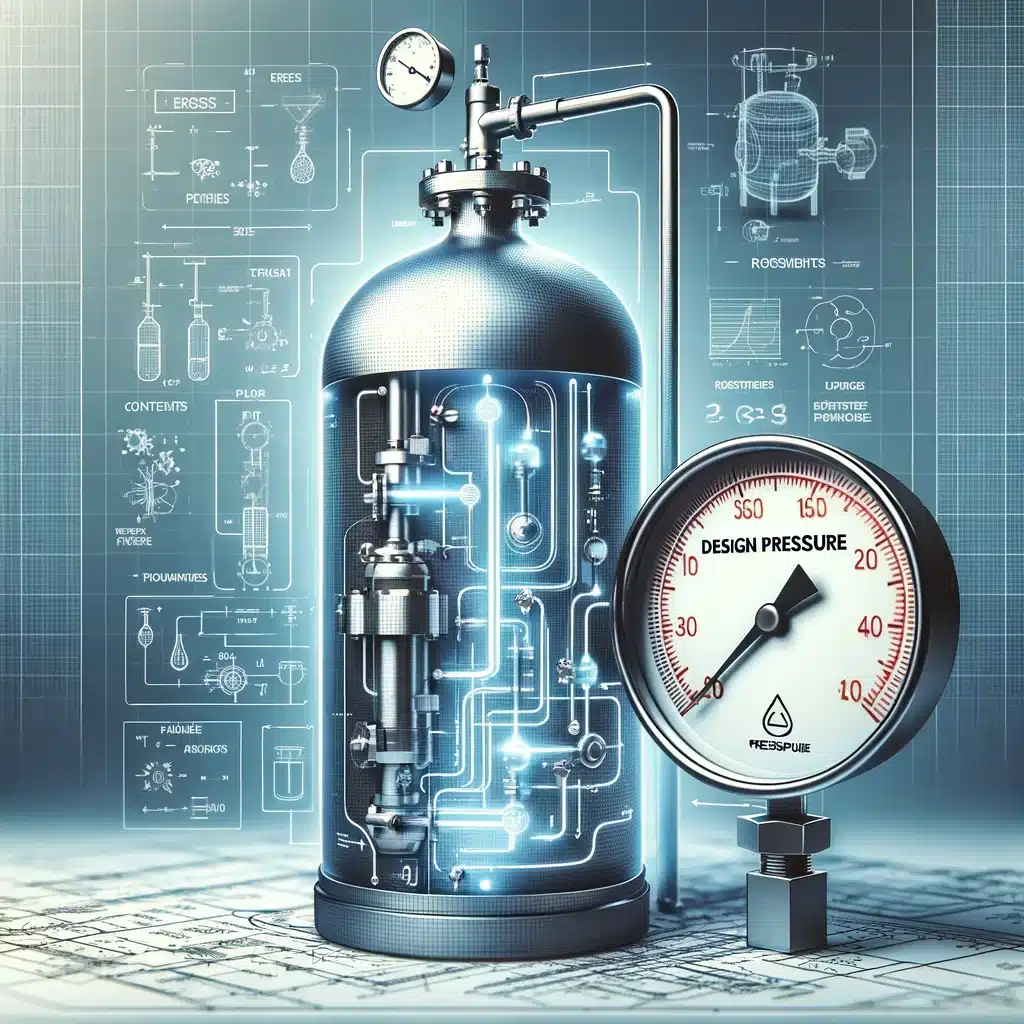
Design pressure is the maximum pressure a vessel can safely handle. It’s a critical parameter in pressure vessel design, ensuring compliance, performance, and safety. Learn how to calculate it, what affects it, how it’s tested, and how Red River engineers apply it across industries.
What is Design Pressure in Pressure Vessels?
Design pressure is the maximum internal or external pressure a pressure vessel can safely withstand during its operational lifetime. Think of it as the “safety ceiling” – the absolute maximum pressure the vessel can handle without failure. It forms the foundation for ASME-compliant vessel engineering and safety validation.
Why Design Pressure Matters
- Safety First: Design pressure ensures your vessel won’t fail catastrophically under maximum expected conditions.
- Regulatory Compliance: Meeting ASME and international standards requires proper design pressure calculations.
- Economic Efficiency: Correct design pressure prevents over-engineering, which is costly, and under-engineering, which is unsafe. Explore our comprehensive guide to pressure vessel inspection.
Key Components of Design Pressure
- Maximum allowable working pressure (MAWP)
- Safety factors and margins
- Material strength limitations
- Environmental conditions
- Operational temperature effects
For further understanding, check choosing the right material for pressure vessel fabrication.
How to Calculate Design Pressure: Step-by-Step Guide
Basic Formula for Cylindrical Vessels
Design Pressure = (Material Strength × Efficiency × Thickness) / (Radius + 0.6 × Thickness)
Calculation Example
Given:
- Carbon steel vessel
- Internal diameter: 1000 mm
- Wall thickness: 10 mm
- Material allowable stress: 138 MPa
- Joint efficiency: 85%
Calculation:
- Radius = 500 mm
- Design Pressure = (138 × 0.85 × 10) / (500 + 0.6 × 10)
- Design Pressure = 1,173 / 506 = 2.32 MPa
Explore more about pressure vessel manufacturing processes.
Case Studies: Real-World Examples of Design Pressure Calculations
Our portfolio includes diverse case studies that highlight our expertise in calculating design pressures for various applications. For example, these cases reinforce our dedication to precision, protection, and meeting industry-specific demands.
See more examples in innovative pressure vessel designs.
Materials and Design Pressure in Pressure Vessels
Impact of Material Selection on Design Pressure
Material selection is essential in determining a vessel’s design pressure. Thus, we choose materials that offer resilience and durability, tailoring them to meet each project’s unique requirements.
Advanced Materials for High-Pressure Vessels
For high-pressure applications, modern materials enhance vessel strength and safety. Read about choosing the best steel for pressure vessels.
Corrosion Considerations in Design Pressure Calculations
We consider corrosion in pressure vessels and select coatings to preserve lifespan and structural integrity.
Design Pressure vs. Operating Pressure in Vessels
Understanding the Difference Between Design and Operating Pressures
Design pressure is the maximum a vessel can handle, while operating pressure is the normal running pressure.
Importance of Operating Pressure in Vessel Design
Operating pressure is a key attention in layout, ensuring that vessels operate successfully and adequately underneath traditional conditions.
Balancing Design and Operating Pressures for Efficiency
Our expertise ensures optimized vessel performance without compromising safety.
Safety Standards and Design Pressure
Key Safety Standards in Pressure Vessel Design
Adherence to ASME and global standards ensures each vessel meets rigorous safety criteria.
How Safety Standards Influence Design Pressure
Safety requirements directly affect design pressure calculations, guiding us to exceed minimum protection standards. Explore R-Stamp welding and pressure vessel fabrication.
Navigating International Pressure Vessel Standards
Our design process ensures global compliance.
Pressure Vessel Design Pressure Testing
Methods of Testing Design Pressure in Vessels
We use multiple testing methods to verify design pressure.
The Role of Hydrostatic Testing in Pressure Vessels
Hydrostatic trying out, a key part of our checking out regimen, entails filling the vessel with water and pressurizing it to a distinct stage. This check is critical for ensuring the integrity and protection of the vessel.
Non-Destructive Testing Techniques for Design Pressure Verification
We also employ ultrasonic and radiographic testing, ensuring compliance without damage. Explore comprehensive NDT practices.
Innovations in Pressure Vessel Design
Emerging Trends in Pressure Vessel Technology
Red River integrates advanced materials and modular skids to improve vessel safety and performance.
The Future of Design Pressure in Pressure Vessels
We are constantly exploring new ways to improve layout pressure abilities, ensuring our vessels meet destiny demands and policies.
Case Studies: Innovative Pressure Vessel Designs
View innovative pressure vessel applications highlighting our engineering excellence.
Design Pressure in Different Types of Pressure Vessels
Design Pressure Considerations in Storage Vessels
We calculate design pressures for storage tanks to safely hold liquids and gases under varied conditions.
Unique Design Pressures in Reactor Vessels
Reactor vessels need specialized design pressures to handle chemical or nuclear reactions.
Design Pressures in Transport Vessels and Pipelines
Transport vessels and pipelines are engineered with specific pressures to ensure safe and efficient fluid and gas transport.
Need a Reliable Pressure Vessel Partner?
Red River specializes in designing and manufacturing high-quality pressure vessels built to handle your specific pressure requirements. From custom engineering to comprehensive testing, we deliver safety, efficiency, and compliance across industries.
Get in touch with us today to learn how our expertise can help you meet your pressure vessel design needs. Experience the Red River difference where precision engineering and American-made quality come together.
Frequently Asked Questions
1. What happens if operating pressure exceeds design pressure?
This creates an unsafe condition that could lead to vessel failure. Immediate shutdown and engineering review are required.
2. How often should design pressure be reviewed?
Review during major maintenance, process changes, or every 5-10 years for critical applications.
3. Can design pressure be increased after manufacturing?
Generally no, unless extensive re-analysis and testing prove the vessel can safely handle higher pressures.
4. What’s the difference between MAWP and design pressure?
MAWP (Maximum Allowable Working Pressure) is the maximum pressure allowed in service, while design pressure is the pressure used for vessel design calculations.
5. How do environmental factors affect design pressure?
External temperature, seismic loads, wind loads, and support settlement can all influence the effective design pressure requirements.
Key Takeaways
- Design pressure defines the maximum safe pressure a vessel can withstand it’s not the same as operating pressure.
- Properly calculating design pressure ensures safety, compliance, and cost-effective engineering.
- It’s influenced by material strength, wall thickness, joint efficiency, and temperature conditions.
- MAWP (Maximum Allowable Working Pressure) is typically derived from design pressure but includes code-defined safety margins.
- Hydrostatic and non-destructive testing are crucial for validating a vessel’s pressure-handling capability.
- Material choice and corrosion resistance directly affect a vessel’s lifespan and safe pressure limits.
- Different vessel types (storage, reactor, transport) require unique design pressure considerations based on usage and risks.
- Adherence to ASME and international standards is essential for legal and operational safety.
- Red River LLC uses advanced materials and engineering to deliver vessels tailored to your exact pressure requirements.
Related Blog Post
Which Materials Suit Make-Up Water Service?
How Big Should Make-Up Water Tanks Be?
Make-Up Water Tanks: Design, Sizing, and Fabrication
When to Spec Equalization Tanks for Industrial Systems
How Do Equalization Tanks Balance Flow?
About Author



