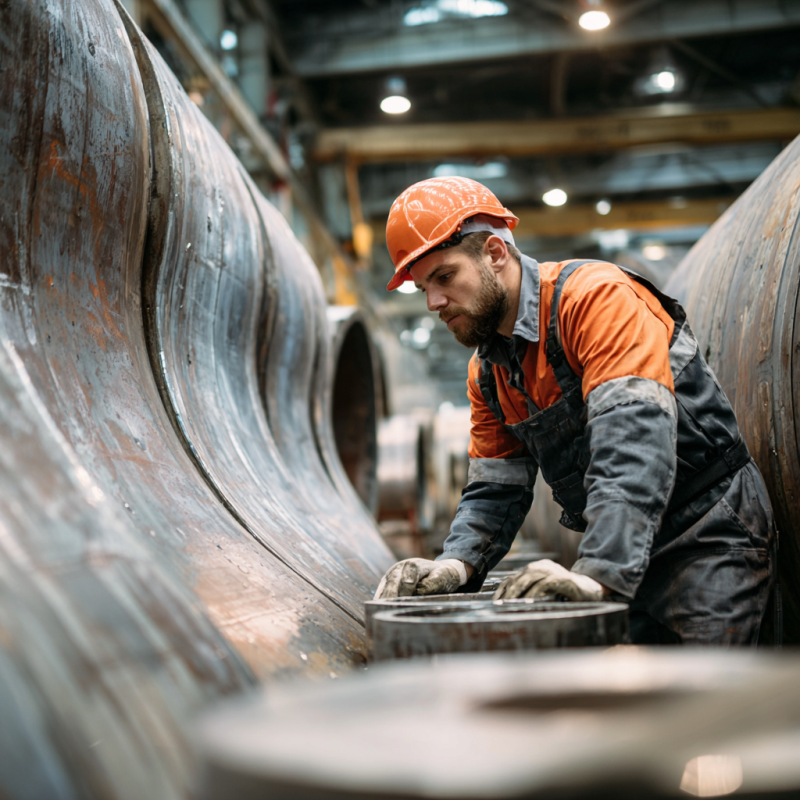
Pressure vessel design ensures safe containment of pressurized fluids by following engineering principles, material standards, and ASME codes. This guide walks you through the full process from initial requirements to testing and maintenance.
How to Design Pressure Vessel a Key Steps and Considerations
Pressure vessel design is a critical engineering discipline focused on ensuring the safe containment of gases and liquids under pressure. These vessels are commonly used in industries such as oil and gas, chemical processing, and power generation. This guide provides a step-by-step overview of the pressure vessel design process, aligning with industry standards and best practices to ensure safety, efficiency, and regulatory compliance.
If you’re looking to understand pressure vessel design from an engineering perspective, it’s essential to cover everything from material selection and design codes to fabrication and inspection.
Step 1: Understanding Operating Requirements
The first step in pressure vessel design is defining the vessel’s operational parameters. These include the operating pressure and temperature, the type and volume of the contained substance, and application-specific conditions like seismic, thermal, or dynamic loads. Understanding these requirements helps determine wall thickness, material grade, and design pressure. For high-temperature environments, additional factors like creep resistance and thermal expansion must be considered.
Step 2: Material Selection
Material selection is foundational to pressure vessel design. Materials must withstand pressure, temperature, and chemical exposure. Common choices include carbon steel, which is cost-effective with moderate corrosion resistance, stainless steel, known for high corrosion resistance and ideal for chemical applications, and nickel alloys, which are suitable for extreme environments. Material properties influence design stress, corrosion allowance, and lifecycle cost. Choosing materials that align with design pressure and operating conditions ensures long-term performance.
Step 3: Adhering to Codes and Standards
A vital component of pressure vessel design is adherence to recognized standards, primarily the American Society of Mechanical Engineers (ASME), Boiler and Pressure Vessel Code (BPVC) and API standards like 510, 570, and 579 for inspection, repair, and fitness-for-service.
These codes define the required safety factors, inspection protocols, and documentation. Pressure vessel design must comply with these standards to obtain certifications and ensure operational safety.
Step 4: Design Calculations and Engineering Analysis
Design calculations confirm that a pressure vessel can safely handle its intended loads. This includes minimum wall thickness calculations, head design (ellipsoidal, hemispherical, or torispherical), nozzle reinforcement, and stress analysis including Finite Element Analysis (FEA). Modern pressure vessel design often incorporates FEA for complex geometries or stress concentrations. This step ensures that the vessel meets both static and dynamic loading conditions.
Step 5: Fabrication and Welding
Once the design is finalized, fabrication begins. Key steps include cutting and rolling shell sections, welding per ASME Section IX, and dimensional inspection and Non-Destructive Examination (NDE). Proper welding is crucial to the integrity of the pressure vessel. Welds must be inspected using ultrasonic, radiographic, or magnetic particle testing methods.
Step 6: Testing and Inspection
Every pressure vessel must undergo rigorous testing, including hydrostatic testing (typically 1.3 times design pressure), pneumatic testing in some cases with special precautions, and visual and dimensional inspections. These tests validate the structural integrity and confirm compliance with design specifications. Additional tests such as hardness, impact, or corrosion testing may be applied.
Step 7: Installation and Maintenance
Proper installation protects against damage during transport and setup. Once operational, pressure vessels must be maintained through scheduled inspections following API 510 guidelines, periodic thickness measurements, and replacement of components like valves, gaskets, and rupture disks. Effective maintenance extends the vessel’s lifecycle and ensures ongoing compliance with pressure vessel design codes.
Pressure Vessel Design for Safety and Compliance
Designing a pressure vessel involves a comprehensive understanding of engineering principles, materials science, and regulatory requirements. At Red River, we bring decades of experience in custom pressure vessel design and manufacturing, delivering ASME-certified solutions tailored to your operational needs.
Visit our Pressure Vessels page to explore our capabilities.
Need a reliable partner?
Need a pressure vessel that performs under pressure? Let Red River deliver your next ASME-certified solution engineered to spec, built to last.
Contact us today and let’s build something great together.
Frequently Asked Questions
1. What is pressure vessel design?
Pressure vessel design is the process of engineering containers to safely hold fluids under pressure, in compliance with codes like ASME BPVC.
2. What codes apply to pressure vessel design?
The most common code is the ASME Boiler and Pressure Vessel Code (Section VIII). Others include API standards for inspection and maintenance.
3. How do I calculate wall thickness?
Use ASME formulas considering design pressure, material strength, corrosion allowance, and weld efficiency.
4. What tools are used in modern pressure vessel design?
Designers use CAD software, FEA simulation tools, and pressure vessel design software such as PV Elite or Compress.
5. Why is FEA important in pressure vessel design?
FEA allows engineers to simulate stress distribution and identify high-risk areas, improving safety and optimizing material usage.
Key Takeaways
- Pressure vessel design must align with ASME and other international standards.
- Material selection and design calculations are core to vessel integrity.
- Testing and inspection validate safety before commissioning.
- Regular maintenance ensures longevity and performance.
- Incorporating FEA and modern software enhances accuracy in complex designs.
Related Blog Post
How Do You Size Thermal Storage for Data Centers?
Thermal Storage Tank Design Engineering
About Author