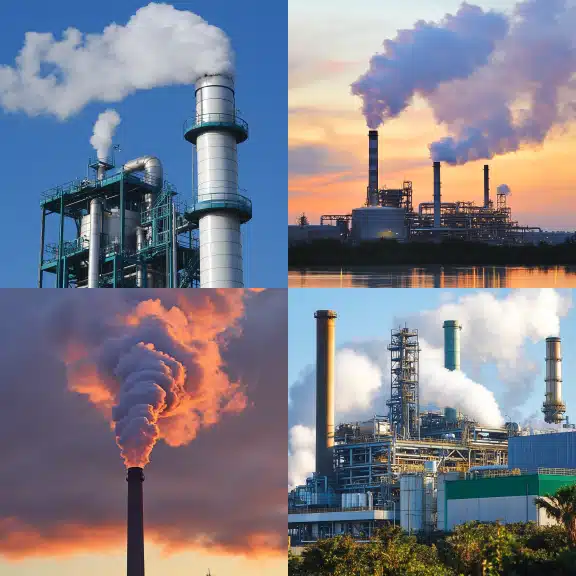
Sulfur dioxide (SO₂) enters the atmosphere primarily through the combustion of sulfur-containing fuels in power plants, transportation, and industrial processes. Wet scrubbers and dry scrubbers are effective technologies used by industries to reduce SO₂ emissions, neutralizing the gas and preventing it from contributing to air pollution and environmental harm.
How Does Sulfur Dioxide Get Into the Atmosphere?
Sulfur dioxide (SO₂) is a colorless gas with a pungent odor and is one of the most harmful air pollutants. Understanding how sulfur dioxide gets into the atmosphere is crucial for addressing its negative impacts on human health, infrastructure, and ecosystems. Industries that rely on combustion systems, pressure equipment, and large-scale processing facilities often implement engineered solutions such as scrubbers, separators, and specialized vessels to control emissions, many of which fall within broader industrial fabrication and equipment domains like those discussed at Red River LLC.
What is Sulfur Dioxide?
Sulfur dioxide (SO₂) is primarily produced when fuels containing sulfur compounds are burned. Coal and heavy oils are especially high in sulfur, which is why power generation and refining industries are major emitters. Facilities that handle pressurized gases, combustion exhaust, or chemical reactions frequently integrate engineered systems similar to those used in pressure vessels and related industrial equipment.
Exposure to SO₂ can:
- Irritate the eyes, nose, and throat
- Trigger asthma attacks and respiratory illness
- Form fine particulate pollution
- Contribute to acid rain that damages crops, forests, and buildings
Industrial operations often rely on robust fabrication methods, similar to those described in metal fabrications and prefabrication, to build durable emission-control systems.
How Does Sulfur Dioxide Get Into the Atmosphere?
There are several major sources through which sulfur dioxide enters the atmosphere, including human activities and natural processes. Understanding these pathways helps us develop effective solutions to reduce its impact.
Industrial Combustion Sources:
The largest contributor is the burning of fossil fuels in power plants, refineries, and manufacturing facilities. Coal-fired power plants are particularly significant because coal can contain high sulfur concentrations.
Example: When coal burns, sulfur compounds oxidize, forming SO₂ that exits through smokestacks unless captured by pollution controls.
Industrial exhaust handling systems may incorporate heavy steel structures and welded assemblies similar to those outlined in fabrication process cutting folding welding and pressure vessel manufacturing process.
Transportation and Mobile Sources:
Vehicles and transport systems using high-sulfur fuels also emit sulfur dioxide. These include:
- Diesel trucks
- Marine shipping vessels
- Aircraft using certain fuel blends
- Heavy construction equipment
Fuel processing and storage often involve specialized tanks and separators comparable to those discussed in types of industrial pressure vessels and 2 phase vertical separator efficient liquid gas separation.
Industrial Process Emissions:
Some industries release SO₂ even without combustion. Metal smelting is a major example because many ores naturally contain sulfur.
Processes that commonly emit sulfur dioxide include:
- Copper and zinc smelting
- Petroleum refining
- Chemical manufacturing
- Pulp and paper production
Facilities handling reactive gases frequently rely on certified equipment like ASME certified pressure vessels and rigorous safety and compliance in pressure vessel design.
Natural Sources of Sulfur Dioxide
While human activities are the primary source, natural processes also contribute to sulfur dioxide emissions. Volcanic eruptions inject substantial amounts of SO₂ into the atmosphere, and ocean biological processes emit small quantities of sulfur compounds. However, human-driven emissions are much higher than natural contributions.
Example: A volcanic eruption releases massive amounts of sulfur dioxide into the atmosphere, impacting both local and global air quality.
Understanding Scrubbers: How They Remove Sulfur Dioxide
Now that we know how sulfur dioxide gets into the atmosphere, it’s time to look at the mechanisms for removing it. Scrubbers are essential devices that industries use to reduce the amount of sulfur dioxide released into the environment.
Types of Scrubbers for Sulfur Dioxide Removal
Wet Scrubbers: Wet scrubbers spray liquid solutions into exhaust gases, dissolving and neutralizing sulfur dioxide.
Common absorbents:
- Water
- Limestone slurry
- Sodium hydroxide solution
These systems may incorporate corrosion-resistant materials similar to those discussed in choosing the right material for pressure vessel fabrication.
Dry Scrubbers: Dry scrubbers inject powdered sorbents into the gas stream. The resulting reaction products are captured by filters or electrostatic precipitators.
Typical sorbents include:
- Lime
- Sodium bicarbonate
- Calcium carbonate
Supporting equipment may involve storage vessels and dosing systems akin to those explained in exploring the varieties of pressurized tanks and understanding pressure containers inspection requirements.
How Wet Scrubbers Work to Remove Sulfur Dioxide
Wet scrubbers are particularly efficient at removing sulfur dioxide. These devices use two key processes:
Absorption: The gas stream containing sulfur dioxide passes through a scrubbing liquid. The sulfur dioxide dissolves into the liquid and is neutralized by chemical reactions. This method effectively prevents sulfur dioxide from being released into the atmosphere.
Neutralization: Alkaline materials convert dissolved sulfur dioxide into stable compounds such as sulfites or sulfates, preventing atmospheric release.
The durability and performance of these systems depend on fabrication quality, welding integrity, and inspection practices similar to those described in comprehensive guide to pressure vessel inspection and quality assurance in custom pressure tank manufacturing.
Advantages of Wet Scrubbers for SO2 Removal:
- High Efficiency: Capable of removing large percentages of sulfur dioxide, even at low concentrations
- Versatility: Can handle multiple pollutants simultaneously
- Regulatory Compliance: Helps facilities meet environmental standards
Industrial plants often integrate these systems into broader process infrastructure, supported by engineering capabilities such as those highlighted in capabilities and large-scale manufacturing operations.
Challenges and Considerations:
Despite their effectiveness, scrubbers come with trade-offs:
Operational Costs
Installation, energy use, and reagent consumption can be significant.
Maintenance Requirements
Regular inspection, cleaning, and component replacement are necessary to maintain performance.
Environmental Management
Wastewater and byproducts must be handled responsibly, sometimes requiring additional treatment systems.
Organizations planning emission control upgrades typically seek engineering support or cost estimates through channels like request a quote.
Final Thoughts on Sulfur Dioxide Emissions and Industrial Control Solutions
Sulfur dioxide enters the atmosphere through a combination of human activities and natural events, but industrial combustion remains the dominant source worldwide. Understanding these pathways is essential for designing effective mitigation strategies. Technologies such as wet and dry scrubbers, supported by advanced fabrication, pressure equipment, and process engineering, play a crucial role in reducing SO₂ emissions and protecting public health and the environment.
For deeper technical insights into industrial equipment, fabrication methods, and engineered systems used in pollution control and process industries, resources like the Red River LLC blog provide additional information across a wide range of related topics.
Need Expert Emission Control Solutions?
At Red River LLC, we specialize in the design and manufacturing of high-quality pressure vessels and emission control systems. Whether you need custom-built scrubbers, prefabricated spools, or skid packages, our team is ready to deliver robust and reliable solutions.
Contact us today to discuss how we can help reduce sulfur dioxide emissions and enhance your facility’s environmental compliance. Trust Red River for top-tier engineering, quality craftsmanship, and exceptional customer care.
Frequently Asked Questions
1. How does sulfur dioxide get into the atmosphere?
Sulfur dioxide gets into the atmosphere primarily through the combustion of sulfur-containing fossil fuels in power plants, industrial facilities, and transportation systems. When coal, oil, or diesel fuel burns, sulfur compounds react with oxygen to form SO₂ gas, which is then released through smokestacks and exhaust systems directly into the air. Industrial processes like metal smelting and chemical manufacturing also contribute to how sulfur dioxide gets into the atmosphere.
2. What are the main sources that cause sulfur dioxide to get into the atmosphere?
The main sources include coal-fired power plants, oil refineries, metal smelting operations, diesel engines, ships, manufacturing facilities, and natural sources like volcanic eruptions. These sources determine how sulfur dioxide gets into the atmosphere and why emission control is necessary.
3. How effective are wet scrubbers in removing sulfur dioxide?
Wet scrubbers are tremendously effective, reaching removal efficiencies of as much as 90% or more for sulfur dioxide emissions from industrial exhaust gases.
4. How powerful are moist scrubbers in getting rid of sulfur dioxide?
Wet scrubbers are tremendously powerful, reaching removal efficiencies of as much as 90% or more for sulfur dioxide emissions from commercial enterprise exhaust gases.
5. What chemical substances are used within the scrubbing method to neutralize sulfur dioxide?
Commonly used chemical compounds include sodium hydroxide (NaOH), calcium carbonate (CaCO3), and limestone (CaCO3), which react with sulfur dioxide to shape sulfates that can be soluble in water.
Key Takeaways:
- Major Sources: Sulfur dioxide is primarily released through industrial combustion, metal smelting, transportation, and natural sources like volcanic eruptions.
- Scrubber Efficiency: Wet scrubbers are highly effective at removing sulfur dioxide, achieving removal efficiencies of 90% or more.
- Scrubbing Chemicals: Sodium hydroxide, calcium carbonate, and limestone are commonly used to neutralize sulfur dioxide in scrubbers.
- Environmental Benefits: Wet scrubbers help reduce sulfur dioxide emissions, improving air quality and reducing acid rain, which protects ecosystems and public health.
- Challenges: The deployment of scrubbers comes with operational costs, maintenance requirements, and environmental considerations for waste disposal.
Related Blog Post
Can Condensate Storage Improve Reliability?
Where Do Condensate Tanks Fit in a Steam System?
Which Nozzles Simplify Maintenance on Pressure Vessels?
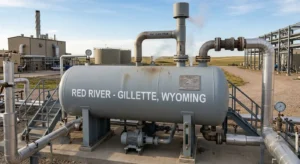
How to Vent Condensate Tanks in Steam Systems
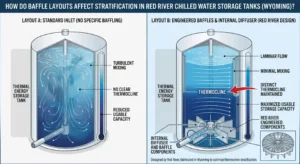
How Do Baffle Layouts Affect Stratification in TES Tanks?
About Author