
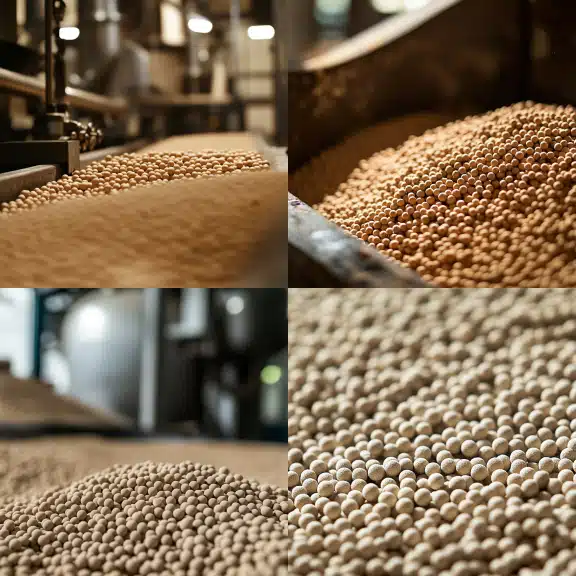
Molecular sieves are porous materials used to adsorb moisture and contaminants in industrial processes, and yes they can be reused effectively with proper regeneration, typically via temperature or pressure swing adsorption (TSA or PSA). Their reusability depends on factors like regeneration quality, contaminant type, and mechanical handling. With optimized cycles and maintenance, sieves can be reused up to 5–7 times before performance declines. Watch for signs like dew point spikes, pressure drops, or physical damage to know when replacement is needed. While reuse lowers operational costs and waste, overuse can lead to efficiency loss and system issues.
Molecular Sieve Reusability
At Red River, we focus on enhancing the durability of your systems and materials. This includes molecular sieves, which play a crucial role in boosting operational reliability and performance. By maximizing their reusability, you can significantly improve cost efficiency and filtration performance.
What Are Molecular Sieves and Their Function?
Molecular sieves are crystalline materials with uniform pore sizes that selectively adsorb molecules based on size and polarity. Common types include 3A, 4A, 5A, and 13X, each with distinct properties tailored to specific applications. For example:
- 3A molecular sieves are ideal for dehydrating gases
- 4A targets general moisture removal
- 13X removes larger molecules like CO₂ and H₂S
These sieves are widely used in natural gas dehydration, liquid drying, air separation, and petrochemical refining. Their function is essential to protect downstream systems and maintain product purity.
Why Reusability of Molecular Sieves Matters
Lowering operational costs and minimizing downtime heavily depend on molecular sieve reusability. You might wonder, “Can molecular sieves be reused?” The answer is yes, but their efficiency hinges on proper regeneration. Each regeneration cycle restores their absorption capacity, allowing you to extend their lifespan, reduce replacements, and save on long-term costs.
Factors Influencing Molecular Sieve Lifespan
Several operational and environmental conditions directly impact the reuse cycle of molecular sieves:
- Regeneration Quality: Ineffective heating or insufficient purge gas leads to incomplete contaminant removal
- Contaminant Type: Heavy hydrocarbons or chemical fouling reduce regeneration effectiveness
- Cycle Duration & Frequency: Frequent cycling can cause thermal stress and structural breakdown
- Mechanical Handling: Cracking or dust formation from poor handling reduces capacity
- Moisture Load: Higher moisture concentrations shorten usable life unless optimized
According to industry data, properly regenerated sieves can retain over 85% adsorption capacity after 5–7 cycles, depending on type and use case.
The Process of Regenerating and Reusing Molecular Sieves
Regeneration typically follows a Temperature Swing Adsorption (TSA) or Pressure Swing Adsorption (PSA) process. Here’s how TSA works:
- Heating Phase: Raise bed temperature to 200–300°C to release adsorbed moisture
- Purge Phase: Pass a dry inert gas (e.g., nitrogen) to carry away contaminants
- Cooling Phase: Bring the bed back to ambient conditions before reactivation
Pro Tip: Avoid overheating beyond 350°C to prevent framework degradation. Use inline sensors to monitor moisture breakthrough and set regeneration triggers accordingly.
Step-with the aid of Step Guide to Molecular Sieve Regeneration
- Heating: Heat molecular sieves to 200–300°C to remove moisture.
- Purge Gas Flow: Pass dry air or nitrogen through the sieve bed to clear contaminants.
- Cooling: Cool the sieves to operational temperature before reuse.
Common Methods to Maximize Reuse Efficiency
Selecting the best regeneration method for your system is crucial. Techniques such as pressure swing adsorption (PSA) and temperature swing adsorption (TSA) enhance efficiency and extend operational life.
Best Practices for Prolonging Sieve Usability
To maximize sieve reusability, follow these best practices:
- Use dew point analyzers to detect moisture breakthrough early
- Implement automated regeneration triggers based on adsorption curves
- Store unused sieves in airtight drums with desiccants to avoid passive moisture absorption
- Rotate beds (if multi-bed system) to balance aging and wear
- Train operators to avoid mechanical damage during loading/unloading
- Maintain a sieve performance logbook to track regeneration cycles, pressure drops, and breakthrough times
When to Replace vs. Reuse Molecular Sieves
Knowing when to replace or reuse sieves ensures smooth operations. Recognizing the signs of declining performance allows you to make informed decisions and maintain efficiency.
Signs That Your Molecular Sieve Needs Replacement
Molecular sieves lose their adsorption capacity due to physical damage (such as cracking or dusting) or failure to regenerate properly. Replacing them promptly prevents operational inefficiencies.
Cost-Benefit Analysis: Reuse vs. Replacement
Consider the trade-offs between short-term savings from reuse and the potential long-term costs of inefficiency. While replacement involves higher upfront expenses, it guarantees better performance and lowers operational costs over time.
Environmental and Economic Impact of Sieve Reuse
Reusing sieves minimizes waste and reduces the need for frequent procurement, benefiting both the environment and your bottom line. However, overusing ineffective sieves can undermine performance and sustainability, leading to higher costs in the long run.
Maximize Your System’s Efficiency with Red River
Ensure your molecular sieves perform at their best and extend their operational life with expert guidance from Red River. From precision-designed pressure vessels to optimized sieve regeneration, our solutions help you save costs, boost reliability, and maintain peak system performance.
Contact Red River today and discover how our American-made quality and values can make a difference in your operations.
Frequently Asked Questions
1. How does the sort of molecular sieve affect its reusability?
The type of molecular sieve greatly influences its reusability. Different sieves, such as 3A, 4A, 5A, and 13X, have unique pore sizes and chemical compositions suited for various applications. For instance, 3A sieves are ideal for dehydrating gases, while 13X sieves excel at removing larger molecules like CO2. The software and operating conditions also impact how effectively the sieves can be regenerated and reused. Larger pore sieves might need more frequent regeneration but can still perform efficiently when maintained properly.
2. What are the consequences of now not well-regenerating molecular sieves?
Improperly regenerated sieves lose their ability to absorb moisture and contaminants, leading to reduced efficiency and potential device failures. Over time, this can result in complete sieve degradation, requiring costly replacements. Additionally, inconsistent or insufficient regeneration allows contaminants to build up, causing blockages or pressure drops, which disrupt operations and pose safety risks.
3. How often have molecular sieves been regenerated to hold the finest overall performance?
Regeneration frequency depends on the type of sieve, impurities being removed, and operational conditions like temperature and pressure. Typically, sieves should be regenerated once they reach their maximum absorption capacity. For many industrial applications, this may be every few hours to a few days. Regular monitoring and a well-planned regeneration schedule ensure optimal performance and longevity.
4. Can molecular sieves be reused indefinitely, or is there a restriction?
Molecular sieves can be reused several times but are not designed for indefinite reuse. Even with proper regeneration, thermal and mechanical stresses eventually degrade the sieve structure. Contaminants that aren’t fully removed during regeneration also reduce efficiency over time. While sieves can be reused extensively, they will ultimately need replacement to maintain optimal performance.
5. What are the excellent practices for storing molecular sieves to maximize their lifespan?
Proper storage is key to preserving the effectiveness of molecular sieves. They should be kept in airtight containers to prevent moisture absorption. Storage areas must be dry, cool, and free from contaminants like dirt or chemical vapors that could degrade the sieves. If sieves accidentally absorb moisture, regenerate them before use to restore full absorption capacity. Regular checks ensure stored sieves are ready for deployment when needed.
Key Takeaways
- Molecular sieves are reusable, but only with proper regeneration (TSA or PSA methods).
- Regeneration quality, contaminant type, and handling directly affect sieve lifespan.
- Well-maintained sieves can perform effectively for 5–7 reuse cycles.
- Monitoring dew point, pressure drop, and bead integrity helps determine when to replace.
- Reuse improves cost efficiency and sustainability, but overuse risks performance loss.
- Choose the right sieve type (3A, 4A, 5A, 13X) based on your application and operating conditions.
- Storing sieves in airtight, moisture-free environments extends their shelf life.
Related Blog Post
Pressure Vessel Design & Engineering: Concept to Launch
What is Pressure Vessel Design and Engineering: Code-Ready Guide
What are the Key Factors in Pressure Vessel Engineering
How Do You Design a Pressure Vessel: A Step-By-Step Guide
What is Pressure Vessel Fabrication and Manufacturing
About Author



