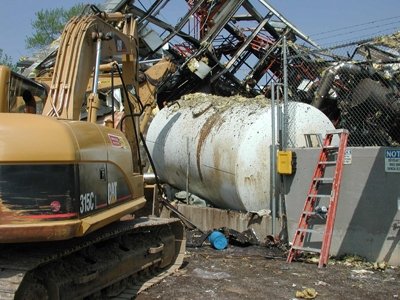
Understanding the Causes of Pressure Vessel Explosions is vital for operational safety. Explosions often stem from overpressure, material failure, poor inspection or non‑compliance with pressure vessel safety standards and compliance. Regular maintenance, adherence to what are the safety standards for pressure vessels, and working with experienced professionals like RedRiver LLC help prevent catastrophic failures.
Causes of Pressure Vessel Explosions
The Causes of Pressure Vessel Explosions begin with fundamental issues in design, operation, inspection and maintenance of pressure vessel equipment. These issues must be addressed to avoid sudden failure.
Why Explosions Happen
Explosions of pressure vessels occur when internal conditions exceed what a vessel was designed to handle. Common root‑causes include:
- Overpressurization beyond design limits due to blocked relief systems.
- Material degradation such as corrosion or fatigue that reduces structural strength.
- Operator error or lack of training that allows unsafe pressure or temperature excursions.
- Failure to follow pressure vessel inspection and maintenance plans leading to undetected defects.
- Lack of compliance with the applicable pressure vessel safety standards and compliance framework.
Overpressurization and Rapid Phase Change
One of the most dramatic triggers in the Causes of Pressure Vessel Explosions is overpressurization. If a vessel is heated, blocked, or contains a liquid that suddenly vaporizes (a boiling liquid expanding vapor explosion, or BLEVE), the internal pressure can spike. Without relief devices or proper venting, the vessel may rupture catastrophically.
Material Failure and Fatigue
Material failure is another major contributor to the Causes of Pressure Vessel Explosions. Over time, vessels are subject to cyclic stresses, corrosion, embrittlement and weld defects, all of which are covered under pressure vessel safety standards and compliance regimes. When the design doesn’t account for fatigue or when what are the safety standards for pressure vessels are ignored, the vessel integrity weakens.
Design and Code Non‑Compliance
When engineers skip or misapply the design rules of the American Society of Mechanical Engineers (ASME) boiler and pressure vessel code, the risk of explosion grows. The code spells out how to design, fabricate and inspect pressure vessels. Failing to meet “what is ASME code for pressure vessel safety” leads to inadequate wall thickness, insufficient welds or improper relief systems.
Inspection and Maintenance Lapses
Another facet of the Causes of Pressure Vessel Explosions is poor implementation of pressure vessel inspection and maintenance protocols. Without regular checks on valves, relief devices and vessel integrity you can miss early warning signs. The question “how often do pressure vessels need to be inspected” becomes critical. A well‑executed pressure vessel inspection and maintenance programme is essential.
Operational Errors and Process Upsets
Even if design and maintenance are solid, operational mistakes can trigger vessel failure. That ties into “how do pressure vessels comply with safety regulations” and covers training, procedures and monitoring. Sudden process changes or operator missteps can cause pressure spikes, reversing flows or thermal shocks.
The Role of Compliance with Safety Standards
Ensuring vessels meet accepted “pressure vessel safety standards and compliance” is fundamental. The ASME BPVC is central to that effort and defines rules for construction and testing. Compliance also means following inspection codes, creating pressure vessel inspection checklists and documenting maintenance. Skipping those steps increases the risk of the Causes of Pressure Vessel Explosions.
What to Include in a Pressure Vessel Inspection Checklist
Building a robust inspection checklist for a pressure vessel helps mitigate the Causes of Pressure Vessel Explosions. Key items to include:
- Verify relief valve functionality and calibration.
- Check vessel shell and welds for corrosion, cracks or fatigue.
- Measure wall thickness and compare to design specs.
- Review pressure/temperature history for any excursions.
- Validate documentation and certifications (e.g., ASME stamp if applicable).
- Ensure protective coatings, insulation or isolation systems are intact.
- Confirm operator training records and inspection schedules.
- Log findings and track corrective actions.
How Often Do Pressure Vessels Need to Be Inspected?
The frequency with which you assess a vessel ties into “how often do pressure vessels need to be inspected”. While specifics depend on design, process and regulation, best practice is to have a baseline inspection upon installation, followed by recurring inspections at defined intervals based on risk, usage and regulatory standards. Regular monitoring ensures that you catch conditions that may lead to the Causes of Pressure Vessel Explosions.
Partnering with Experts for Safety Assurance
When you engage a specialist like RedRiver LLC, you benefit from deep‑domain expertise in design, fabrication and ongoing support for pressure vessels. Ensuring you meet “what are the safety standards for pressure vessels” and follow “how to inspect a pressure vessel” procedures puts you ahead of the risk curve. A trusted partner helps you implement custom checklists, inspection programs and compliance frameworks tailored to your operations.
Causes of Pressure Vessel Explosions
In summary, the Causes of Pressure Vessel Explosions stem from failures in design, material integrity, inspection regimes, operational controls and code compliance. Focusing on pressure vessel inspection and maintenance, building strong internal inspection checklists, aligning with what is ASME code for pressure vessel safety and ensuring regulatory compliance dramatically reduces risk. When you invest in safety, you protect people, assets and reputation.
Ready for Next Step?
Reach out to RedRiver LLC for a comprehensive review of your pressure vessel portfolio. We help you assess how do pressure vessels comply with safety regulations, create inspection schedules and build maintenance plans that align with industry best practices. Let’s ensure your operations remain compliant and protected.
FAQs
What are the common causes of pressure vessel explosions?
The common causes include overpressurization, material fatigue, corrosion, blockage of relief devices, operator error and lack of compliance with pressure vessel safety standards and compliance frameworks.
What is ASME code for pressure vessel safety?
The ASME code, often referred to as the ASME Boiler & Pressure Vessel Code (BPVC), specifies design, fabrication, inspection and testing requirements for pressure vessels. It ensures vessels meet rigorous safety benchmarks before use.
How to inspect a pressure vessel?
Inspection involves checking relief valves, verifying wall thickness, looking for corrosion or cracks, reviewing operational history and ensuring certificates are valid. Using a thorough pressure vessel inspection checklist ensures structured coverage of all critical points.
How often do pressure vessels need to be inspected?
Inspection frequency depends on the process, vessel duty and regulatory context. Typically, vessels are inspected at installation and then at intervals defined by risk level, operating hours, inspection findings and statutory requirements.
What are the safety standards for pressure vessels?
Safety standards include compliance with the ASME BPVC, relevant national regulatory frameworks and internal company policies for design, inspection and maintenance. They are collectively what defines pressure vessel safety standards and compliance.
What is the role of maintenance in preventing vessel explosions?
Maintenance supports ongoing detection and correction of defects, such as fatigue cracks or relief system malfunctions. Without strong pressure vessel inspection and maintenance regimes, you leave critical failures unaddressed and increase the risk of explosions.
How do pressure vessels comply with safety regulations?
Compliance is achieved by following applicable codes during design (e.g., ASME), documenting fabrication with stamps, implementing scheduled inspections and linking to internal safety programmes. Ensuring traceability of certificates and test records is also key in showing how do pressure vessels comply with safety regulations.
Key Takeaways
- Proper design, materials and code adherence dramatically reduce the chance of the Causes of Pressure Vessel Explosions.
- Regular pressure vessel inspection and maintenance backed by good checklists detects early signs of failure before they lead to catastrophe.
- Working with a partner like RedRiver LLC ensures you meet what are the safety standards for pressure vessels and align with what is ASME code for pressure vessel safety.
- Operational controls and training help avoid the human‑error component of vessel failures.
- Compliance frameworks plus proactive inspection schedules form a strong defence against the Causes of Pressure Vessel Explosions.
Related Blog Post
Can Condensate Storage Improve Reliability?
Where Do Condensate Tanks Fit in a Steam System?
Which Nozzles Simplify Maintenance on Pressure Vessels?
How to Vent Condensate Tanks in Steam Systems
How Do Baffle Layouts Affect Stratification in TES Tanks?
No subpillar set for this blog post.
About Author