
What Is EPA? Understanding the Environmental Protection Agency
Why Understanding "What Is EPA" Matters
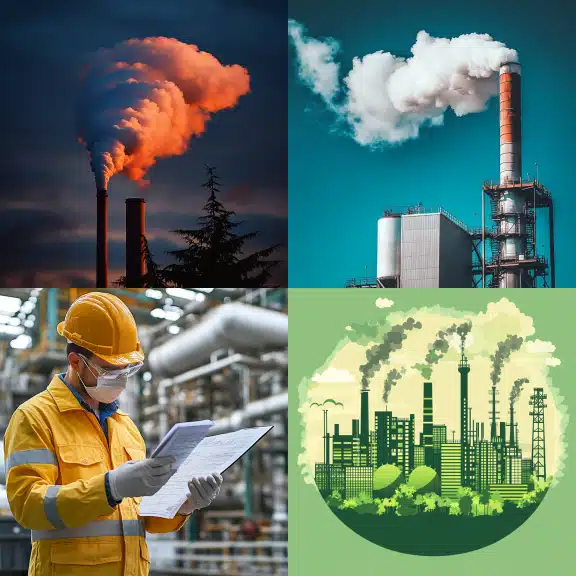
When navigating industrial regulations and environmental standards, one question arises frequently: what is EPA? Understanding the Environmental Protection Agency (EPA) is crucial for manufacturers, business owners, and project managers striving to remain compliant, efficient, and eco-responsible. More than just an acronym, the EPA represents a powerful force that shapes how industries operate across the United States. At Red River, we believe that knowing what is EPA isn’t just about compliance it’s about leadership in sustainable manufacturing.
A Quick Definition of EPA
The EPA stands for the Environmental Protection Agency, a U.S. federal agency founded in 1970. Its mission is to protect human health and the environment by enforcing regulations that control pollution, manage hazardous waste, and ensure clean air and water. Learn more about its origins on Wikipedia.
History of the Environmental Protection Agency
Created in response to public demand for cleaner air and water, the EPA consolidated various environmental responsibilities under one agency. Over the decades, it has enacted landmark laws like the Clean Air Act and the Clean Water Act, establishing a baseline for industrial responsibility and environmental integrity.
What Is EPA’s Role in Industry Compliance?
The EPA plays a pivotal role in shaping how industries from manufacturing to power generation operate safely and sustainably. Manufacturers must meet EPA standards on air emissions, water discharge, and hazardous waste. Compliance not only protects the environment but shields companies from fines and operational shutdowns.
Explore how EPA levels affect industries
Key EPA Regulations You Should Know
Several EPA regulations directly influence industrial operations. Here are some of the most important:
Clean Air Act (CAA): Regulates emissions from stationary and mobile sources.
Clean Water Act (CWA): Governs water pollution and discharge permits.
Resource Conservation and Recovery Act (RCRA): Controls hazardous waste.
Toxic Substances Control Act (TSCA): Regulates chemical safety.
National Environmental Policy Act (NEPA): Requires impact assessments for major projects.
Each of these programs directly influences how Red River approaches pressure vessel manufacturing.
Understanding What Is EPA and Why It’s Crucial
Understanding what is EPA is foundational for any company working in regulated industries. At Red River, we integrate EPA compliance into every stage of our operations not just to meet federal standards but to lead with integrity.
Partner with Us for a Greener, Compliant Future
Want a partner that prioritizes both precision and the planet? Contact Red River today and let’s build a cleaner, compliant future together.
FAQs
1.What is EPA?
The Environmental Protection Agency (EPA) is a U.S. government agency responsible for protecting human health and the environment. It creates and enforces regulations that control pollution, monitors environmental conditions, and provides guidance for industries and communities.
2.When was the EPA established?
The EPA was created in December 1970 after growing concerns about pollution and environmental damage. Events such as rivers catching fire due to industrial waste and rising air pollution levels led to the need for one federal agency dedicated to environmental protection.
3.What industries does the EPA regulate?
The EPA regulates many industries that affect the environment, including:
Manufacturing – chemical use, emissions, and waste disposal
Oil and Gas – drilling, refining, and fuel emissions
Construction – stormwater runoff, asbestos, and site contamination
Agriculture – pesticide and fertilizer use, water pollution
Transportation – vehicle emissions and fuel standards
4.Why is EPA compliance important?
Compliance ensures that businesses:
Reduce environmental harm
Protect public health
Avoid heavy fines and lawsuits
Improve trust with customers, communities, and investors
5.What are common EPA violations?
Frequent violations include:
Exceeding allowed air emissions
Improper disposal of hazardous waste
Water contamination from spills or runoff
Not having the proper permits or licenses
Failure to keep accurate records or reports
Key Takeaways
EPA stands for the Environmental Protection Agency, a key U.S. regulatory body.
Understanding EPA rules is vital for operational success and sustainability.
Compliance prevents fines and enhances public trust.
Red River builds EPA standards into every project.
Learn more about EPA levels and their impact.
Visit EPA.gov to explore official resources.
Related Blog Post
- Is EPA good or bad?
- What are EPA standards?
- What is a good EPA level?
- What does high EPA mean?
- What is EPA contaminants?
- What is the safest water to drink?
- What kind of water is not regulated?
- How much water does a shower use EPA?
- How do I know if my drinking water is safe?
- What are the basic standards for drinking water quality?
- What is the EPA standard for conductivity in drinking water?
Solutions
In the realm of industrial solutions, Red River emerges as a pioneer, offering a diverse range of custom-engineered products and facilities. Among our specialties is the design and production of Custom/OEM Pressure Vessels, meticulously crafted to meet individual client requirements, ensuring performance under various pressure conditions. Our expertise extends to the domain of prefabrication, where Red River leads with distinction.
The company excels in creating prefabricated facilities, modules, and packages, reinforcing its stance as a forerunner in innovation and quality. This proficiency is further mirrored in their Modular Skids offering, where they provide an array of Modular Fabricated Skid Packages and Packaged equipment. Each piece is tailored to client specifications, underlining their commitment to delivering precision and excellence in every project they undertake.


Related Blog Post
How Does Precision Sheet Metal Fabrication Work?
What Is Precision Sheet Metal Fabrication Explained
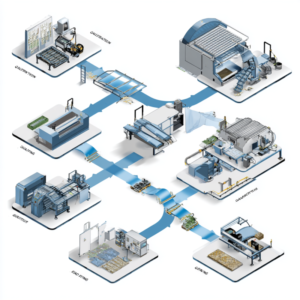
How Does the Sheet Metal Fabrication Process Work
What Is the Sheet Metal Fabrication Process
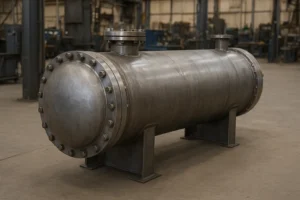
Pressure Vessel Engineering: Safe & Efficient Guide
About Author
