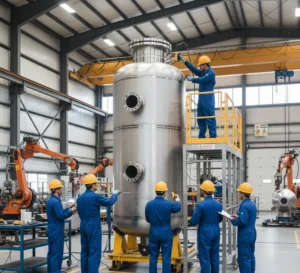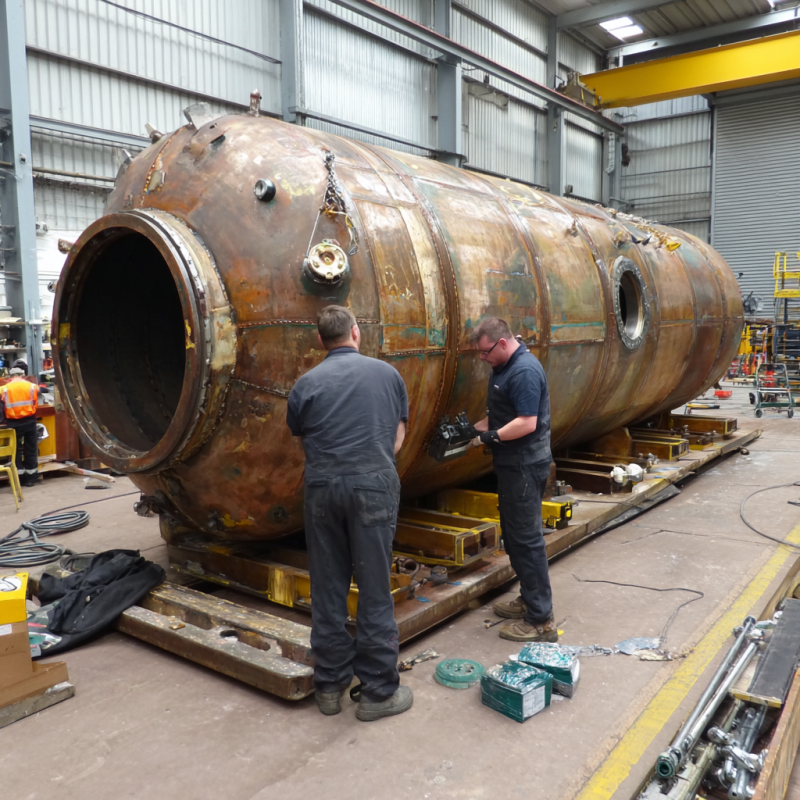
Pressure vessel manufacturing inspection is a code-based safety and quality check (often ASME) that verifies materials, welds, dimensions, pressure-test results, and documentation so the vessel is safe, compliant, and reliable reducing failures, downtime, and risk.
A Complete Guide to What is Pressure Vessel Manufacturing Inspection
If you have ever wondered what is pressure vessel manufacturing inspection is, you are looking at the thorough evaluation process that ensures vessels holding pressurized gases or liquids comply with strict industry standards. During this process, inspectors review everything from material traceability to weld quality. They check that each component meets or exceeds codes such as ASME (American Society of Mechanical Engineers) guidelines. This level of detail helps keep you safe and keeps your facility running efficiently.
Pressure vessel manufacturers like Red River place a strong emphasis on open communication and prompt handling of any issues. Their goal is to blend safety with consistent quality through proven capabilities and engineered solutions. By documenting every aspect of the vessel’s construction (including the smallest weld), they help you avoid unexpected downtime and costly repairs. That means you get a safe, long-lasting pressure vessel you can rely on.
Explore Why Inspection Matters
Inspections matter because they offer peace of mind and real-world assurance. Pressure vessels operate under high or volatile pressures, which makes a compromised component risky to both workers and equipment. An ASME certification is one sign that a vessel has gone through extensive checks. Another danger in skipping inspections is that small flaws often grow into bigger problems. For instance, a missed crack in the weld can become a major leak that halts operations.
At Red River, inspections are built into every step of pressure vessel fabrication. Materials are tested for compliance and durability, aligning with best practices in safety and compliance in pressure vessel design. Each check protects your investment. A single failure can cost millions and create liability risks. Most importantly, inspections safeguard workers, preventing injuries or fatalities and making them both a business and moral necessity.
Examine the Key Inspection Steps
A complete inspection process typically covers the following stages:
- Material verification: You confirm that the metals and components match the required standards. Inspectors validate materials based on guidance from choosing the right material for pressure vessel fabrication and ensure full traceability.
- Nondestructive testing (NDT)
Techniques like radiographic (X-ray) or ultrasonic testing identify internal flaws without damaging the vessel. These inspections complement the broader practices outlined in the comprehensive guide to pressure vessel inspection. - Dimensional checks
Inspectors measure each part against design drawings. Even small deviations can create stress points, which tie directly into understanding failure theories in pressure vessel design. - Pressure testing
Hydrostatic or pneumatic testing applies pressure above normal operating levels, confirming structural integrity. This step is critical for ASME-certified pressure vessels and final approval. - Documentation review
Inspectors verify material certificates, welding records, and inspection reports. Red River’s documentation practices support long-term compliance and align with pressure container inspection requirements and best practices.
If you want to understand how inspection fits into the broader workflow, review Red River’s fabrication process: cutting, folding, and welding.
Quality Control Documentation and Certification
Beyond physical testing, documentation is the backbone of pressure vessel manufacturing inspection. Inspectors compile material certificates, welding procedure specifications, and welder qualifications, many of which are supported by Red River’s expertise in welding as a type of fabrication.
These records become your vessel’s compliance history and support audits, insurance, and future maintenance. Red River’s documentation culture reflects its About Us commitment to transparency, accountability, and American-made quality.
How Prefabrication Streamlines Inspections
Prefabrication can significantly simplify inspections. When vessels or components are built in controlled facilities through prefabrication, inspectors work in stable conditions with consistent oversight.
This approach pairs well with modular skids, where inspection milestones are completed before shipment. Factory-built environments reduce rework, shorten schedules, and align with Red River’s broader metal fabrication expertise.
What is Pressure Vessel Manufacturing Inspection
Understanding what is pressure vessel manufacturing inspection is means recognizing how vital it is for both safety and quality. Each step ensures your vessel meets industry requirements, operates reliably, and enjoys a long service life. Whether you run a chemical plant or a small processing facility, inspections safeguard your operations, your bottom line, and your team’s well-being.
Proper inspection protocols serve as your first line of defense against catastrophic failures, costly downtime, and potential safety hazards. The investment in thorough manufacturing inspection pays dividends through reduced maintenance costs, extended equipment life, and peace of mind knowing your pressure vessels can handle demanding industrial applications safely and efficiently.
Modern inspection techniques continue to evolve, incorporating advanced technologies like digital radiography, automated ultrasonic testing, and real-time monitoring systems. These innovations enhance detection capabilities while streamlining the inspection process, ultimately delivering higher quality vessels in shorter timeframes.
For expert capabilities in pressure vessel manufacturing and inspection, or to learn more about Red River’s comprehensive solutions, feel free to contact our team. You can also request a quote to discuss your specific project requirements. This comprehensive approach ensures every weld, bolt, and seal is ready for daily demands.
Need a Reliable Partner?
Red River specializes in the design and manufacturing of pressure vessels. We also fabricate related items such as prefabricated spools and modular skids.
Reach out to us today and experience the Red River difference. Where American-made products and American Values come together, we care more.
Frequently Asked Questions
1. What is pressure vessel manufacturing inspection?
Pressure vessel manufacturing inspection is the process of verifying that a vessel is designed, fabricated, and tested in compliance with industry codes (such as ASME Section VIII) and customer requirements. It includes checking raw materials, welding quality, heat treatment, dimensional accuracy, non-destructive testing (NDT), hydrostatic testing, and final certification. The goal is to ensure safety, reliability, and regulatory compliance before the vessel enters service.
2. How often should pressure vessels be inspected?
The inspection frequency depends on local regulations, industry standards, and service conditions. In general:
- External inspection: at least once a year to check for leaks, corrosion, or damage.
- Internal inspection: typically every 3–5 years, or more often if the vessel operates under harsh conditions.
- Regulatory standards: for example, OSHA and ASME jurisdictional rules often dictate minimum inspection intervals.
Always follow the specific code of jurisdiction and the vessel’s service history.
3. How do you inspect a pressure vessel?
Inspection involves a combination of visual, mechanical, and non-destructive testing methods:
- Visual examination: checking welds, surfaces, and joints for cracks, pitting, or corrosion.
- Ultrasonic or radiographic testing: to detect internal flaws or thickness loss.
- Hydrostatic or pneumatic testing: verifying vessel strength under pressure.
- Surface methods (dye penetrant, magnetic particle): for detecting surface cracks.
- Documentation review: ensuring compliance with design drawings, material certificates, and test records.
A certified inspector typically performs these tests according to ASME, API, or local standards.
4. Which certifications matter for quality inspection?
ASME stamps and NBBI accreditations confirm the vessel and inspection process meet recognized safety and quality guidelines.
5. Why is material traceability so important?
Traceability allows issues to be traced back to the source material, aiding accountability and preventing future problems.
6. Can I inspect my vessel myself?
Basic visual checks can be done in-house, but certified professionals should handle formal inspections.
7. When should I replace a vessel rather than repair it?
If repair costs exceed value or the vessel no longer meets codes, replacement is the safer choice.
Key Takeaways
- A thorough inspection process checks materials, dimensions, welds, and pressure capacity.
- Prefabrication environments improve efficiency, reduce rework, and streamline on-site checks.
- Documentation and traceability are cornerstones of a reliable inspection.
- Industry certifications (like ASME) confirm that rigorous quality standards are met or exceeded.
- Ongoing inspections and timely repairs help you maintain consistent performance over a vessel’s lifetime.
Related Blog Post
Pressure Vessel Design & Engineering: Concept to Launch
What is Pressure Vessel Design and Engineering: Code-Ready Guide
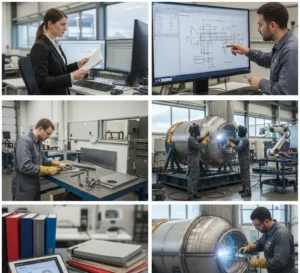
What are the Key Factors in Pressure Vessel Engineering
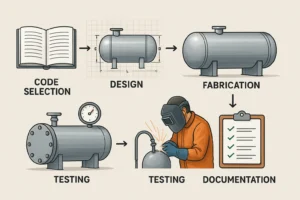
How Do You Design a Pressure Vessel: A Step-By-Step Guide