
Pressure Vessel Welding at Red River LLC
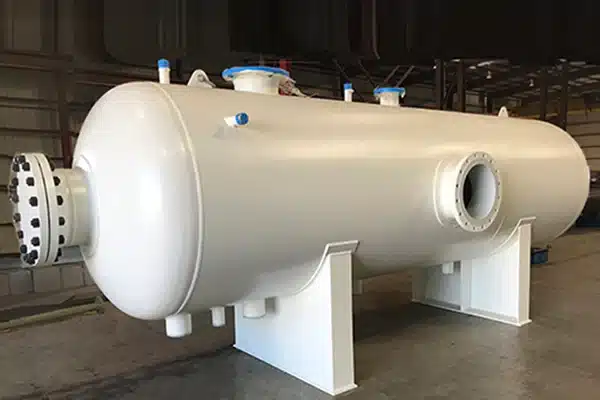
Pressure vessel welding at Red River LLC is a highly skilled craft that blends precision, safety, and advanced techniques to create reliable, high-performance vessels. The welders’ expertise, collaboration, and commitment to quality ensure every project meets rigorous industry standards. Introduction to Expert Pressure Vessel Welding Services At Red River, we recognize that the heart of […]
AI Pressure in Manufacturing The Future of Pressure Vessels

AI pressure is transforming pressure vessel manufacturing by enhancing precision, safety, and efficiency through automation and real-time data analysis. At Red River, these AI-driven innovations set new industry standards while supporting smarter, safer, and more sustainable production. Introduction to AI Pressure in Modern Manufacturing AI pressure is not just a buzzword, it has become a […]
AI Pressure in Manufacturing The Future of Pressure Vessels

[ez-toc] AI pressure is transforming pressure vessel manufacturing by enhancing precision, safety, and efficiency through automation and real-time data analysis. At Red River, these AI-driven innovations set new industry standards while supporting smarter, safer, and more sustainable production. Introduction to AI Pressure in Modern Manufacturing AI pressure is not just a buzzword, it has become […]
What Temperature Does Glycol Breakdown
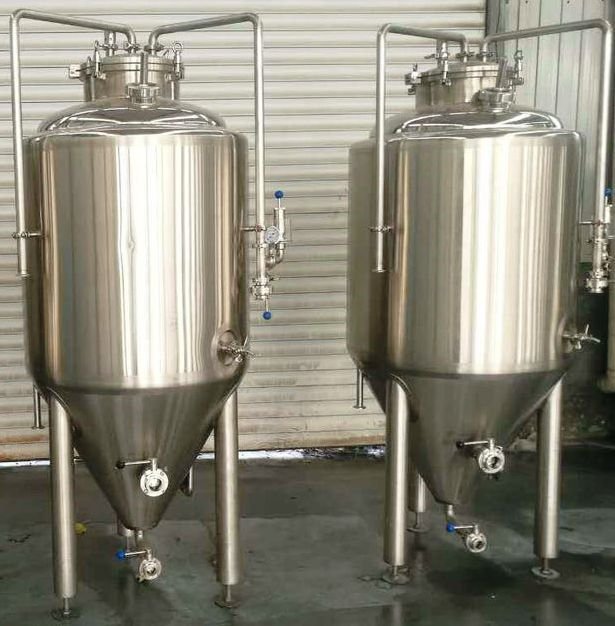
[ez-toc] Glycol begins to break down when exposed to high temperatures, with ethylene glycol degrading around 200°C (392°F) and propylene glycol around 188°C (370°F). Understanding these thresholds helps prevent system damage, maintain efficiency, and avoid costly failures. Understanding Glycol Breakdown Temperature What is Glycol? Glycol, a flexible chemical, plays an important function in numerous industries, […]
Glycol and Its Uses

[ez-toc] Glycol, especially ethylene and propylene types, is crucial in industrial systems for antifreeze, heat transfer, moisture control, and chemical manufacturing. It’s widely used across HVAC, power, and processing sectors. Performance depends on stable pH, temperature, and contamination control. Proper maintenance ensures system efficiency and longevity. What Is Glycol Uses in Industrial Systems? Glycol plays […]
Glycol and Its Uses

Glycol, especially ethylene and propylene types, is crucial in industrial systems for antifreeze, heat transfer, moisture control, and chemical manufacturing. It’s widely used across HVAC, power, and processing sectors. Performance depends on stable pH, temperature, and contamination control. Proper maintenance ensures system efficiency and longevity. What Is Glycol Uses in Industrial Systems? Glycol plays a […]
Glycol Affects Plastic: Compatibility and Degradation

[ez-toc] Glycol can interact with plastics in ways that may weaken or degrade them, depending on the plastic type and chemical resistance. Selecting glycol-compatible plastics and monitoring for signs of degradation is essential to maintain equipment integrity and long-term performance. Understanding Glycol Plastic Compatibility What Is Glycol? Glycol, a versatile compound, is usually used in […]
Propylene Glycol Disposal Safe Methods Environmental Impact and Rules
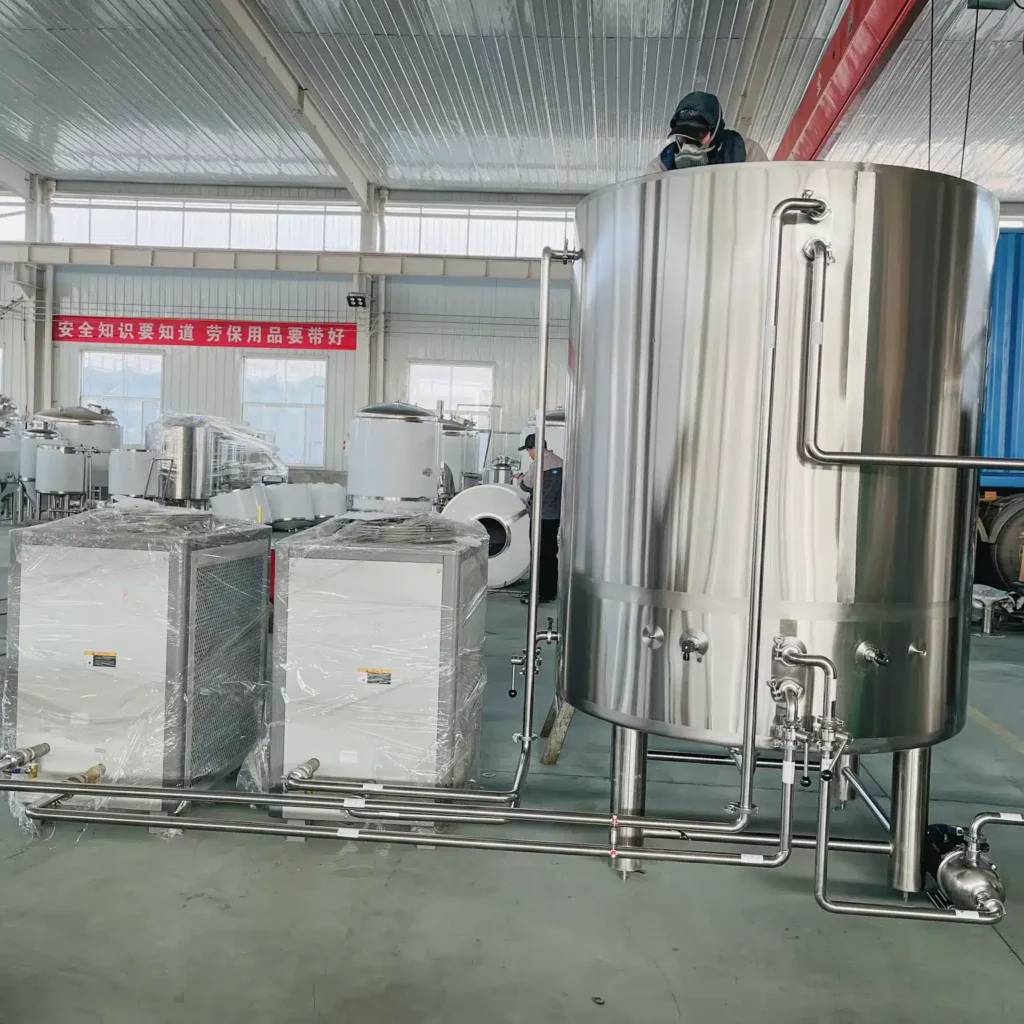
Proper disposal of propylene glycol is essential to prevent environmental contamination, particularly in water systems where it can harm aquatic life. Following federal, state, and local regulations ensures safe, eco-friendly handling while minimizing legal and ecological risks. Understanding Glycol Disposal Practices What is Glycol? Glycol, a flexible chemical, is widely used in diverse industrial applications. […]
Propylene Glycol Disposal Safe Methods Environmental Impact and Rules

[ez-toc] Proper disposal of propylene glycol is essential to prevent environmental contamination, particularly in water systems where it can harm aquatic life. Following federal, state, and local regulations ensures safe, eco-friendly handling while minimizing legal and ecological risks. Understanding Glycol Disposal Practices What is Glycol? Glycol, a flexible chemical, is widely used in diverse industrial […]
What is Glycol? Properties, Uses, and Safety Insights
Glycol is a colorless, odorless liquid from the alcohol family used in antifreeze, cooling systems, food, and cosmetics. The two main types are ethylene glycol (toxic, industrial use) and propylene glycol (safer, used in food/pharma). It’s combustible but not highly flammable, and proper storage and handling are essential. Glycol plays a vital role across industries […]