
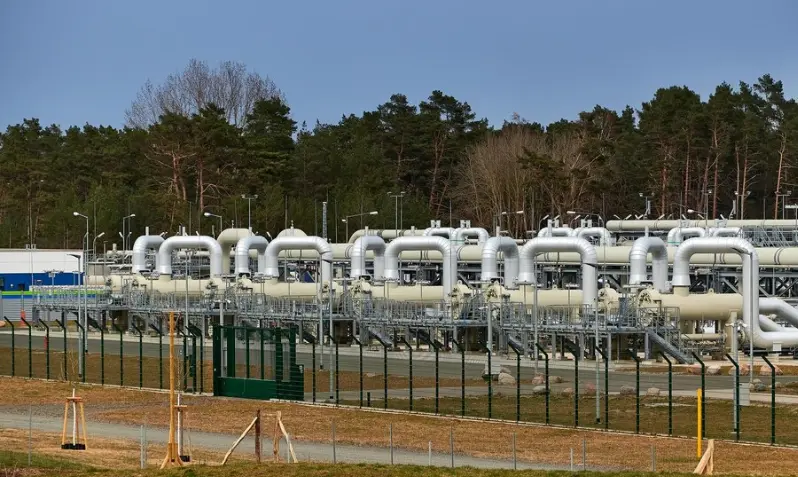
Skid systems for renewables support fast, modular, and scalable clean energy deployment. These prefabricated systems reduce on-site labor, improve quality control, and simplify commissioning for modern renewable plants.
How Skid Systems for Renewables Enable Modular Energy Deployment
Skid systems for renewables are transforming how clean energy facilities are designed, built, and commissioned. By shifting complex fabrication and assembly work off-site, these systems allow renewable projects to move from planning to operation faster and with fewer risks. Skid systems for renewables arrive as fully integrated units with mechanical, electrical, and control components mounted on a structural frame, ready for connection and startup.
In plug-and-play plants, skid systems for renewables minimize construction variability and improve consistency across deployments. This approach supports energy developers seeking predictable timelines, controlled costs, and scalable infrastructure that can be replicated across multiple sites or expanded in phases.
What Skid Systems for Renewables Are and How They Work
Skid systems for renewables function as self-contained process modules. Each skid is engineered to perform a specific function within a renewable energy system, such as fluid circulation, gas conditioning, thermal management, or pressure regulation. These systems are assembled, tested, and validated in a fabrication facility before delivery.
Once installed, skid systems for renewables require minimal field assembly. Utility connections are made, controls are verified, and commissioning proceeds quickly. This reduces site congestion and limits exposure to weather delays or labor shortages.
Core Components Found in Renewable Energy Skid Systems
Skid systems for renewables typically include the following integrated elements:
- Pressure vessels and storage tanks
- Pumps, piping, and manifolds
- Valves and flow control devices
- Instrumentation and sensors
- Electrical panels and PLC controls
- Structural steel skid frames
Each component is selected and arranged to support safe operation, maintainability, and long-term reliability in renewable environments.
Applications of Skid Systems for Renewables
Skid systems for renewables are widely used across multiple clean energy sectors due to their adaptability and modular design.
Hydrogen Production and Processing
In hydrogen facilities, skid systems for renewables support electrolyzers, gas separation, compression, and storage. These skids enable controlled pressure management and precise process integration while allowing hydrogen plants to scale incrementally.
Bioenergy and Biogas Upgrading
Biogas operations rely on skid systems for renewables to manage gas cleanup, dehydration, and compression. Modular skids simplify plant layouts and support faster commissioning of renewable gas infrastructure.
Solar Thermal Energy Systems
Solar thermal plants use skid systems for renewables to circulate heat transfer fluids between collectors, storage tanks, and distribution loops. Prefabricated skids improve system efficiency and reduce installation complexity.
Battery Energy Storage Systems
Skid systems for renewables play a critical role in battery energy storage by supporting cooling loops, fire suppression systems, and auxiliary fluid handling. These skids help maintain thermal stability and extend battery life.
Wind Energy Support Systems
Wind installations use skid systems for renewables for hydraulic power units, lubrication systems, and brake cooling. Modular skids ensure consistent performance across multiple turbines and sites.
Benefits of Skid Systems for Renewables in Plug-and-Play Plants
Skid systems for renewables provide measurable advantages across project execution, operations, and lifecycle management.
Reduced Installation Time
Because skid systems for renewables are preassembled and tested, installation can occur in days instead of weeks. This accelerates project schedules and enables faster revenue generation.
Improved Quality Control
Factory-controlled fabrication allows skid systems for renewables to meet strict quality and safety standards. Testing before shipment reduces commissioning issues and rework.
Lower On-Site Labor Requirements
With fewer trades required on location, skid systems for renewables reduce coordination challenges and improve site safety.
Scalability and Replication
Skid systems for renewables can be replicated across projects or expanded as capacity needs grow. This modularity supports phased investment strategies.
Simplified Maintenance and Upgrades
Standardized layouts and documented assemblies make skid systems for renewables easier to maintain, troubleshoot, and upgrade over time.
Design Considerations for Skid Systems for Renewables
Effective skid systems for renewables require careful engineering to ensure compliance, durability, and performance.
Structural and Mechanical Design
Frames must support transport loads, operational stresses, and environmental exposure. Skid systems for renewables often use corrosion-resistant materials to ensure longevity.
Pressure and Flow Management
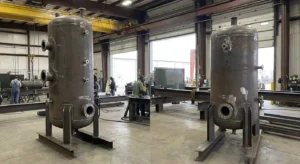
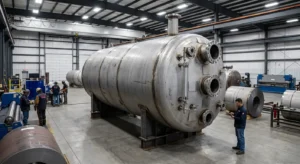
ASME-certified pressure vessels, optimized piping layouts, and automated valves are essential for safe operation in renewable processes.
Controls and Automation
Modern skid systems for renewables integrate PLCs, remote monitoring, and telemetry to support efficient operation and predictive maintenance.
Transport and Site Constraints
Skid dimensions and weight are designed to meet road, rail, or sea transport limits, allowing deployment to remote or constrained sites.
Innovation Trends Shaping Skid Systems for Renewables
As renewable infrastructure evolves, skid systems for renewables continue to advance in capability and intelligence.
Digital Integration
Smart skid systems for renewables use sensors and analytics to track performance and predict maintenance needs.
Hybrid Energy Integration
Skids increasingly combine hydrogen, thermal, and battery systems into unified modules that support flexible energy strategies.
Sustainability-Focused Fabrication
Manufacturers are adopting recycled materials and energy-efficient fabrication processes to align skid systems for renewables with sustainability goals.
Skid Systems for Renewables as Modular Energy Infrastructure
Skid systems for renewables serve as foundational building blocks for modern clean energy plants. Their modular, prefabricated nature supports rapid deployment, consistent quality, and scalable growth. As renewable energy projects demand flexibility and speed, skid systems for renewables provide a practical path forward for developers seeking reliable and repeatable infrastructure solutions.
Need a Reliable Partner?
Red River specializes in the design and manufacturing of pressure vessels. We also fabricate related items such as prefabricated spools and skid packages.
Reach out to us today and experience the Red River difference. Where American-made and American Values come together, we care more.
Frequently Asked Questions
1. What are skid systems for renewables used for?:
Skid systems for renewables are used to integrate pressure vessels, piping, controls, and electrical components into modular units that support clean energy processes such as hydrogen production, bioenergy, and solar thermal operations.
2. How do skid systems for renewables reduce project timelines?:
Skid systems for renewables are assembled and tested off-site, which significantly reduces field labor, limits on-site coordination, and allows faster installation and commissioning.
3. Which renewable sectors rely most on skid systems for renewables?:
Skid systems for renewables are widely used in hydrogen production, biogas upgrading, solar thermal plants, battery energy storage systems, and wind energy support infrastructure.
4. Are skid systems for renewables customizable for specific applications?:
Yes, skid systems for renewables can be engineered for specific pressure ratings, temperature ranges, fluids, control logic, and space constraints to meet unique project requirements.
5. What standards apply to skid systems for renewables?:
Skid systems for renewables must comply with ASME, API, UL, and NFPA standards, depending on the type of vessel, electrical systems, and gas handling requirements, ensuring safety and reliability.
Key Takeaways
- Skid systems for renewables enable fast, modular deployment of clean energy infrastructure
- Prefabricated skids reduce installation time and improve quality control
- These systems support hydrogen, solar, bioenergy, battery, and wind applications
- Modular design allows scalability and phased expansion
- Skid systems for renewables provide reliable, repeatable solutions for modern energy projects
Related Blog Post
Which Materials Suit Make-Up Water Service?
How Big Should Make-Up Water Tanks Be?
Make-Up Water Tanks: Design, Sizing, and Fabrication
When to Spec Equalization Tanks for Industrial Systems
How Do Equalization Tanks Balance Flow?
No related articles found.



